When tensions over Iran flared this spring, oil markets reacted with textbook panic-buying. Brent crude, the global benchmark, jumped from around $71 a barrel in early March to a wartime peak near $124 in April — a rise of more than 70 percent — before falling back, as the fighting and supply fears eased, to about $81 in mid-June, according to U.S. Energy Information Administration data.
That round trip in crude should, in theory, mean relief at the pump. It mostly hasn't arrived.
What drivers are still paying
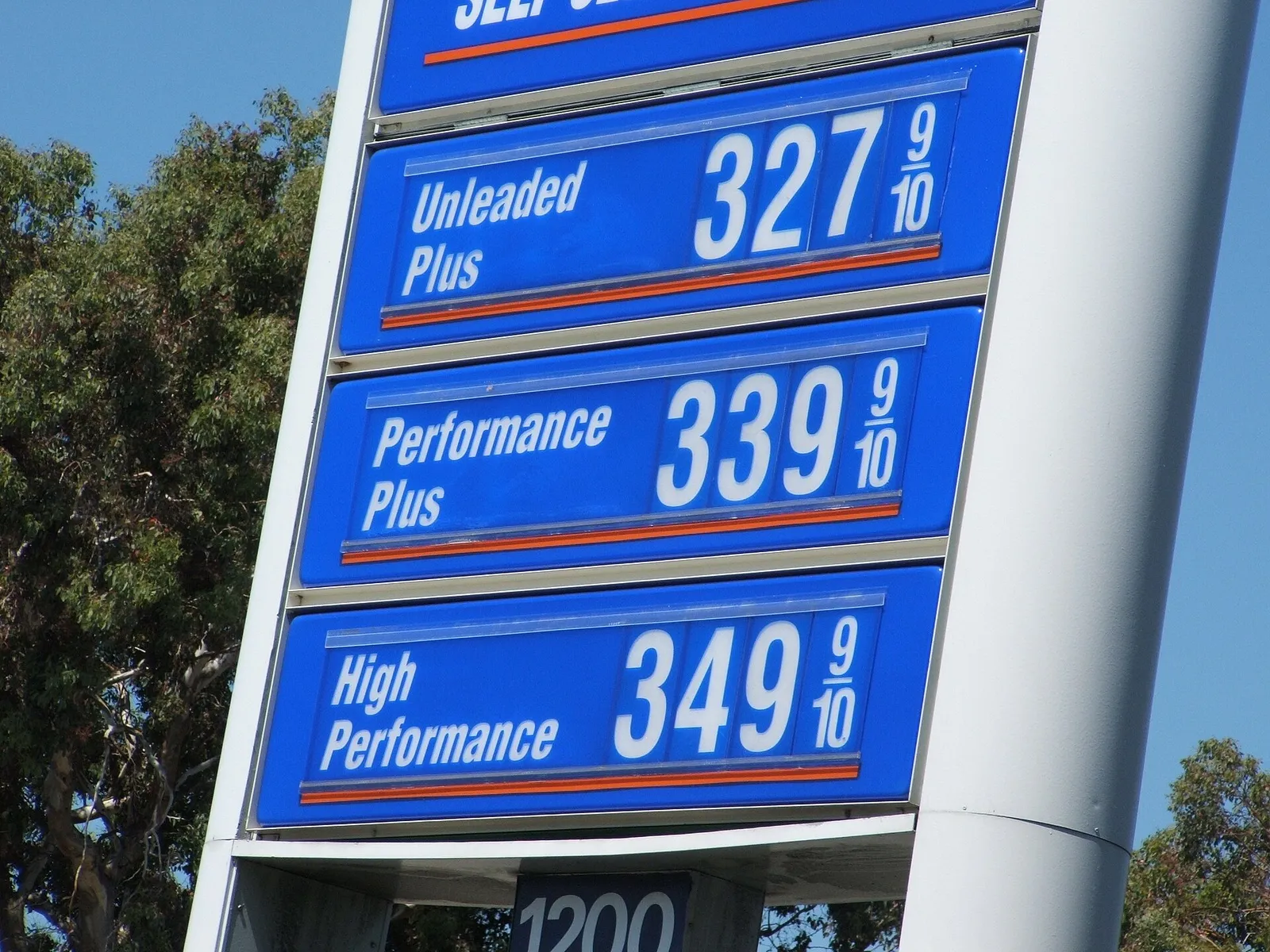
The national average for regular gasoline was about $3.88 a gallon on June 27, according to AAA — down from roughly $4.46 a month earlier, but still well above where it sat a year ago. In California the numbers are far higher: a statewide average around $5.47 for regular, and about the same in the Los Angeles–Long Beach area, where diesel runs close to $6.75, per AAA.
So why hasn't a near-complete reversal in crude shown up at the pump?
'Rockets and feathers'
Economists have a name for the pattern: prices rise like rockets when crude climbs, then drift down like feathers when it falls. Several layers of the fuel supply chain explain the asymmetry.
Refining and retail lag. Crude oil makes up roughly 57 percent of the retail price of gasoline, with refining, distribution and taxes accounting for the rest, according to the EIA. When crude spiked, refiners' costs jumped immediately; with crude now cheaper, they tend to rebuild margins before passing savings along. Station operators, meanwhile, often price off the more expensive fuel they bought days or weeks earlier, so the pump lags the market.
Summer demand. The early-summer driving season is the year's biggest stretch for gasoline demand. With more cars on the road, retailers have less pressure to cut prices quickly.
Why California hurts more
California's pain is amplified by factors that have nothing to do with Iran. The state requires a special cleaner-burning gasoline blend that few out-of-state refineries make, limiting supply. Its fuel taxes are among the nation's highest. And because the state's refinery network is relatively concentrated, even routine maintenance or an unplanned outage can send local prices sharply higher regardless of what crude is doing globally. Independent stations, which are common in California, also tend to have thinner margins and less room to drop prices fast.
What comes next
Analysts note the recent weekly declines suggest the pump is slowly catching up to cheaper crude. If Brent holds in the low $80s and no new shocks hit, the national average could keep easing through the summer. California's path is less certain: with tight refining capacity and unique fuel rules, any supply hiccup could push prices back up quickly. For Angelenos, it is a familiar lesson — what shoots up at the refinery rarely comes down at the pump on the same schedule.