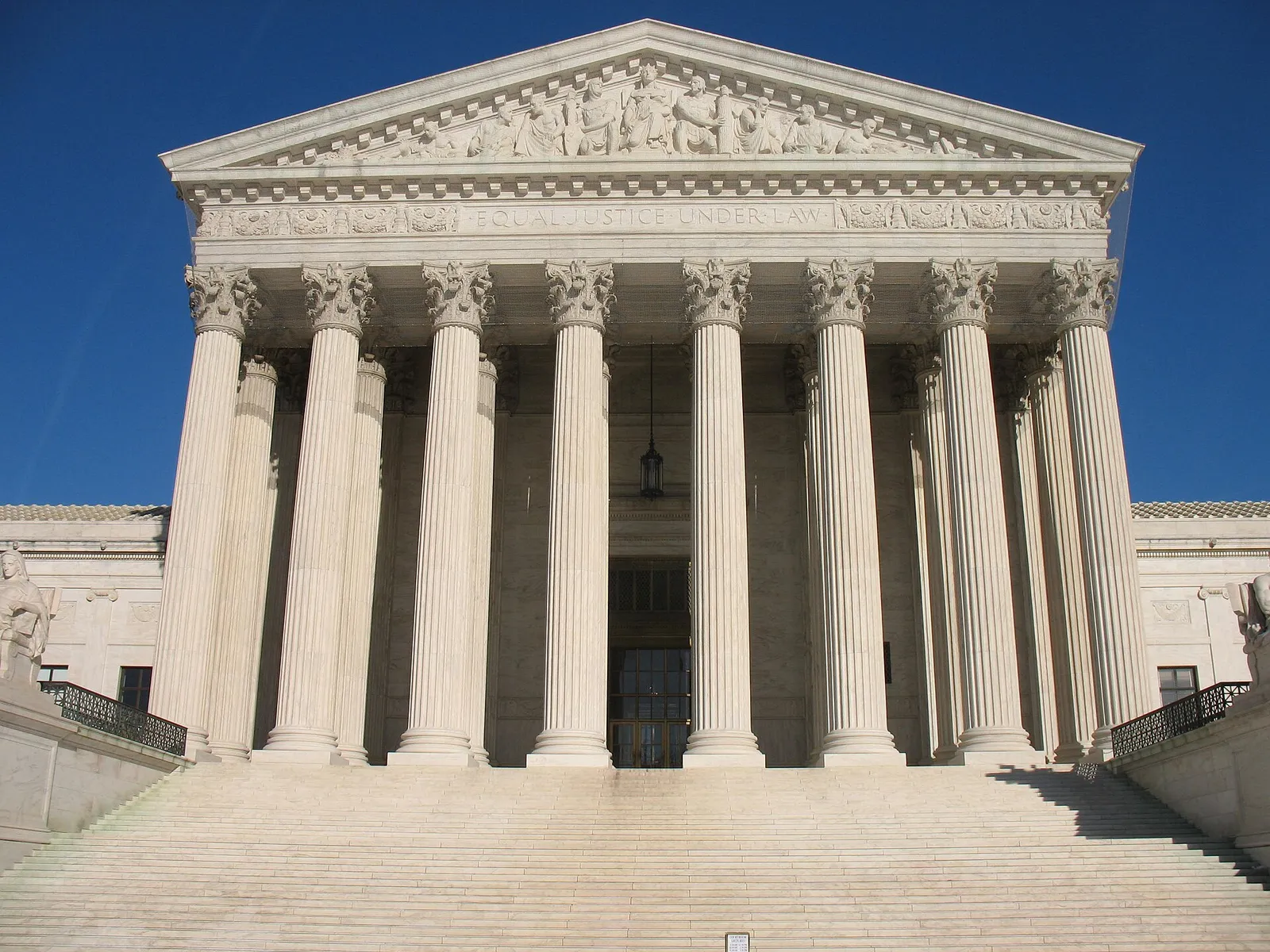
The Supreme Court on Thursday left a journalist facing a stark choice — burn her confidential sources or keep paying an $800-a-day fine — declining to step into a case that press advocates say strikes at the heart of how the news media operates.
What the court did
The justices turned away an emergency request from Catherine Herridge, a veteran investigative reporter formerly with Fox News and CBS News, to pause the fine while she fights a contempt finding, The Associated Press reported. Chief Justice John Roberts had earlier placed a short-term hold on the penalty while the court weighed her appeal; on Thursday, the full court declined to extend that relief. Justice Brett Kavanaugh noted that he would have granted the stay, a sign of some division on the bench.
The action was on an emergency request, not a final ruling on the broader question of whether reporters can be compelled to reveal their sources. But its practical effect is immediate: a lower court's contempt order stands.
The case behind it
The dispute grows out of a lawsuit by Yanping Chen, a Chinese-American scientist who was investigated by the F.B.I. but never charged. Chen sued the government under the Privacy Act, alleging that officials illegally leaked information about the investigation — material that she says fed a series of Herridge's reports, which aired beginning in 2017. To press her claim, Chen has sought to identify who leaked the information.
Herridge refused to name her sources. In 2024, a federal judge held her in civil contempt and imposed the $800-a-day fine, pausing it so she could appeal. Last year, a federal appeals court in Washington unanimously upheld the contempt finding, concluding that neither the First Amendment nor federal common law protected her from having to disclose her sources in the civil case.
Two rights in collision
The case sets two legitimate interests against each other. Chen argues she cannot vindicate her privacy rights or hold the government accountable for the leak without learning who was responsible. Press-freedom groups counter that forcing reporters to give up sources cuts against the media's role as a watchdog, and could deter whistleblowers from ever coming forward.
The Reporters Committee for Freedom of the Press, which said it was joined by about two dozen news organizations in backing Herridge, warned the outcome could have "a significant chilling effect on journalists," arguing that the ability to protect sources is central to the press's function as a check on government, especially on national security. The group also objected that, under the appeals court's approach, a reporter may have to defy a court order and risk contempt before being able to challenge it.
No federal shield
Underlying it all is a gap in U.S. law: unlike a majority of states, the federal government has no shield law giving reporters a clear privilege to protect sources. Advocates have pointed to the case in pressing for the PRESS Act, a bill that would create such a protection in federal proceedings. For now, no such law exists — and unless the fine is paused again or the underlying lawsuit is resolved, Herridge is left weighing her sources against a penalty that grows by the day.