A war-driven boom in drones lifted one of America's best-known unmanned-systems makers to its best day in months.
Shares pop on a beat
AeroVironment (Nasdaq: AVAV) shares jumped about 19% after the company posted stronger-than-expected fiscal fourth-quarter results, CNBC reported. Quarterly revenue came in at about $641.6 million — up roughly 31% from a year earlier and well above analysts' forecasts — with adjusted earnings of $1.84 a share, clearing estimates, according to Investing.com. Adjusted earnings before interest, taxes, depreciation and amortization more than doubled.
A backlog built on demand
What most excited investors was the order pipeline. AeroVironment's contract backlog swelled — CNBC put the headline figure at $1.2 billion — reflecting what analysts called the sharpest acceleration in defense procurement in years. (Some outlets cited a larger total-backlog figure that may include unfunded orders; the precise split is a matter for the company's filings.) The demand spans the company's two arms: its autonomous-systems business and a newer space, cyber and directed-energy unit added through its 2024 acquisition of BlueHalo, which boosted revenue but weighed on margins as it was integrated.
Switchblade and the war factor
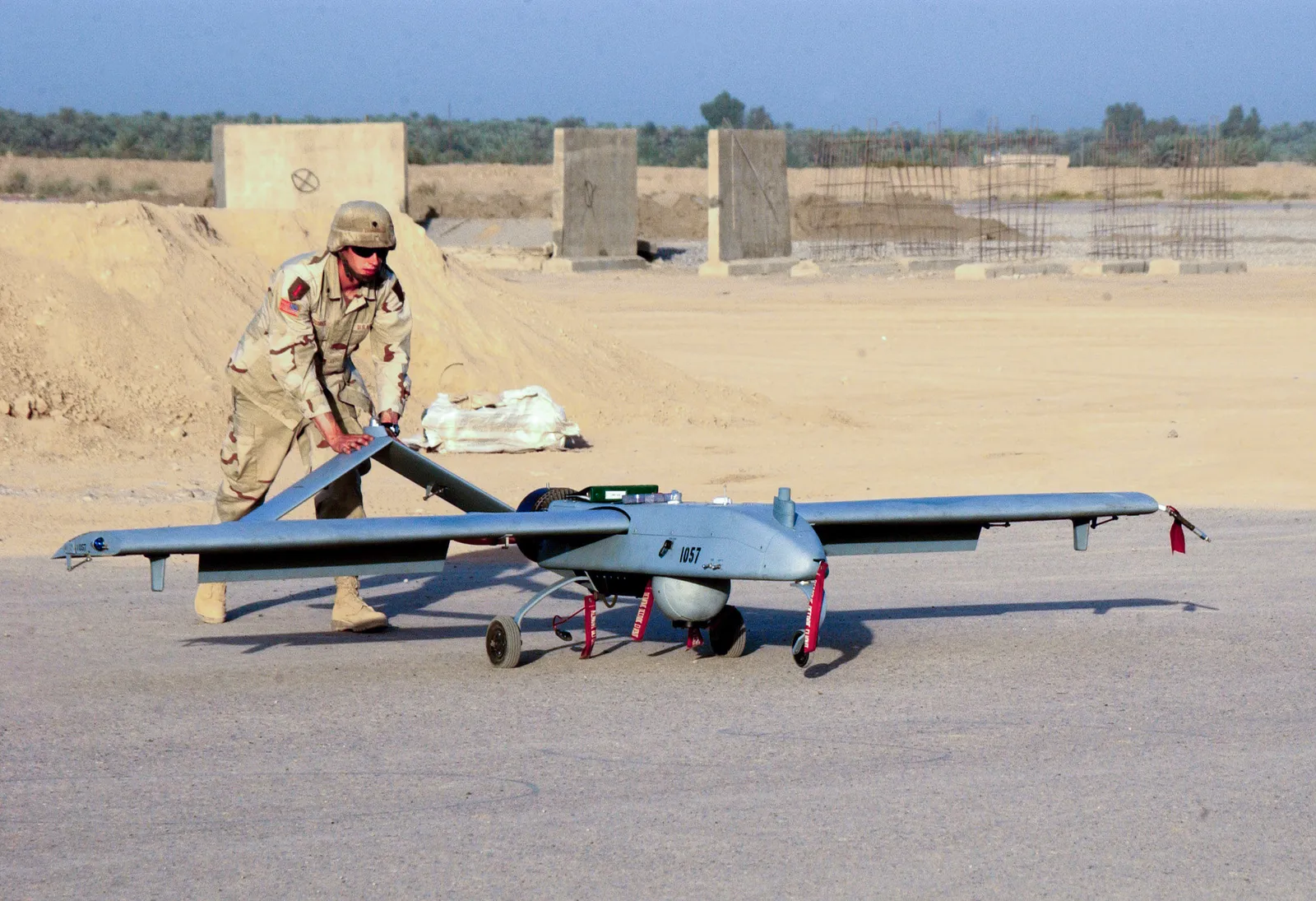
The clearest driver is the Switchblade family of tube-launched "loitering munitions" — small one-way attack drones, including a larger variant able to destroy armored vehicles — which Ukrainian forces have used extensively since 2022. Continued U.S. transfers and a wave of allied orders, as European defense budgets expand, have filled AeroVironment's books. Founded in 1971 by the aviation pioneer Paul MacCready, the company spent decades headquartered in Southern California before relocating its headquarters east, though much of its engineering heritage remains rooted in the region.
Guidance and cautions
Management guided to full-year fiscal 2027 revenue of roughly $2.13 billion to $2.23 billion, with results weighted toward the back half of the year — a pattern that has whipsawed the stock before. The quarter also carried blemishes: an $89 million goodwill write-down tied to a canceled special-operations reconnaissance program, a disclosed weakness in internal financial controls that the company says it is fixing, and an expectation of negative free cash flow as it spends heavily to expand manufacturing. Analysts remain broadly positive — most carry buy ratings — though several trimmed their price targets in recent days even while keeping bullish stances, betting that defense budgets and the Ukraine war will keep demand strong.