The idea of flying from Los Angeles to New York in about three hours is back in the conversation, thanks to a federal proposal that would clear a long-standing legal barrier to supersonic travel over land, KTLA reported. The timeline, though, is far longer than a single flight.
What the FAA is proposing
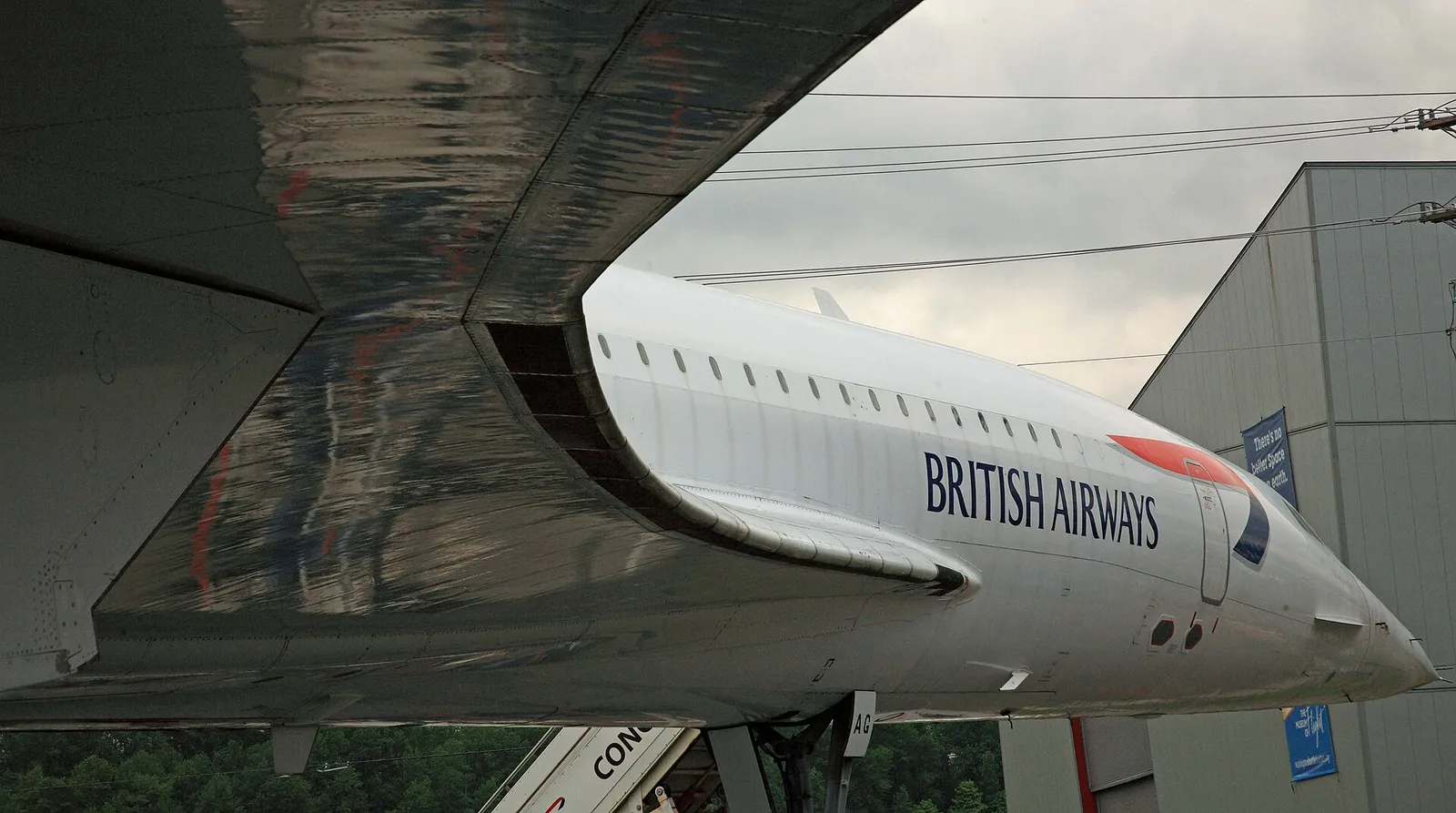
For more than 50 years, civilian aircraft have been barred from flying faster than the speed of sound over the United States, a rule meant to spare people on the ground from sonic booms. The FAA has now proposed replacing that outright ban with a noise-based standard, one that would allow supersonic flight overland as long as the boom does not exceed a set limit at ground level, Aviation Week reported.
The move follows an executive order from the Trump administration directing the agency to revisit the prohibition. The shift in principle is significant: rather than banning speed, regulators would regulate noise, opening a door that has been shut since the Concorde era.
Why L.A. to New York keeps coming up
The Los Angeles-to-New York route is the natural showcase for the idea. It is one of the busiest long-haul corridors in the country, and cutting a five- to six-hour flight to roughly three would be a dramatic change for business travelers and families alike. That "three-hour" figure, though, is an illustration of the potential, not a schedule anyone can book.
The planes aren't ready
The biggest gap between proposal and reality is the aircraft. The supersonic airliners meant to fly these routes are still in development. Boom Supersonic, the company furthest along, is aiming to bring its Overture jet into service around 2030 and has not yet completed the FAA's lengthy certification process, Aviation Week reported. Its smaller demonstrator has flown past the speed of sound in tests, and NASA has been flying an experimental jet designed to produce a quieter boom, but neither is a plane that carries passengers.
A long runway ahead
The proposal itself is only a step. It now enters a public comment period, and the FAA has said final noise standards are still many months off, with separate rules for takeoff and landing noise to follow. Certification of any actual airliner would come after that, and airlines would then have to decide whether the economics of supersonic travel, which sank the Concorde, work any better this time.
For Angelenos dreaming of a lunch meeting in Manhattan and dinner back home, the honest picture is one of patience. The regulatory path is opening, but the fast flights are, for now, still on the drawing board.