


The federal agencies that spent decades bringing discrimination cases are stepping back from that work. At the Trump administration's direction, several of them have paused, narrowed or dropped enforcement efforts, a shift that supporters cast as a return to equal treatment and that opponents describe as a rollback of civil rights.
A government-wide pullback
The changes span multiple agencies. The Equal Employment Opportunity Commission has reoriented its priorities and made optional a longstanding requirement that federal agencies report workforce data by race, sex and ethnicity, Federal News Network reported. The commission has also signaled it will scrutinize diversity-focused hiring as a potential form of discrimination, NPR reported.
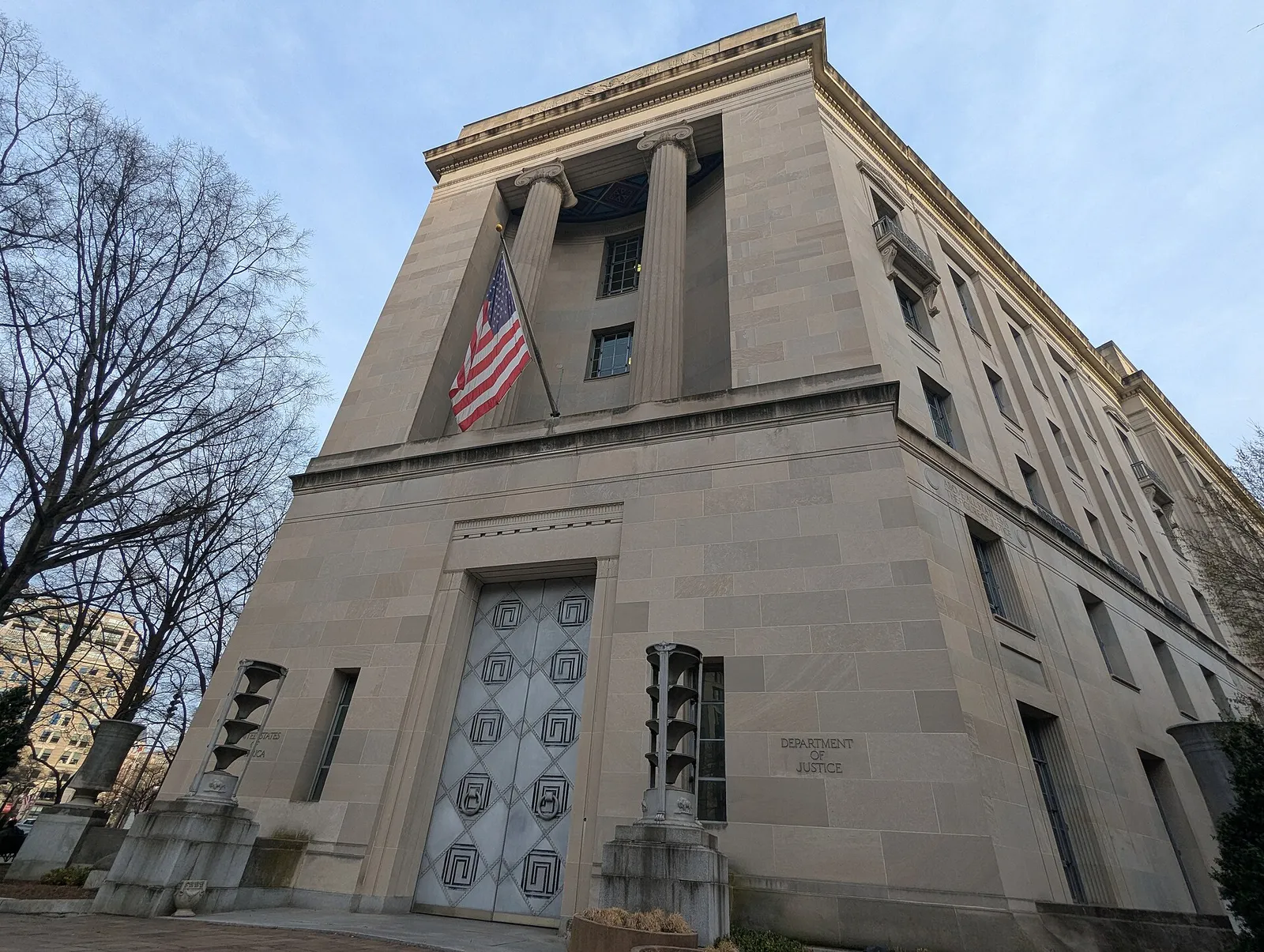
At the Justice Department, the Civil Rights Division has effectively paused new litigation, holding off on fresh complaints and court filings while its ranks have thinned, according to an analysis by the employment law firm Ogletree Deakins. The Education Department's Office for Civil Rights has dismissed a large share of the discrimination complaints on its docket and closed several of its regional offices, the 19th reported.
The legal theory at the center
Much of the change turns on a legal concept known as "disparate impact," which allows discrimination to be shown through the lopsided effects of a policy that is neutral on its face, even without proof of intent to discriminate. The administration has moved to curtail its use, issuing an executive order directing agencies to pull back from disparate-impact enforcement, the White House said.
Supporters of that approach argue that enforcement should rest on evidence that someone intended to discriminate, not on statistics that they say can be explained by factors other than bias.
The administration's case
The White House has framed the effort as ending programs it considers discriminatory toward people who are not members of protected groups, and as restoring what it calls merit-based, equal treatment under the law, according to a White House fact sheet. Officials have said the agencies are refocusing limited resources on the clearest cases of intentional discrimination.
The objections
Civil rights organizations have pushed back hard. The American Civil Liberties Union argues that weakening disparate-impact enforcement threatens decades of progress against bias in employment, housing and education, the group said. The Leadership Conference on Civil and Human Rights has called the effort an attempt to "halt progress" and "enable barriers to equal opportunity," in a statement.
Critics also warn that pulling back federal enforcement shifts the burden onto individuals to bring their own cases, a costly and difficult path, and onto states, whose civil rights laws and resources vary widely.
What happens next
Many of the moves are still unfolding, and some are likely to be tested in court, including the limits on disparate-impact enforcement. The direction, though, is clear: after years in which the federal government expanded its civil rights enforcement, it is now contracting it, and Americans on both sides of the debate see far-reaching consequences in the change.