

Yosemite National Park spent much of the past five summers rationing access with a timed-entry reservation system. This year it isn't, and the results are already visible at the gates.
No reservations, big crowds
The federal government ended Yosemite's vehicle reservation requirement for 2026, reversing the timed-entry approach that had shaped summer trips to the park for most of the last five years, California Today reported. The immediate effect has been a surge of visitors and the congestion that comes with it.
On busy days, Yosemite Valley's parking is effectively full by around 7:30 a.m., and entrance waits have stretched past 90 minutes, with some drivers turned away, according to reporting on the early-summer crowds. AccuWeather described the scene as an early look at what national-park travel is like without the reservation systems that spread visitors out during the pandemic years, in its coverage.
Getting in still takes planning
Dropping reservations does not make the park free or friction-free. Every vehicle still needs a valid entrance pass, and separate permits are still required for wilderness trips and to climb Half Dome. What has changed is that there is no longer a cap on how many cars try to come in on a given day, so the crowding now plays out as traffic rather than as a booking scramble months in advance.
The Park Service is leaning on real-time tools to cope. It urges visitors to come on weekdays, when traffic and parking are markedly better than on weekends, to arrive early or late in the day, and to check conditions the morning of a trip. Travelers can sign up for road and congestion alerts, including a text service, before they set out.
An old tension, back again
The reservation debate has never been only about traffic. Supporters of open access argue that national parks belong to everyone and should not be gated behind a booking system that can favor those with the time and know-how to plan far ahead. Critics counter that unmanaged crowds degrade the very thing visitors come for, eroding trails, straining park resources and turning a wilderness valley into a slow-moving parking lot.
Yosemite sits at the center of that argument for Californians in particular. For families in Los Angeles and the Central Valley, it is close enough for a long weekend and grand enough to be a rite of passage, which is part of why the crowds arrive in the first place.
What to expect this summer
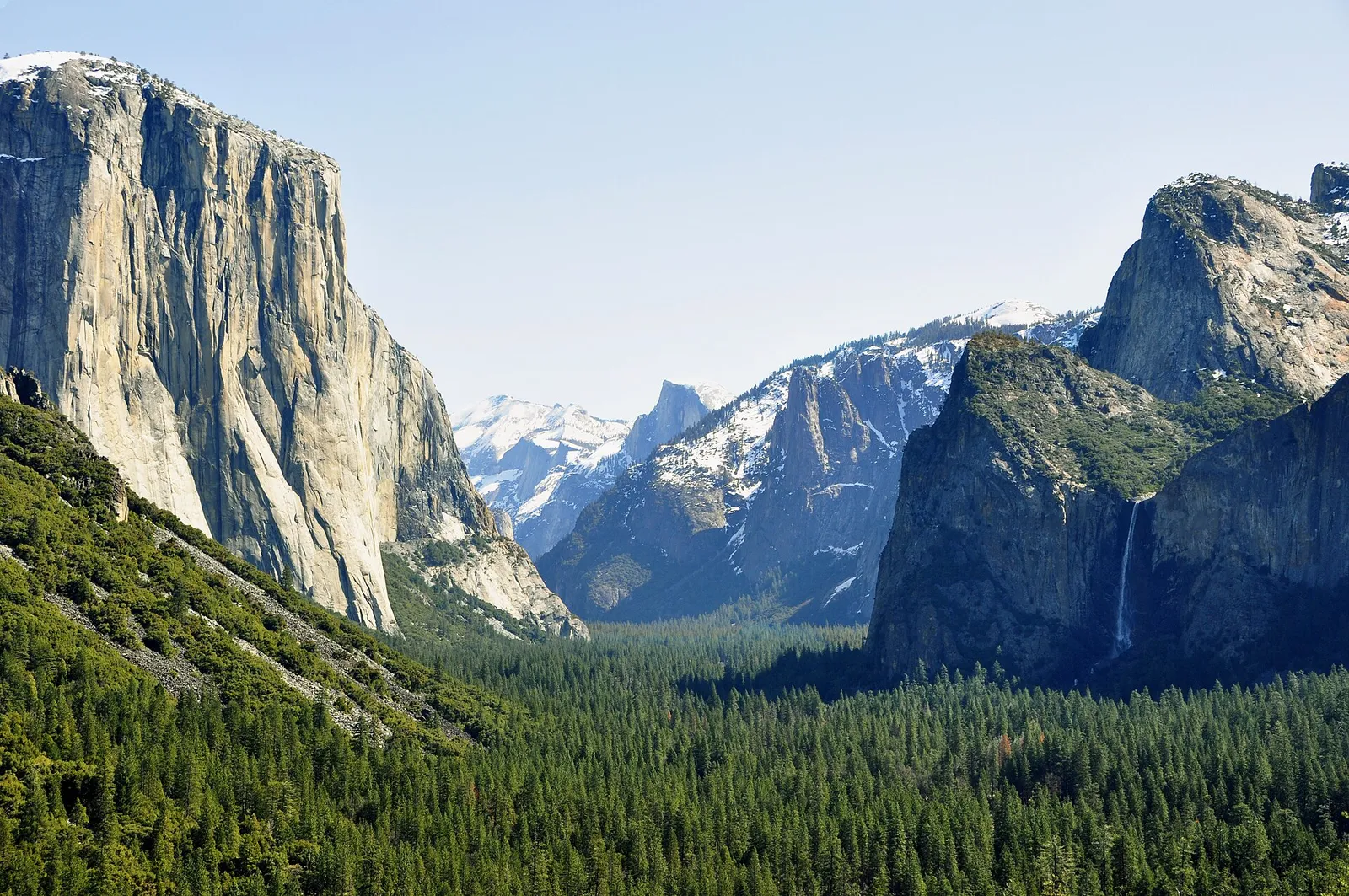
For now, the park is managing the season in real time, nudging visitors toward quieter days and hours rather than turning them away at a reservation wall. Anyone planning a summer trip should expect company, budget extra time at the entrance and consider a weekday visit. The waterfalls and granite walls remain as spectacular as ever. Getting a parking spot beneath them is the harder part.