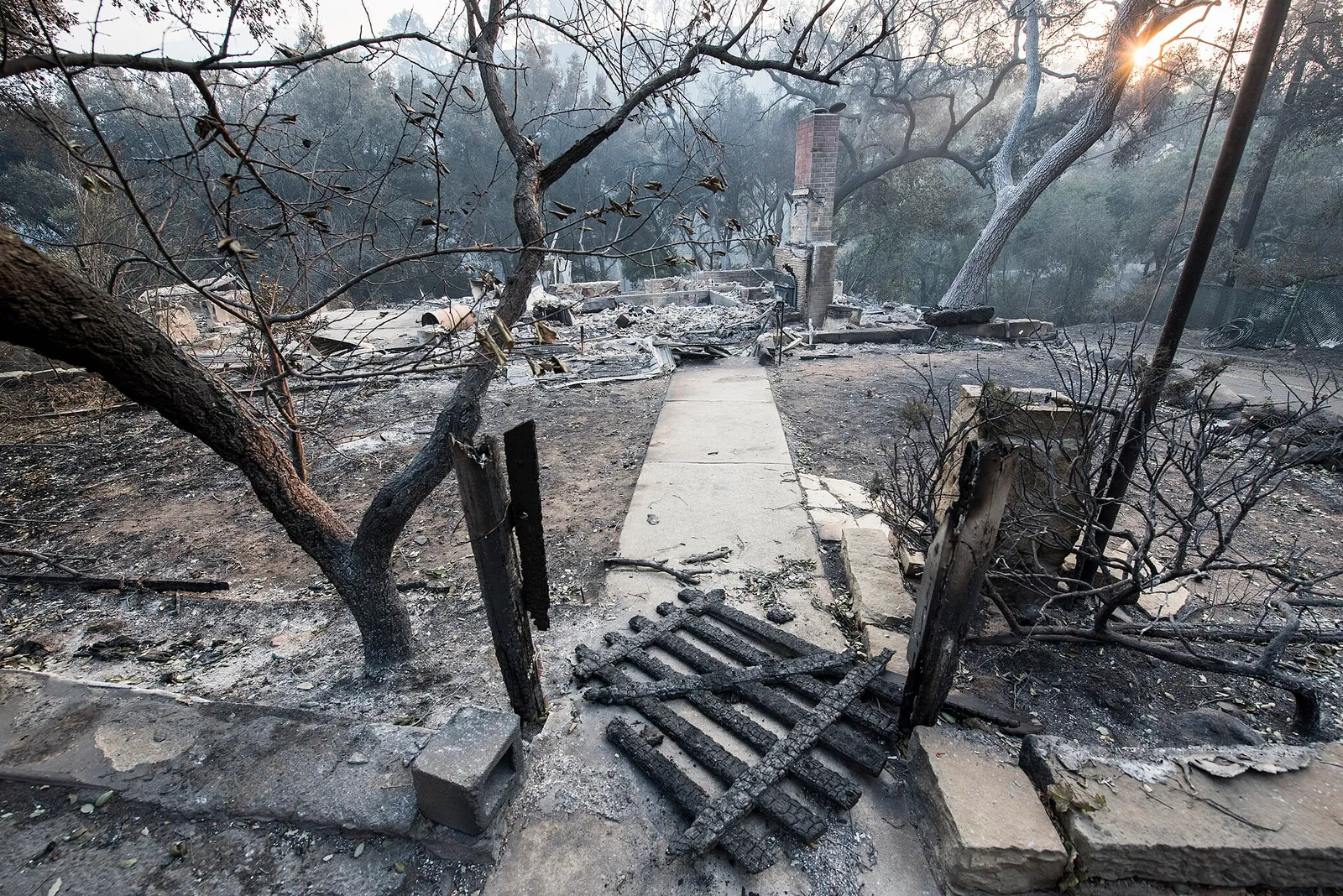
For many towns across the American West, the Fourth of July arrived this year without fireworks. Facing extreme heat, historic drought and fires already burning, local officials decided the tradition was not worth the risk.
Colorado leads the cancellations
Colorado Springs, the state's second-largest city, called off its permitted Independence Day displays, a step officials described as necessary given conditions on the ground. "With extreme fire conditions across our region, one of the most patriotic things we can do this year is protect the city we love and the neighbors we cherish," Mayor Yemi Mobolade said, according to Colorado Public Radio.
Officials said the dryness of the surrounding vegetation was comparable to conditions before the 2012 Waldo Canyon Fire, one of the most destructive in state history. Other Colorado communities, including Woodland Park, Durango and Grand Lake, took similar steps, Colorado Public Radio reported, with several under stricter fire restrictions that also banned the sale of fireworks.
Bans across the West
The caution extended well beyond Colorado. Utah's governor, Spencer Cox, issued an emergency order restricting personal fireworks over the holiday, warning of unusually severe fire behavior, Fox Weather reported. Counties in Nebraska's panhandle barred the sale and use of consumer fireworks, with fines for violations, and officials in other Western states urged residents to hold off.
In California, the National Weather Service posted red flag warnings, which signal critical fire weather, across parts of the interior south, including San Bernardino, Kern, Inyo and Tulare counties, the Spokesman-Review reported. State emergency officials said they had pre-positioned firefighting crews and equipment ahead of the holiday, according to the California Governor's Office of Emergency Services. Los Angeles, San Diego and Long Beach already ban personal fireworks year-round.
Why officials worry
The concern is grounded in a long record of holiday fires. Fireworks spark thousands of blazes each year, and fire departments respond to far more brush and grass fires on July 4 than on an average day, research summarized by The Conversation notes. In dry fuels, a single ember can start a fast-moving fire.
This year the backdrop is especially severe. The first half of 2026 brought more wildfire activity than any comparable stretch in the past decade, with acreage burned running well above the ten-year average, PBS NewsHour reported, and forecasters projected above-normal fire risk across much of the West into early July.
Not every celebration went dark. Many cities kept professionally run shows, which are generally safer than backyard fireworks, and a growing number turned to drone light displays as an alternative. But for a stretch of the West this Independence Day, the safest choice was a quieter sky.