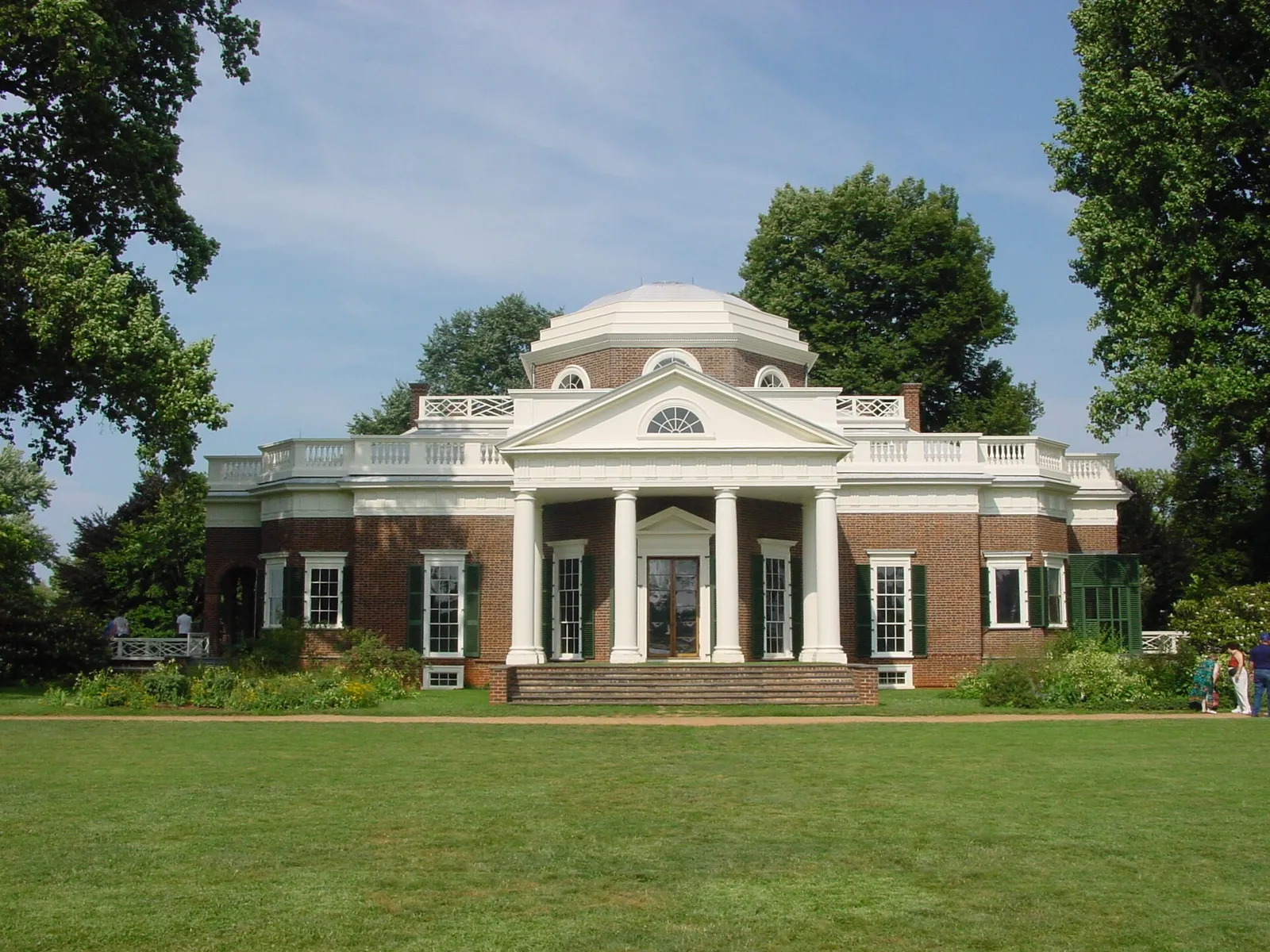
Amid the parades and fireworks of the country's 250th Fourth of July, one of the day's oldest traditions unfolded quietly on a Virginia hillside: a group of immigrants stood, raised their right hands and became Americans.
A ceremony on Jefferson's lawn
At Thomas Jefferson's Monticello, more than 70 people from five continents took the Oath of Allegiance on the morning of July 4, the estate announced. It was the 64th year that Monticello has held a naturalization ceremony on Independence Day, a tradition it says is the longest-running such event held outside a courtroom. Virginia Governor Abigail Spanberger delivered the keynote address, local station 29News reported.
The setting gives the ritual an added resonance. Jefferson drafted the Declaration of Independence, and to recite the oath on his grounds, in the year the nation turns 250, draws a direct line from the founding words to the people choosing to live by them now.
Ceremonies across the country
Monticello's event is one of hundreds the government holds around Independence Day each year, welcoming many thousands of new citizens in a single week. The ceremonies play out in courthouses, ballparks and historic sites nationwide.
In San Antonio, dozens of people from more than a dozen countries were sworn in ahead of the holiday, among them a city firefighter, KSAT reported. In Mississippi, a group took the oath in the days before July 4 as part of the anniversary observances, Mississippi Today reported. The scenes repeated in city after city, each with its own mix of nationalities and its own small crowd of families holding flags.
What the oath means
For those taking it, citizenship is both practical and symbolic. It brings the right to vote and a settled legal status, and it marks a sense of belonging that many describe as the end of a long journey. One new citizen, originally from Ecuador, said she wanted to raise her children "in a country that welcomes everyone, that is fair, safe and free," and called it "a privilege to take this oath," Spectrum News reported.
The July 4 timing is deliberate. Holding the ceremonies on the nation's birthday frames citizenship as a renewal of the founding promise, carried out by people who were not born into it but chose it. In a year built around looking back 250 years, the naturalization ceremonies were a reminder that the country keeps adding to its number, one oath at a time.