One of China's best-known underground church leaders is out of detention and in Southern California. Jin Mingri, also known as Ezra Jin, arrived in Los Angeles on the Fourth of July after being released from custody in China, and has been reunited with his family, the Las Vegas Sun reported.
A prominent church, a sweeping crackdown
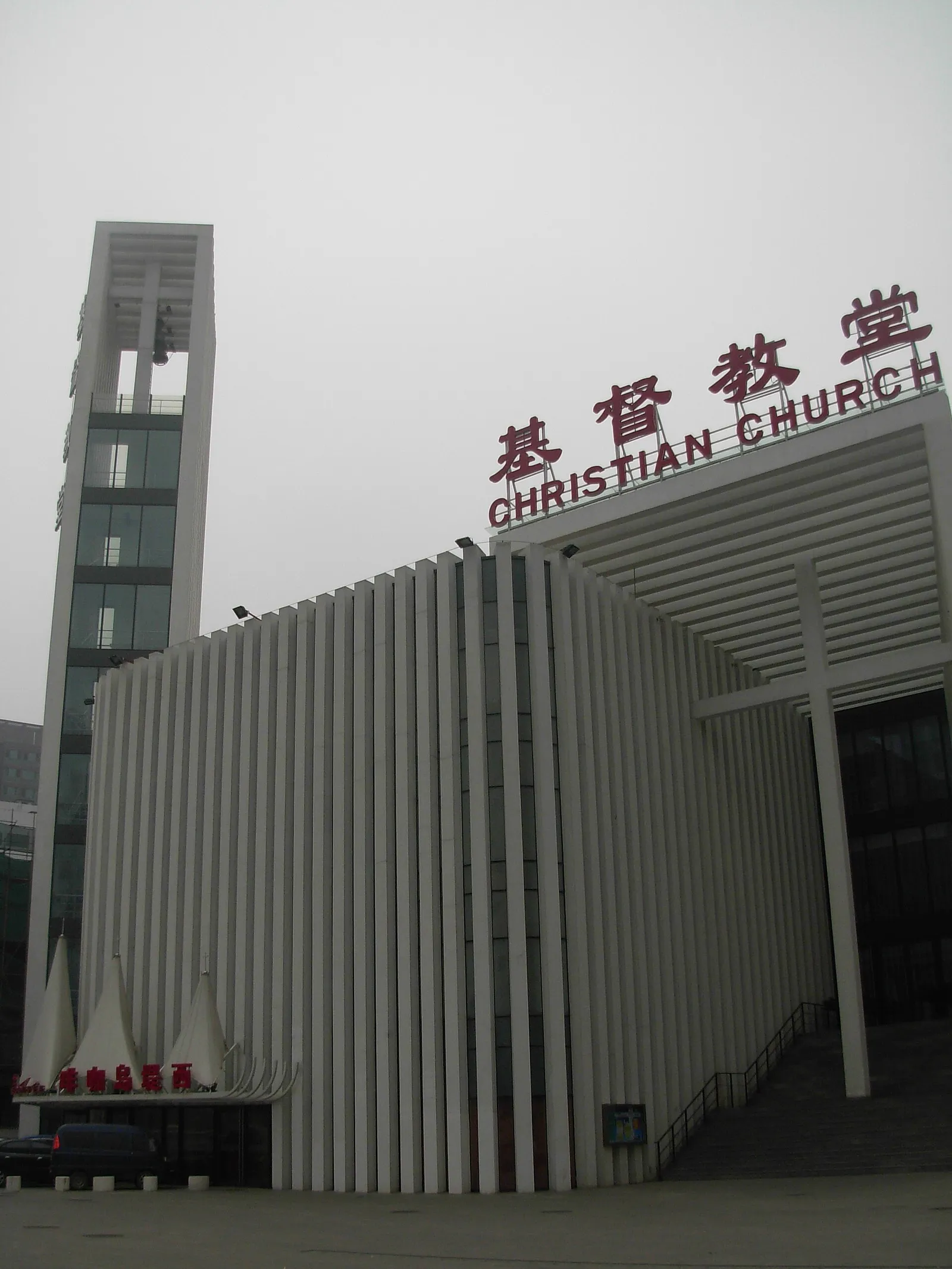
Jin founded Zion Church in Beijing, which grew into one of the country's largest Protestant "house churches," the unregistered congregations that operate outside the government-approved church system. He and more than a dozen other Zion leaders were detained in October 2025 in one of the broadest crackdowns on a single Chinese church in years, Christianity Today reported.
Chinese authorities had already moved against Zion once before, banning the church in 2018 after Jin refused a demand to install surveillance cameras in its meeting space. House-church leaders are frequently charged under broad provisions such as the "illegal use of information networks," which rights groups say are used to prosecute religious activity the state has not sanctioned.
How his release came about
The circumstances of Jin's release were unusual. It came weeks after President Trump publicly called for him to be freed, according to the Las Vegas Sun. The Christian advocacy group ChinaAid, which tracked his case, said Jin was released and taken to the United States, and that Chinese officials told him his freedom stemmed from discussions between Mr. Trump and China's leader, Xi Jinping, presented as a goodwill gesture timed to the American holiday, ChinaAid said in a statement. That account reflects the group's characterization, and the Chinese government has not detailed its reasoning publicly.
Others remain held
For all the relief around Jin's release, advocates were quick to note that it is not the end of the case. At least eight other Zion Church members remain in detention in China, and Freedom House called on Beijing to release them and other religious prisoners, the group said. Zion itself remains banned, with its scattered leadership continuing to shepherd members remotely.
Jin's arrival in Los Angeles adds his name to a long line of Chinese dissidents and faith leaders who have found refuge in the United States, and California in particular. His freedom is a personal reprieve for one family. Whether it signals any broader easing of China's pressure on unregistered churches, or is simply a one-off gesture, is the harder question his supporters are already asking.