

Iran has begun mourning the man who led it for more than three decades — and whose death opened one of the most consequential wars in its history.
How he died
Ayatollah Ali Khamenei, Iran's supreme leader since 1989, was killed on February 28, 2026, in Israeli airstrikes that hit his residence in Tehran, several family members dying alongside him, NPR reported. The strike came on the opening day of the war waged on Iran by Israel and the United States. The conflict has since moved into an uneasy pause; the two sides reached a ceasefire in the spring, and a further understanding was signed in mid-June, though the underlying standoff remains unresolved.
A son as successor
In the weeks after the killing, Iran's Assembly of Experts — the clerical body that chooses the supreme leader — selected Khamenei's son, Ayatollah Mojtaba Khamenei, as the country's new supreme leader, Al Jazeera reported. The younger Khamenei, himself reported to have been wounded in the strikes, was not expected to appear at the ceremonies, according to Iranian sources cited in the reporting.
A weeklong procession
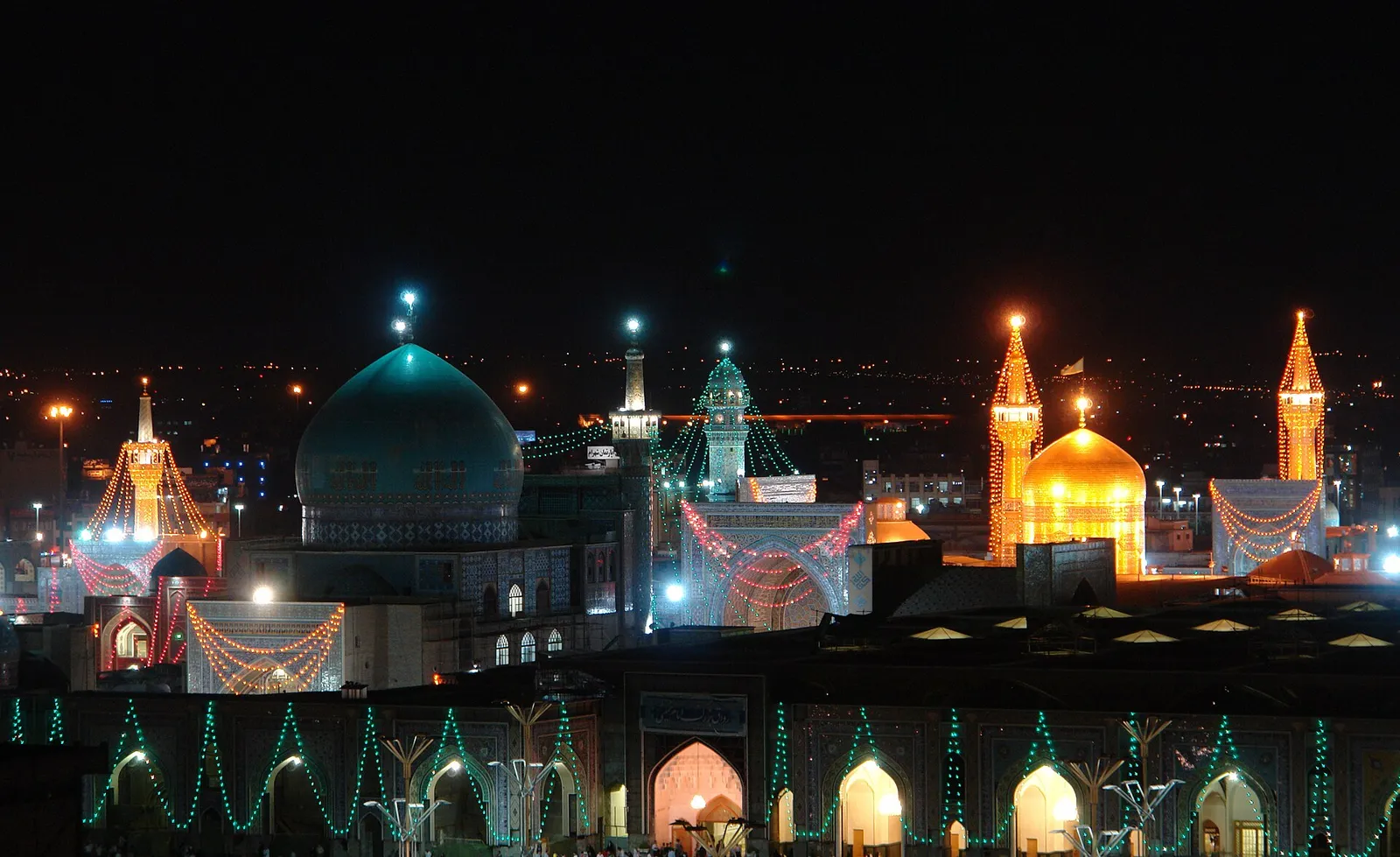
The funeral is being staged as a national event on an enormous scale. It opened in Tehran, where Khamenei's casket lay in state at the Grand Mosalla, and is to move over several days through the Iranian city of Qom and the Iraqi shrine cities of Najaf and Karbala before concluding with burial at the Imam Reza shrine in Mashhad, one of Shia Islam's holiest sites. Iranian officials have said they expect the ceremonies to draw many millions of mourners, which would rank among the largest state funerals the country has held.
Who came, and who didn't
The guest list reflects the geopolitics that the war laid bare. Delegations from more than 100 countries were expected, Euronews reported, among them senior figures from Russia and China and heads of state and officials from across Asia and the Middle East. Iran pointedly did not invite the Western governments it accuses of backing the offensive against it.
Why it matters
Khamenei's death and this funeral mark a genuine turning point for Iran. For 37 years he was the ultimate authority over its government, military and clerical establishment, shaping the country's course through war, sanctions and repeated confrontations with the West. His killing removed the single most powerful figure in the Islamic Republic and handed authority to a successor whose long-term grip is far from tested. What the transition means — for Iran's direction, for the fragile ceasefire, and for a volatile region — is the question hanging over the crowds now filling the streets.