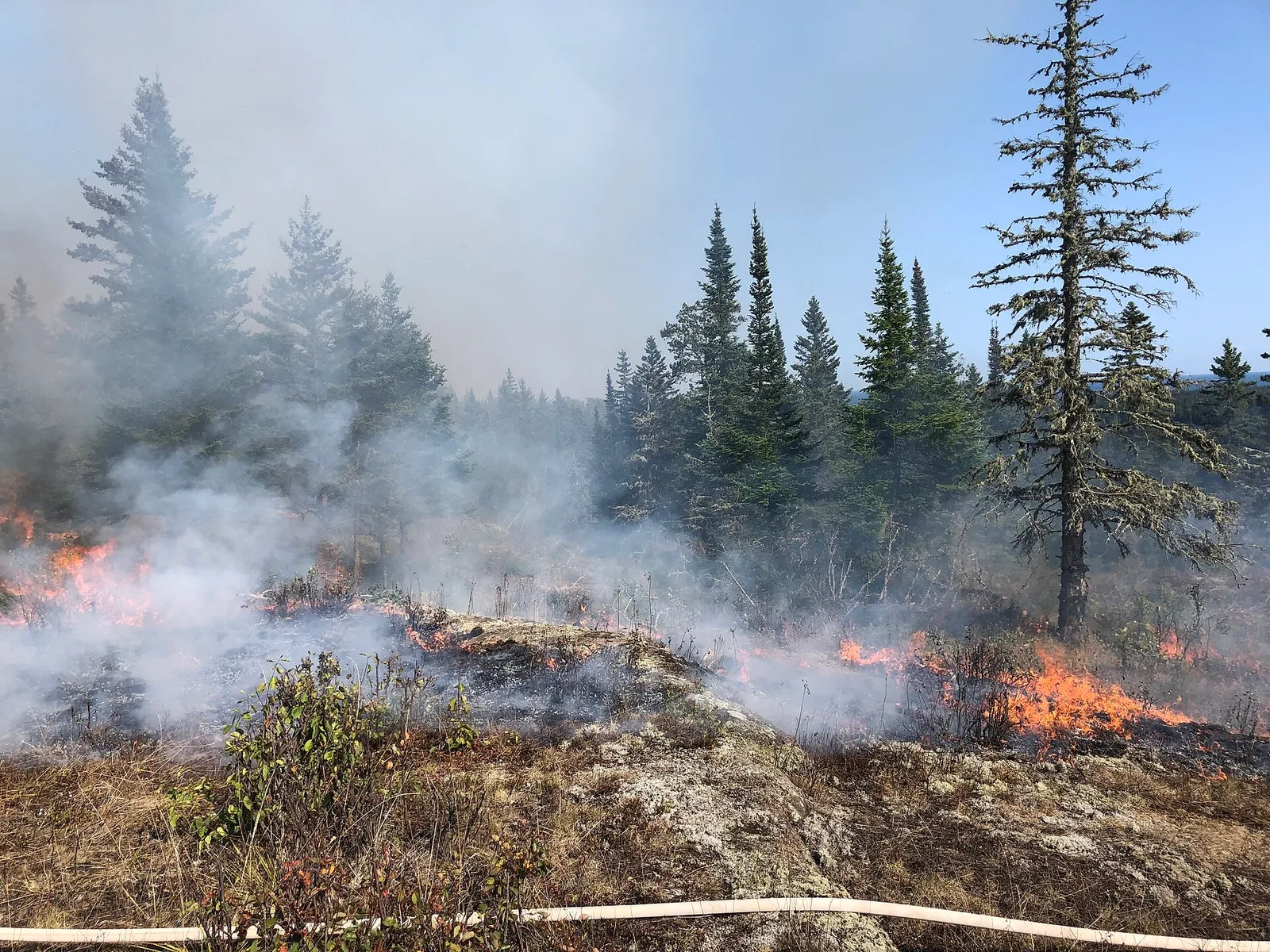
A wildfire burning in the mountains southwest of Pueblo has become one of the largest in Colorado's recorded history, and crews have yet to gain any ground on it.
A fast, uncontained fire
The Aspen Acres Fire had scorched more than 66,000 acres and remained at zero percent containment as of Friday, The Colorado Sun reported — enough to rank it the ninth-largest wildfire in state history. The blaze, which began June 29, has grown quickly in steep terrain near the Pueblo–Custer county line, pushed by heat, low humidity and gusty winds under repeated red-flag warnings. More than 350 firefighters were assigned to it.
Officials have said the fire was human-caused but have not released details as the investigation continues. Figures on a fast-moving fire change by the hour; the numbers here reflect the latest official reporting.
Homes lost, communities emptied
Mandatory evacuation orders have emptied or threatened mountain communities including Beulah, Colorado City and Wetmore. The fire has destroyed more than 180 structures, among them at least 55 homes, according to AccuWeather and Denver7, with damage assessments ongoing. Authorities have opened assistance for evacuees in the Pueblo area as families wait to learn whether their homes survived.
A statewide siege
Aspen Acres is the biggest name in a difficult fire season, but not the only one. Colorado was contending with more than a dozen active wildfires this week, together covering well over 130,000 acres. Among them, the Babylon Fire had grown even larger by area and also stood at zero containment, while crews had made better progress on others, including the Snyder Fire. Fire managers have described the situation as stretching resources thin and, in one case, becoming "a national fight" for crews and equipment.
Why it's burning like this
The conditions driving the fires are familiar across the modern West: a run of hot, dry, windy days layered on longer-term drought and diminished snowpack, which leave forests and grasslands primed to ignite and spread. Scientists have consistently linked the lengthening and intensifying of Western fire seasons to climate change. For Colorado, the immediate forecast offered little relief, with continued heat, low humidity and wind keeping fire danger high — and keeping thousands of residents away from home over a holiday weekend.