

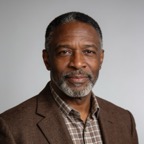
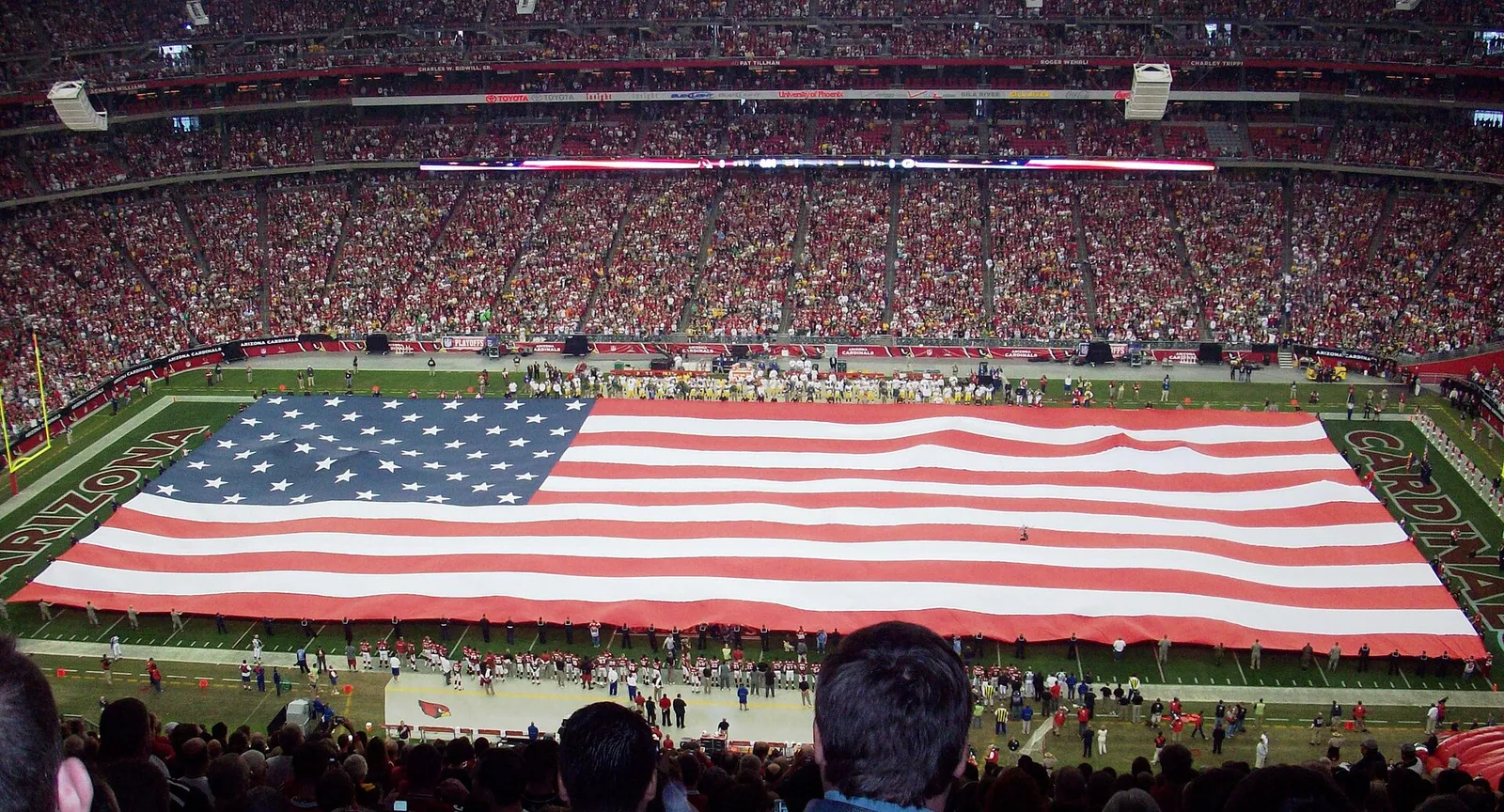
For nearly 40 years David S. Doty sat on the federal bench in Minnesota, but his lasting mark was made on Sundays in autumn. His rulings helped turn NFL players from bound labor into free agents.
A Marine, then a judge
David Singleton Doty was born on June 30, 1929, in Anoka, Minnesota, the Star Tribune reported. He served as a captain in the U.S. Marine Corps in the 1950s, earned his law degree from the University of Minnesota in 1961, and built a legal career in Minneapolis before President Ronald Reagan appointed him to the U.S. District Court in 1987. He would become the longest-serving federal judge in the state's history, taking senior status in 1998 but continuing to hear cases for years afterward. He died on June 27, three days before what would have been his 97th birthday; no cause was disclosed.
The cases that remade football
Judge Doty's name became inseparable from professional football after he was assigned the antitrust fight that followed the players' 1987 strike. In 1992, a jury before him found in the case of Jets running back Freeman McNeil and other players that the NFL's restrictive "Plan B" free agency violated antitrust law, ESPN reported — a verdict that cracked the league's grip on player movement.
The breakthrough came the next year. Overseeing a class action led by the star defensive end Reggie White, Judge Doty presided over the 1993 settlement that produced a new labor agreement, NFL.com reported. That deal delivered the architecture the sport still runs on: true free agency, the franchise tag and the salary cap. White promptly signed with the Green Bay Packers and helped carry them to a Super Bowl — a living demonstration of what the ruling had unlocked.
Three decades as the league's referee
The settlement made Judge Doty the long-running arbiter of disputes between the players' union and the league, a role he held for years. In 2011, he ruled that the NFL had improperly structured its television contracts to build a war chest for a lockout — a decision seen as a win for the players. He also handled high-profile individual cases, siding at times with players in matters involving quarterback Michael Vick and running back Adrian Peterson.
Remembered on and off the bench
Colleagues recalled a jurist as respected for his bearing as for his opinions. Minnesota's chief federal judge, Patrick Schiltz, described him as "a genuinely humble man" who treated people with kindness. For all his influence over a multibillion-dollar league, those who knew him remembered a courtly presence — proof that the person who did the most to shape the modern NFL never wore a whistle or a helmet, but a robe.