


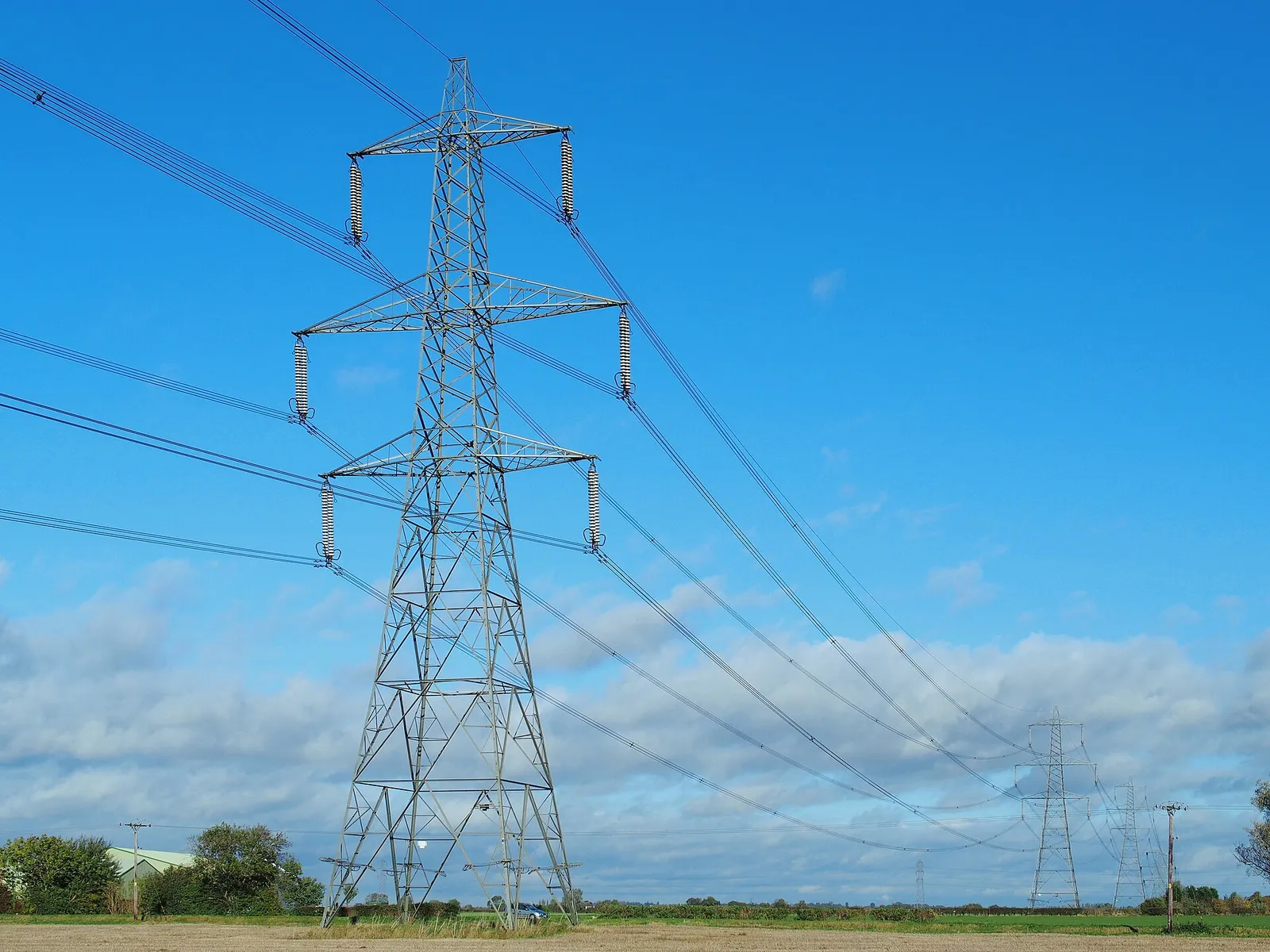
The holiday heat is not just a comfort problem. For the people who run the country's largest power grid, it is an operational emergency.
What PJM did
PJM Interconnection, which manages the electricity system for about 65 million people across 13 states and Washington, D.C., issued a series of hot-weather and maximum-generation alerts this week as soaring temperatures drove air-conditioning demand toward record levels, CNBC reported. The measures call every available power plant into service and put demand-reduction tools on standby. PJM has said peak demand could challenge its all-time summer record of about 165,500 megawatts, set during a 2006 heat wave — a mark the region has not touched in nearly 20 years.
Importantly, these are preventive steps. As of Friday, no outages had been ordered; the alerts are the grid operator's way of marshaling resources before supply gets dangerously tight.
Why now
The trigger is a broad, dangerous heat wave that the National Weather Service warned would bake the Midwest, Ohio Valley and East Coast through the Fourth of July weekend. Extended high heat pushes electricity use to its annual peak, as millions of air conditioners run harder and longer at the same time. PJM has also secured approval to curtail large industrial users — including power-hungry data centers — as a last resort if the system is pushed to the brink.
Not California — but a shared problem
PJM's territory is the eastern and midwestern United States, not California, which sits on a separate Western grid run by other operators. But the strain is a national story. Grids built decades ago are being asked to carry rising loads from the electrification of cars and buildings and, increasingly, from the explosive growth of AI data centers — all while heat waves grow more intense. The result is that once-rare emergency alerts have become a routine feature of summer across multiple regions.
What to watch
For households in PJM's footprint, the practical upshot is modest for now: operators may ask customers to conserve during peak evening hours, and prices in wholesale markets spike sharply when supply is tight. The larger question sits with regulators and utilities: whether investment in new generation, transmission and storage can keep pace with demand that keeps setting records. For this weekend, at least, the grid's message was that it expected to hold — but only by pulling out nearly every tool it has.