Of all the images meant to stir patriotic feeling this month, a film of green scum on a famous pool is not one of them. But the algae that bloomed across the Lincoln Memorial Reflecting Pool this summer is worth a second look.
Not quite a plant
Algae are a sprawling group of organisms that, like plants, make their food through photosynthesis — using sunlight, water and carbon dioxide, and giving off oxygen in the process. That last part matters more than their reputation suggests. Scientists commonly estimate that algae and other ocean phytoplankton produce roughly half of the oxygen generated on Earth each year, as explained by researchers writing in The Conversation. The green stuff clouding a monument is a cousin of the organisms quietly keeping the planet breathable.
The alga most associated with the Reflecting Pool bloom is a common, harmless freshwater type — tiny cells that tint the water green with chlorophyll and feed the small creatures at the base of the food web. It is, in other words, not a contaminant so much as an overgrowth.
The recipe for a bloom
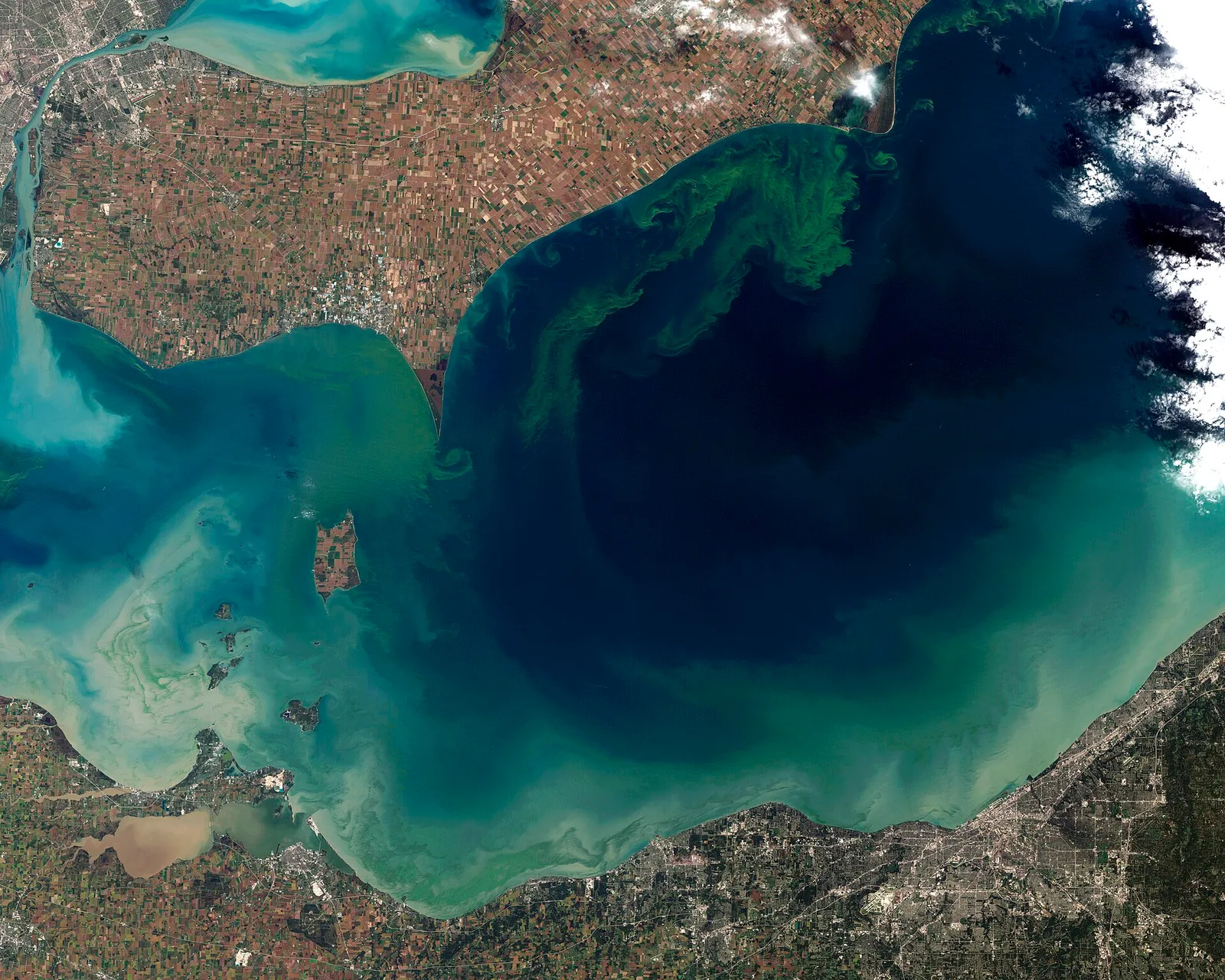
Blooms happen when three ordinary ingredients line up: nutrients, warmth and light. Excess nitrogen and phosphorus — from fertilizer, stormwater and runoff — act as fertilizer for algae. Add warm, still, shallow water and long summer sun, and a population can explode. A shallow, sun-baked ornamental pool in a Washington July is close to a perfect incubator.
Not all blooms are benign. The U.S. Environmental Protection Agency warns that some "blooms" are actually cyanobacteria — often called blue-green algae — which can produce toxins dangerous to people and pets. Telling a harmless green bloom from a harmful one is a job for testing, not eyeballing, which is why officials warn against swimming in or drinking scummy water.
A warning worth reading
The uncomfortable part is that these events are becoming more common. Warmer water favors blooms, and the EPA notes that climate change is expected to make freshwater harmful algal blooms more frequent and severe. A green Reflecting Pool is mostly a maintenance headache; the same conditions in a drinking-water reservoir or a lake full of swimmers are a public-health problem.
So the bloom at the foot of the Lincoln Memorial is a small, apt lesson for the Fourth. The nation's waters are living systems, not decorative backdrops — capable of producing life and oxygen at astonishing scale, and quick to tip out of balance when we overfeed and overheat them. The scum is not the enemy. It is the messenger.