

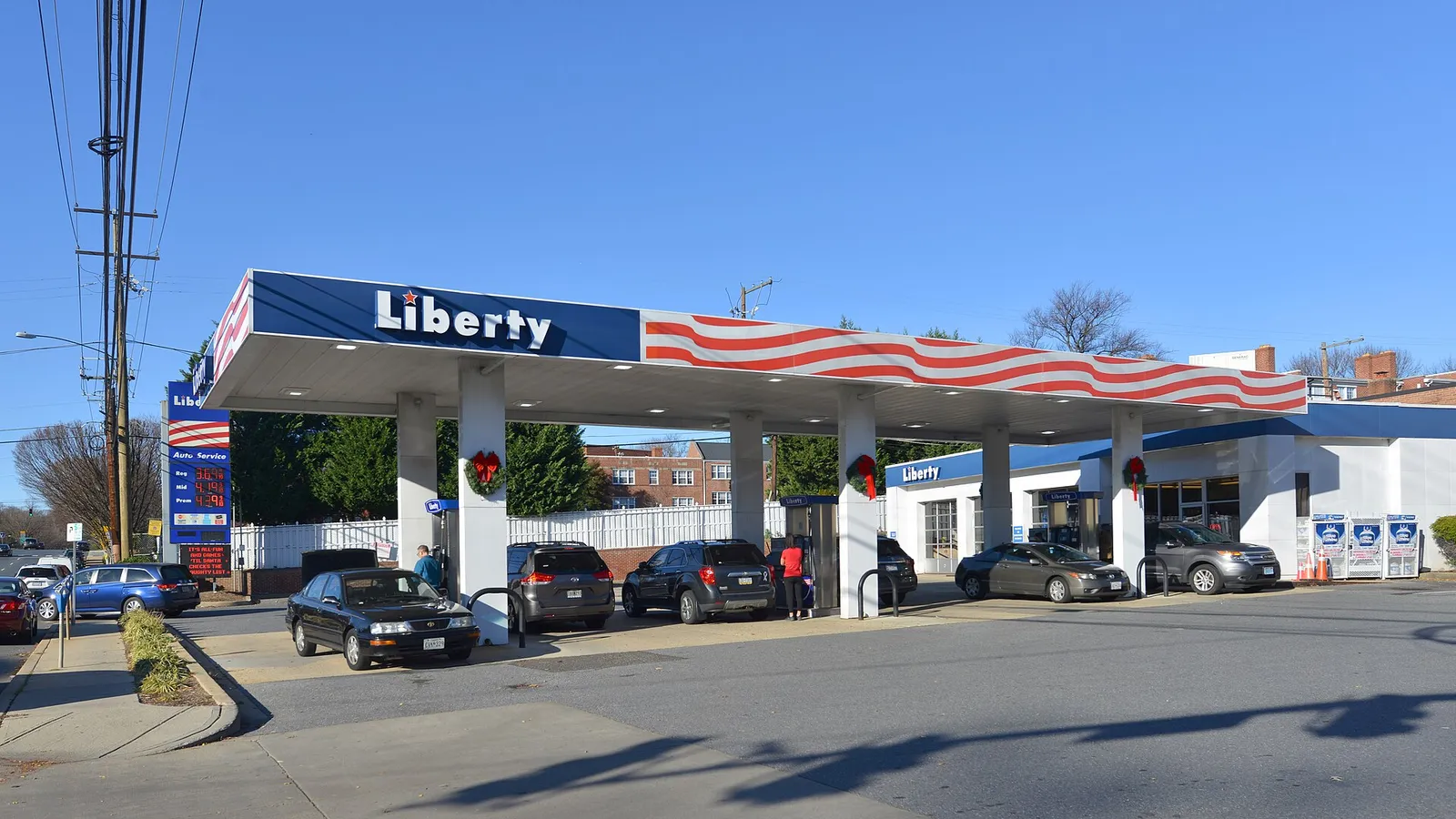
If your Fourth of July plans involve a full tank, you already know the punchline: filling up in California costs far more than almost anywhere else in the country.
The gap
California's average price for a gallon of regular was about $5.40 this week, according to AAA, against a national average of roughly $3.84 — a gap of about a dollar and a half. It is a familiar summer story: California routinely posts the highest gas prices of any state, and holiday driving weekends put the difference in sharp relief.
Why California pays more
The premium is largely built into the system. California levies the nation's highest gasoline taxes and fees, which add well over 60 cents a gallon on their own. The state also mandates a special summer blend of gasoline, formulated to cut smog, that fewer refineries make and that is costlier to produce.
Supply is the other half. California is effectively a "fuel island," with limited pipeline connections to other regions, so when one of its aging in-state refineries goes down for maintenance or trouble, prices can spike quickly because replacement supply has to arrive by ship from far away. Announced refinery closures have deepened worries about how tight that supply could get.
The tool on the shelf
Frustrated by years of price spikes, California built itself new powers to police the fuel market. Lawmakers created a Division of Petroleum Market Oversight to scrutinize the industry and authorized regulators to penalize refiners for excessive profit margins and to require minimum fuel inventories to cushion against shortages.
But the most aggressive of those tools has not been deployed. As CalMatters reported, the state has held off on setting a refinery margin penalty, leaving the headline mechanism of its price-gouging push unused as drivers face another expensive holiday. Regulators and the oil industry disagree sharply on why prices run so high — the state points to opaque refiner margins, while industry groups warn that heavy-handed rules could tighten supply and push prices up further — and that unresolved argument is part of why the penalty remains on the shelf.
The bottom line
For a household planning a holiday road trip, the causes are almost beside the point; the cost is the thing. California's high prices are the product of deliberate policy choices — cleaner fuel, higher taxes — layered on top of a supply system with little slack. The state has given itself the authority to lean on the industry when prices climb. For this Fourth of July, at least, it has chosen not to pull that lever.