California has a new resident it cannot evict. The golden mussel — a thumbnail-sized mollusk from Asia — has spread through the plumbing of the nation's most elaborate water system, and the state has begun to admit it may be here to stay.
A first for North America
Golden mussels (Limnoperna fortunei) were detected near the Port of Stockton in the Delta in October 2024, the California Department of Fish and Wildlife said — the first known appearance of the species anywhere in North America. Within weeks they had reached the O'Neill Forebay and the California Aqueduct, and they have since traveled south through the water network toward Southern California.
Why they're so hard to fight
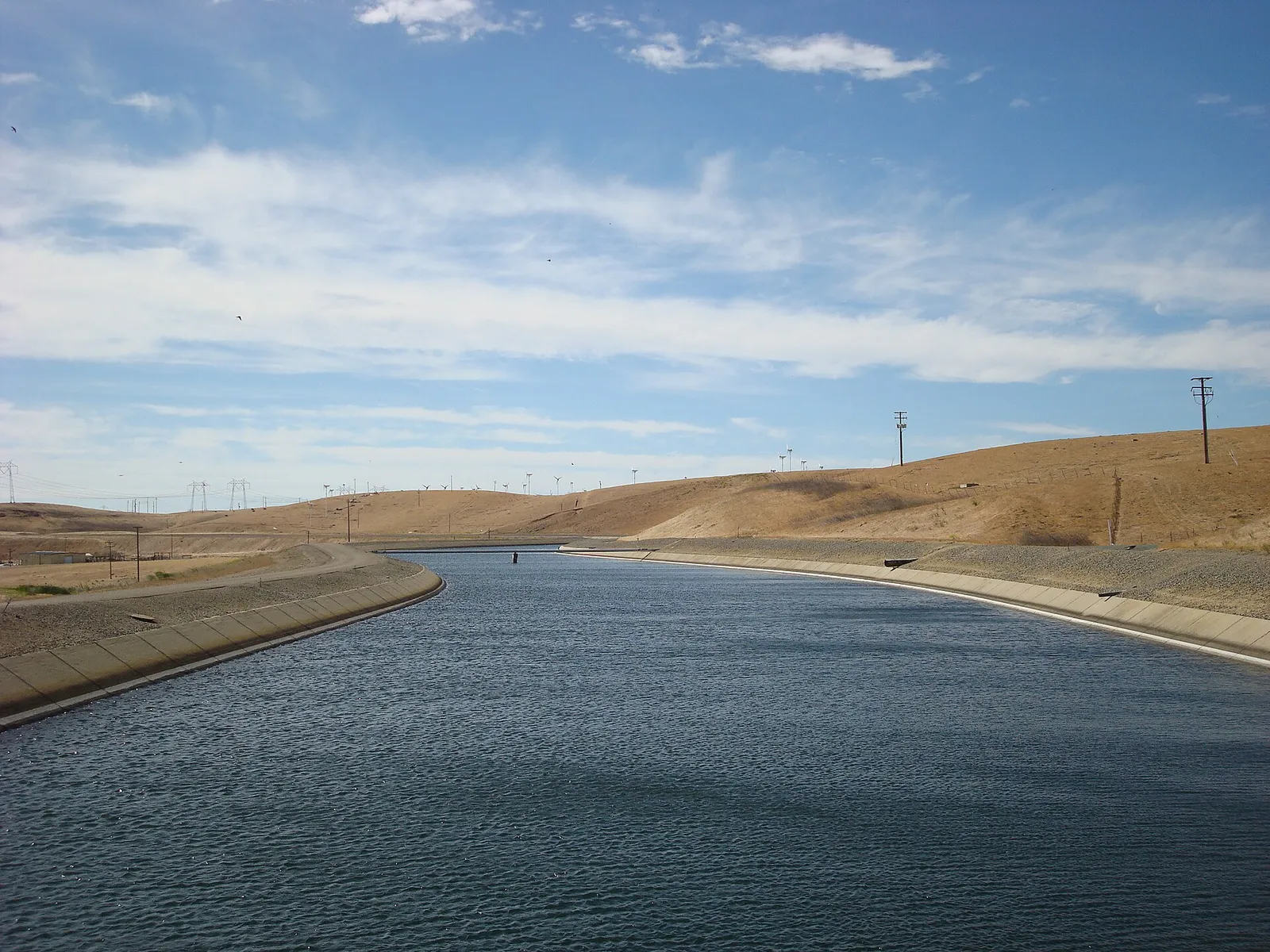
What makes golden mussels especially menacing is how prolifically they breed and how easily they spread. They reproduce year-round, tolerate a wide range of conditions, and a single female can release enormous numbers of microscopic larvae. Those larvae ride the current — and California's vast, interconnected system of pumps, canals and aqueducts effectively delivers them from the Delta to reservoirs and irrigation districts across the state.
The mussels encrust nearly any hard surface, clogging pipes, screens and pumps, fouling boats and hydropower equipment, and disrupting ecosystems by filtering out the plankton that fish rely on. San Joaquin and Kern Counties have declared local emergencies over the invasion.
From eradication to containment
State and academic experts now say full eradication is almost certainly out of reach. "They were in many, many more places than we expected," Ted Grosholz, a UC Davis invasive-species specialist, said of early surveys, and researchers suspect the mussels had been in the Delta for a year or more before anyone noticed. Manual removal from large water bodies is impractical, and chemical treatments carry their own problems.
So the strategy has shifted toward containment: keeping the mussels out of the reservoirs they have not yet reached through boat inspections and "clean, drain and dry" rules for anyone moving watercraft between lakes. Even that resolve has wavered. As CalMatters reported, the Department of Water Resources this spring ended a costly inspection-and-decontamination program at Lake Oroville, one of the state's largest reservoirs, citing a lower assessed risk in its cooler waters — a decision invasive-species experts warned could open a new pathway for the mussels to spread.
What's at stake
California has stood up a multi-agency response and floated funding to fight the invasion, and members of its congressional delegation have proposed dedicated money for control efforts. But the underlying reality is sobering for a state that runs on moved water: an organism that clogs the very infrastructure delivering that water is now loose inside the system, and the honest official assessment has quietly changed from stopping it to living with it. The task ahead, agencies say, is to slow the spread, protect what can still be protected, and brace for the long-term cost.