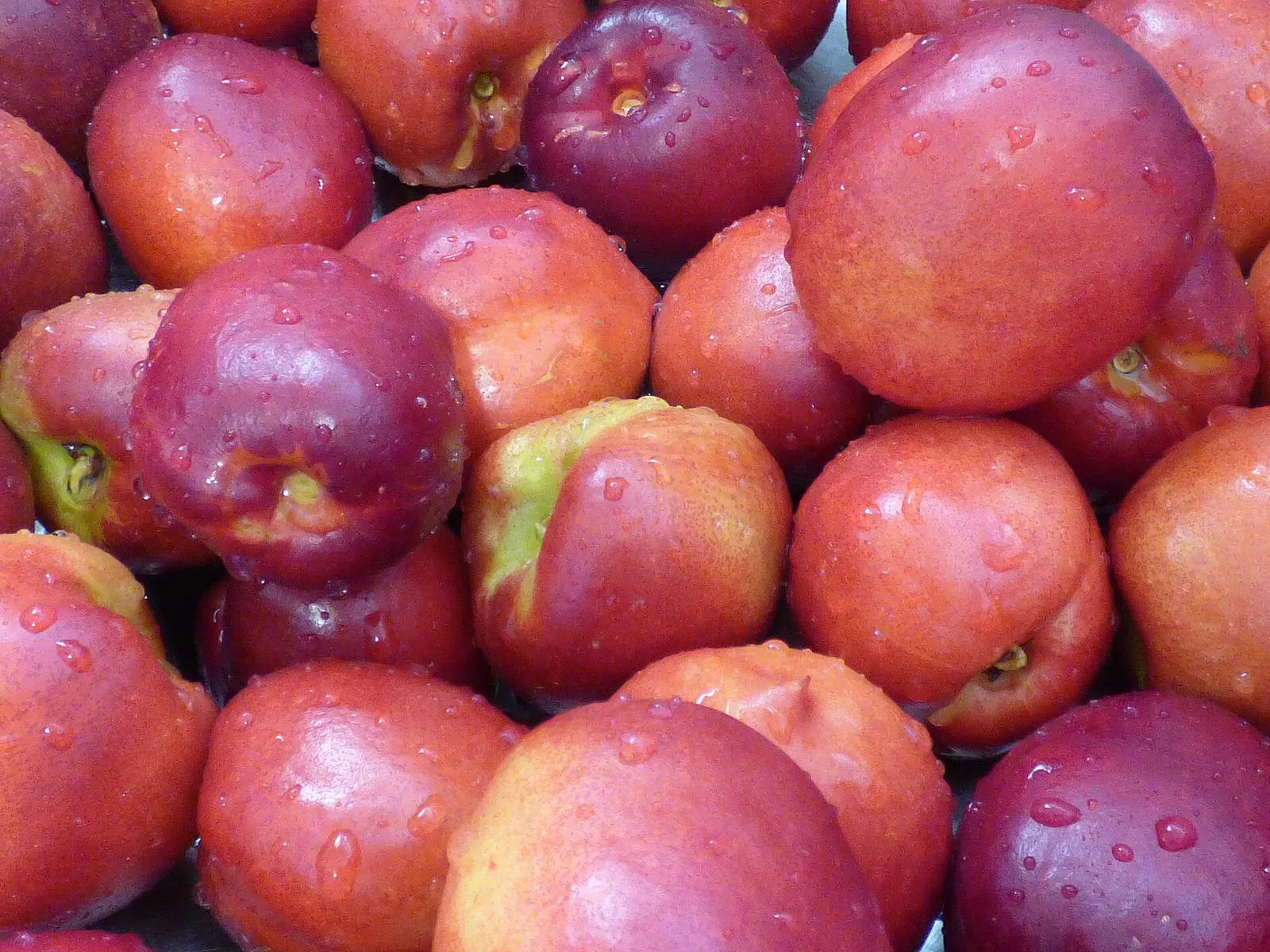
The line of cars stretched down a country road outside Reedley this week, drawn by an offer that sounded too good to be true: all the nectarines you can carry, free. Behind it was a farmer with a problem no amount of good fruit could solve.
The bind
Cesar Mora, a third-generation grower in Fresno County, raises a white nectarine called the Monalise, a proprietary variety he grows under a licensing deal with the Giumarra Brothers Fruit Company, ABC30 reported. Mora says the arrangement — annual per-tree fees plus a cut of sales — never paid off, leaving him farming at a loss. When he tried to sell his fruit through a different packer, the company sued him for breach of contract and, he says, sent letters demanding he stop selling the nectarines altogether.
That left Mora with a full crop he was not permitted to sell and a ripening clock that waits for no one. "They left me no other option than to leave it on the tree," he told reporters — except he decided not to leave it there.
The giveaway
In early July, Mora opened his orchard and invited anyone to come pick, The Press Democrat reported. The response overwhelmed him: by his count, well over 125,000 pounds of nectarines have been carried off by families, food banks and curious strangers, some of whom drove hours to take part. At times the crowds grew large enough that the California Highway Patrol paused the event for safety before it resumed. A fundraiser to help with his legal costs collected tens of thousands of dollars.
Giumarra's position, as the holder of marketing rights to the variety, is that Mora broke his agreement; the dispute is headed toward a trial. Mora's claims about the economics of the deal are his own account, and the case has not been decided. What is not in question is the fruit — and his refusal to let it go to waste.
A bigger story than one orchard
Mora's standoff points to a tension threaded through modern agriculture. As breeders patent new fruit varieties and license them under strict terms, growers can find themselves locked into contracts that dictate not just how they farm but whether and to whom they may sell. When the math stops working, there is often no easy exit.
For now, the story around Reedley is a simpler and sweeter one: a farmer facing a bad year, a mountain of fruit that would otherwise rot, and a community that showed up by the thousands to make sure it didn't. "It's been discouraging to even want to go out and farm," Mora said — but for a few days this month, the crowds streaming through his orchard offered a different kind of return.