

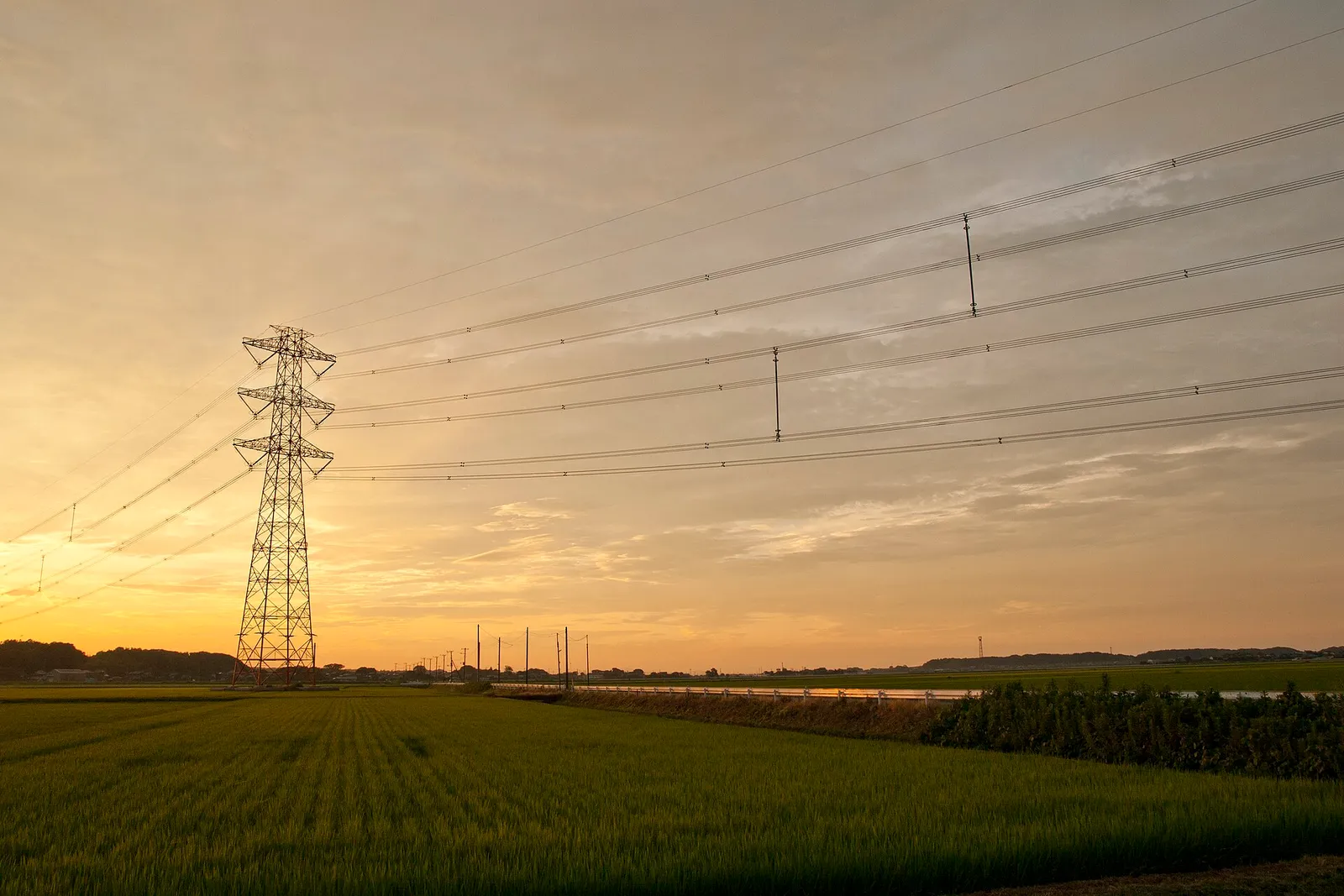
Losing power in a heat wave is not just an inconvenience; without a working air conditioner, it can be deadly. California regulators, acting in the middle of exactly such a summer, have moved to make those cutoffs harder to impose.
What changed
The California Public Utilities Commission tightened the rules that bar utilities from disconnecting customers during extreme heat, lowering the temperature threshold that triggers the protection so it kicks in earlier, and requiring the big utilities to consult a heat-risk forecast before shutting off anyone's power when dangerous heat is expected. The state has been developing a first-of-its-kind tool, called CalHeatScore, meant to gauge how dangerous the heat will actually be in a given place, accounting for the fact that a temperature that is routine in one part of California can be life-threatening in another.
Why it matters
The change is aimed at the people most exposed when the electricity stops: young children, older adults, pregnant people, those with chronic illnesses or disabilities, and people without reliable access to cooling, as the groups that pushed for it emphasized. Utilities disconnect a large number of households each year for unpaid bills, and advocates have argued that doing so during a heat wave can turn a debt problem into a medical emergency. In rural areas, losing power can also mean losing the well pump that delivers water.
The debate
Utilities had pressed for a more limited version of the rules, arguing that the existing threshold was adequate and that the new forecasting tool should play only a secondary role. Regulators went the other way, siding with consumer and public-health advocates who said the stricter standard better matched the reality of a warming state. Supporters hailed the decision as a model other states could follow. Even so, the commission acknowledged that a single statewide temperature line is a blunt instrument, and it directed utilities to work up region-specific heat standards, recognizing that "extreme heat" means something very different on the coast than in the inland valleys.
The Southern California angle
For Los Angeles and the surrounding counties, the timing is pointed. The region is in the grip of a heat wave that has pushed inland temperatures well into the triple digits and prompted cities to open cooling centers, precisely the conditions the new rules are meant to address. Whether the protection works as intended will be tested not in a hearing room but on the hottest days, when a household behind on its bill either keeps the air conditioning running or does not. For now, the state has drawn a firmer line: in the worst of the heat, the power is supposed to stay on.