

Every World Cup has its stadiums and its stars, and, off to one side, its quieter stories. Here is one of them, told in fades and clipper lines.
A day at the team hotel
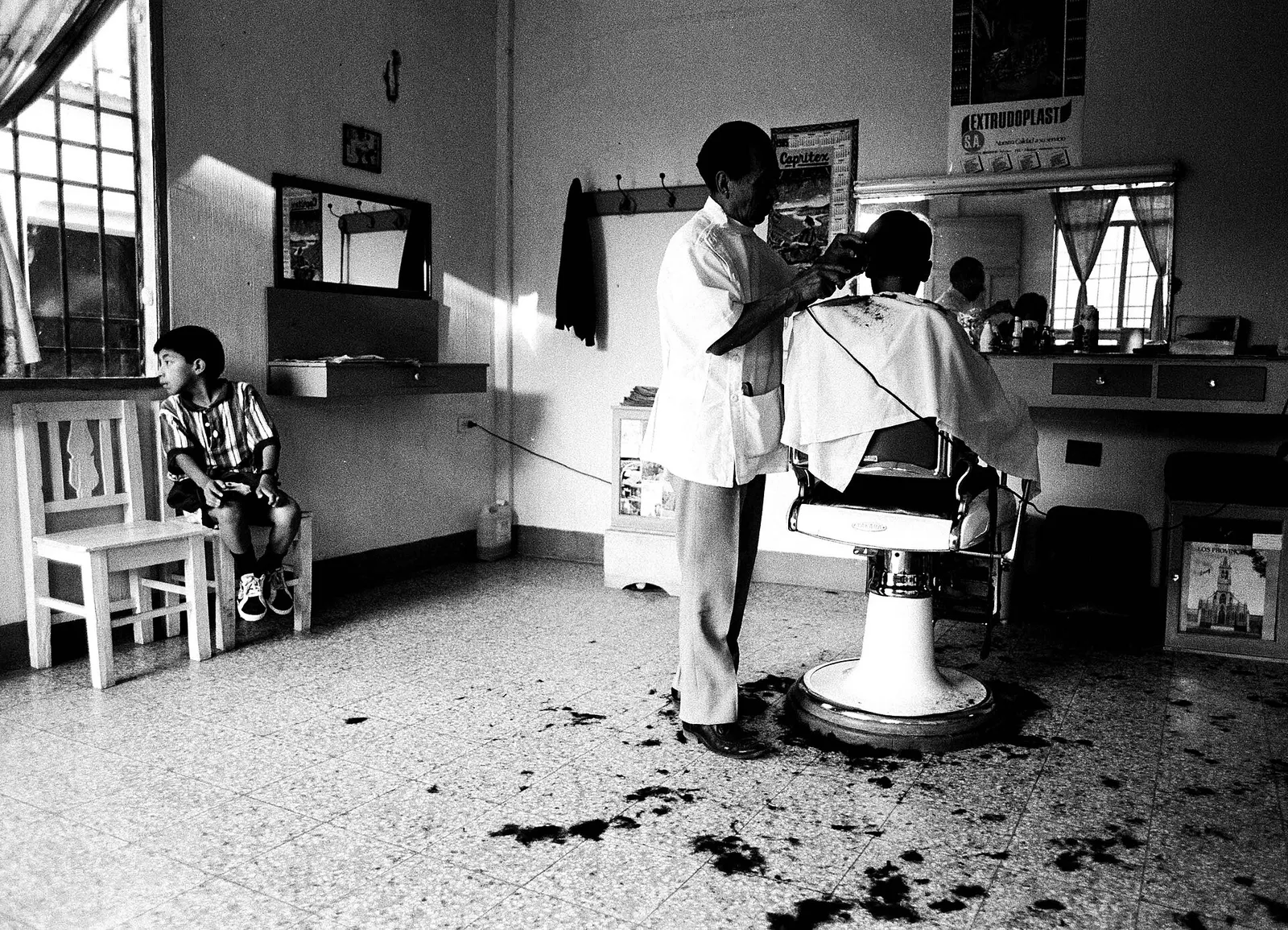
When Egypt's national team set up in the Seattle area for the tournament, it needed a barber, and it found Maram Hammadi, who owns Jazz Barbershop in Shoreline, Washington. The call meant clearing his schedule and heading to the team's hotel, where, over the course of a long day, he worked his way through the whole roster, one player after another settling into his chair.
The team's biggest name, the striker Mohamed Salah, came last. Hammadi later described the nerves of that moment, saying his hands went unsteady and his focus swam: "I turned around to look at my clipper in front of me. I couldn't see it, you know?" he told KNKX.
Why a haircut matters
To an outsider, a team barber can look like a luxury. To the players, it is closer to preparation. At a tournament where athletes are photographed constantly, live in close quarters for weeks and carry the hopes of a nation, feeling sharp is part of feeling ready, and a fresh cut is a small, repeatable bit of control in an environment where almost nothing else is. Grooming has long been woven into soccer's culture; at the World Cup, it becomes one of the rituals that structure the days between matches.
The barber's own long road
Hammadi's presence in that hotel was its own improbable journey. He left Iraq in 2007, spent years in a refugee camp in Jordan and eventually settled in the Pacific Northwest, building a life and, later, a shop of his own before a chance connection put him in front of a World Cup team. He has taken to watching Egypt's matches with a fan's superstition, hoping, half-joking, that his work is carrying some luck onto the pitch: "Every single game we watch, and we pray our haircuts will be good luck on them," he said.
The color of a World Cup
As the 2026 tournament reaches its final this weekend, the marquee names will get the highlights and the trophies. But a World Cup is also made of people like Hammadi, the cooks and drivers and barbers who form the quiet infrastructure of a team's month abroad. His story is a reminder that the biggest event in sports is stitched together from a lot of small, human moments, and that sometimes the person closest to the players is the one holding a pair of clippers.