The war between the United States and Iran keeps writing itself into the price of oil. Crude climbed again as Tehran warned it would strike back if Washington hits its critical infrastructure, the latest turn in a conflict that has kept a risk premium on energy markets for weeks.
The move
Benchmark crude prices edged higher, with U.S. West Texas Intermediate trading around $80 a barrel and the international benchmark, Brent, near $85, each up more than one percent. The immediate trigger was a fresh Iranian threat: after signals that the United States could target Iranian infrastructure, Iran's military leadership vowed retaliation, raising the odds, in traders' eyes, of a wider disruption to Persian Gulf oil.
Why the Gulf matters so much
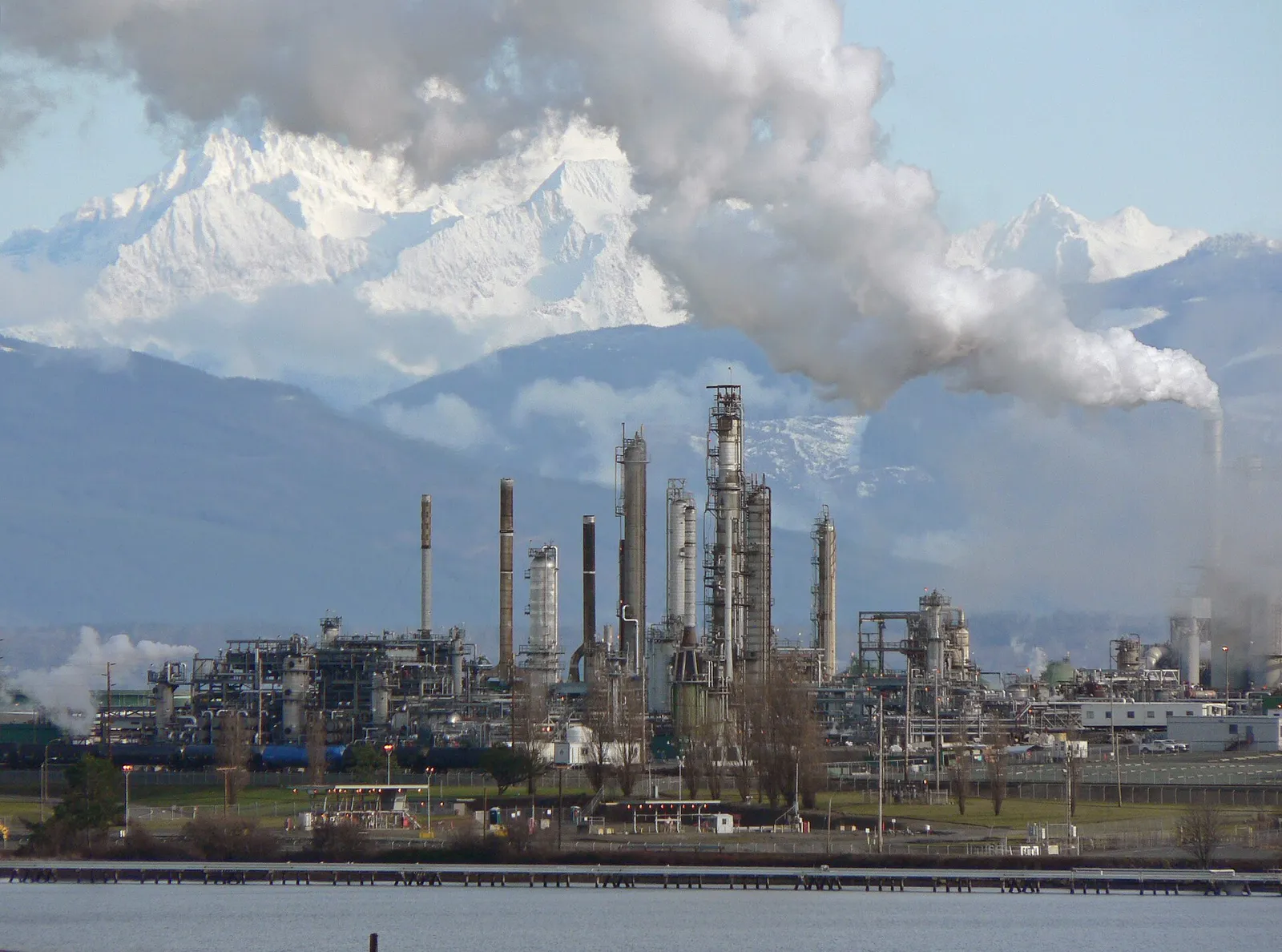
The reason a regional war moves the global oil price runs through one narrow waterway. The Strait of Hormuz normally carries a large share of the world's seaborne crude, and with the fighting and a U.S. naval blockade in place, traffic through it has fallen steeply, with far fewer tankers making the passage than in normal times. When that much oil suddenly becomes harder to ship, buyers bid up what is still moving, and prices rise even without an actual shortfall in the ground. Analysts warn that a direct hit on Iranian oil infrastructure, or a fuller closure of the strait, could push prices sharply higher still.
The bill at home
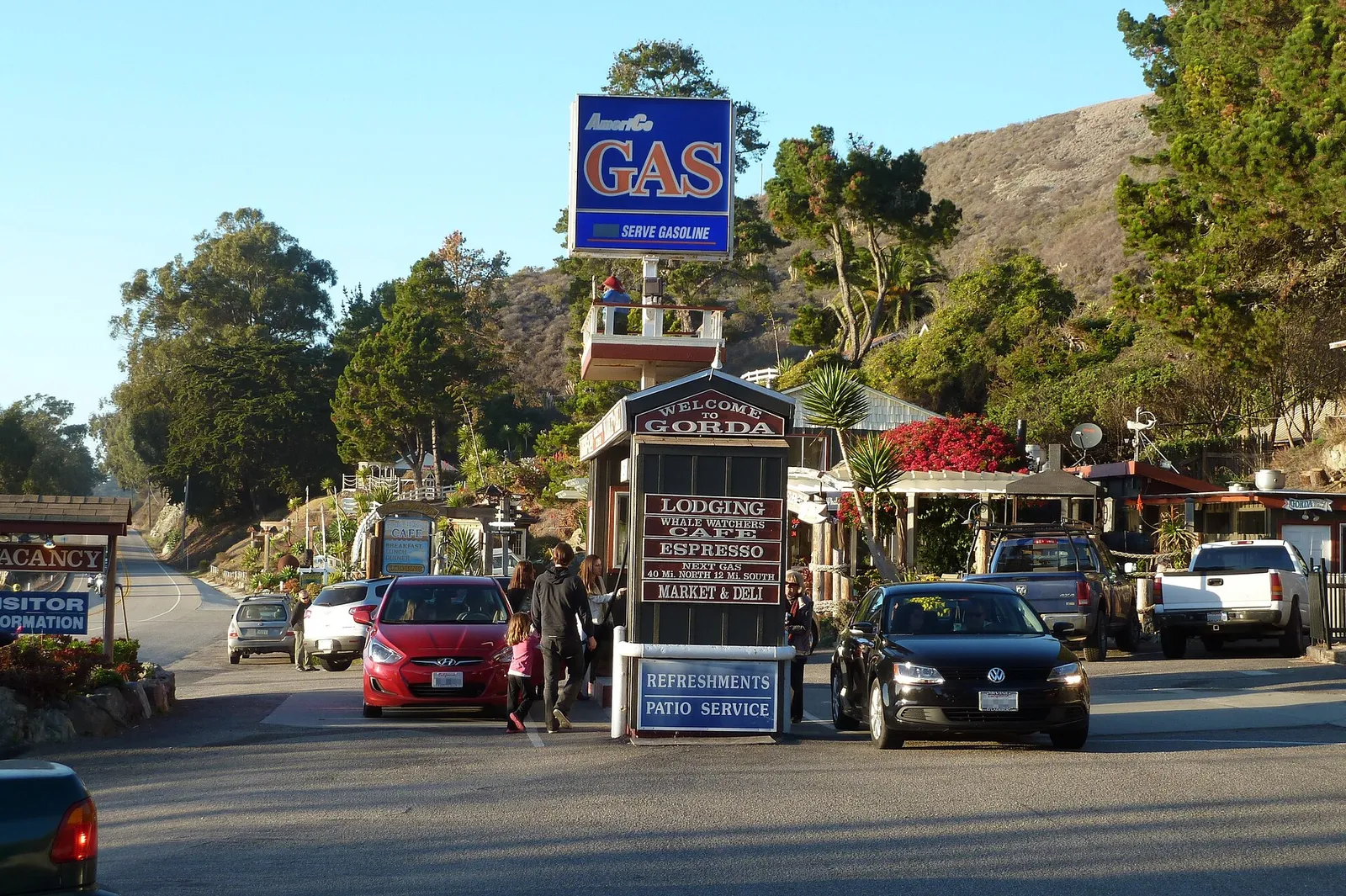
For Californians, the market's anxiety is not abstract. The state, which already carries the nation's highest fuel prices, has seen gasoline climb back toward $6 a gallon and diesel push past $5 since the war began, a squeeze that ripples through the cost of trucking and, eventually, groceries. Every escalation in the Gulf tends to show up, days later, on the sign at the corner station.
What to watch
The market is essentially pricing a question no one can yet answer: whether the two governments find an off-ramp or the fighting widens to the oil fields and tankers themselves. Both sides have reasons to want lower prices and a way out, and reasons to keep pressing. Until that resolves, oil is likely to stay jumpy, every threat and counter-threat nudging the number that, more than almost any other, tells Americans a distant war is costing them something at home.