


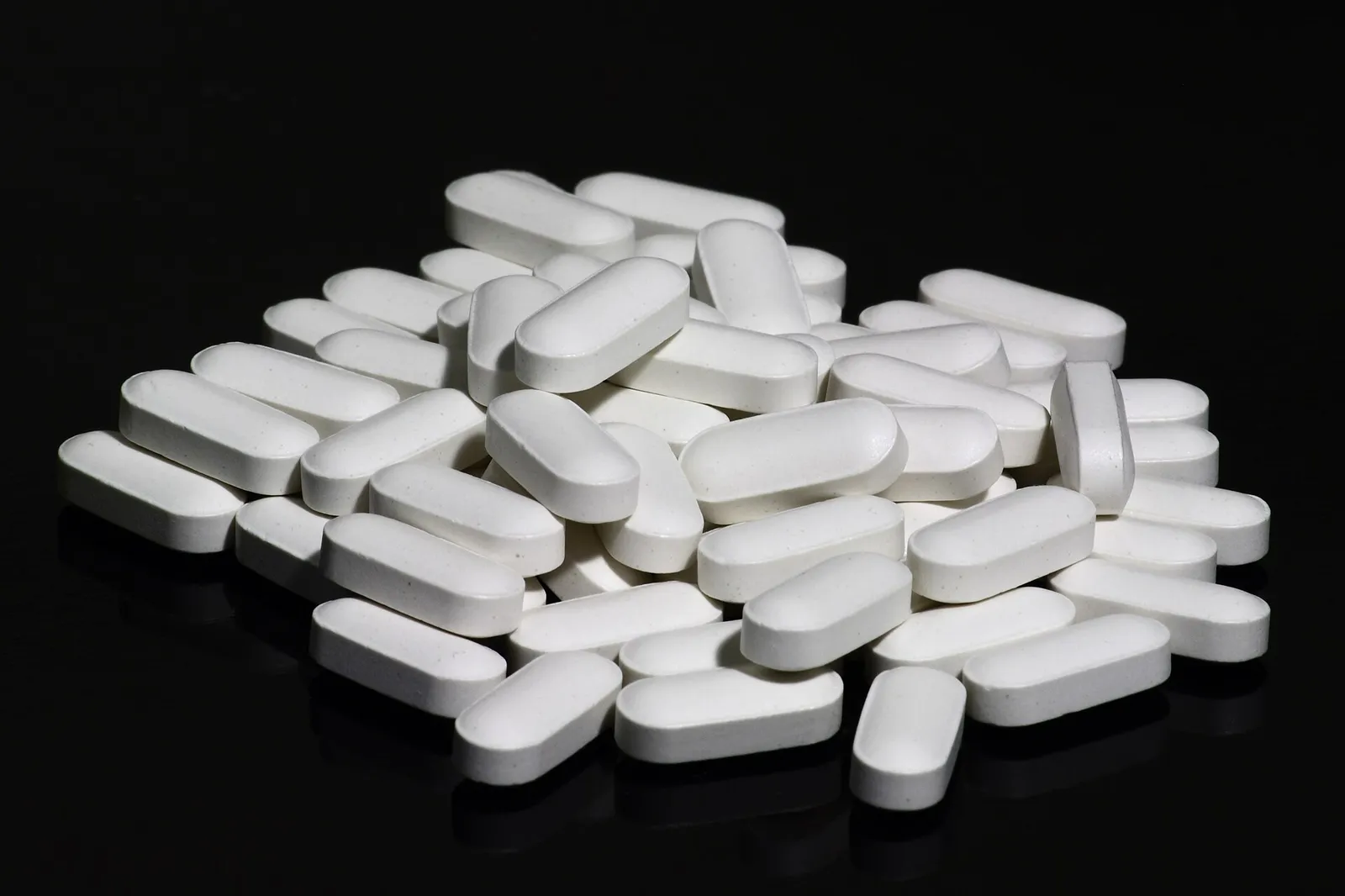
For years, the most potent cholesterol-lowering drugs after statins came with a needle. That changes now. The Food and Drug Administration has approved Merck's Lipfendra, known generically as enlicitide, as the first PCSK9 inhibitor available as a daily pill rather than an injection.
What the drug does
PCSK9 inhibitors work by blocking a protein that limits the liver's ability to pull LDL, the "bad" cholesterol, out of the blood. Free that process up, and LDL levels fall. Until now, that class existed only as injections given every few weeks. Merck's pill delivers the same idea in oral form. In the company's clinical trials, the drug cut LDL cholesterol by roughly 56 to 59 percent, including in patients with familial hypercholesterolemia, an inherited condition that drives cholesterol dangerously high. It is approved as an addition to diet and, typically, to statin therapy for adults who need more LDL lowering than they are getting.
Why it matters
Heart disease is the leading cause of death in the United States, and high LDL is one of its central, modifiable drivers. Statins remain the first-line treatment and work well for many people, but a substantial share of patients either cannot tolerate them at high doses or still fall short of their cholesterol goals. For them, the options have been the injectable PCSK9 drugs, effective but, for some, a barrier because of the shots and the cost. A pill that matches their potency could widen access to aggressive cholesterol lowering, and, over time, potentially head off heart attacks and strokes.
The cost and access questions
Price and coverage will shape how far the drug reaches. Merck has set a list price well below the injectable PCSK9 inhibitors, which have run several thousand dollars more a year, and said it would work with insurers and offer assistance programs. Even so, list prices rarely reflect what patients pay, and insurers commonly require people to have already tried and failed on statins before approving a newer drug. How generously plans cover the pill, and how much paperwork stands between a prescription and a filled bottle, will help determine whether the approval translates into broad use or remains a specialty option.
What to watch
As with any new medicine, the real-world picture will fill in over the coming months, from how patients tolerate it, trials reported side effects such as diarrhea and dizziness at low rates, to whether long-term data confirm that the LDL reductions translate into fewer cardiac events. For now, the approval marks a genuine shift: one of cardiology's most effective tools, long tethered to an injection, is finally available in a form as ordinary as a daily tablet.