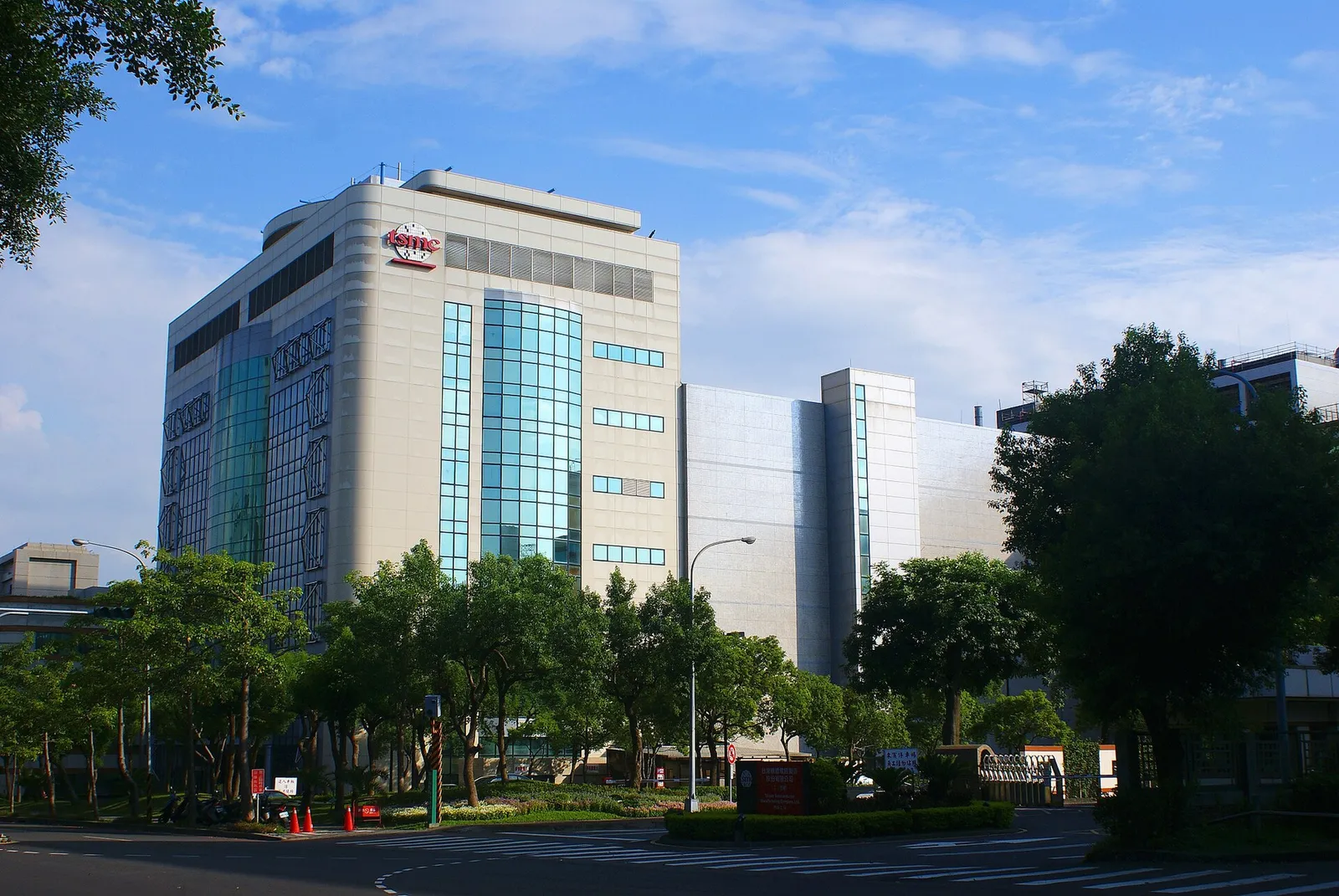
The company that makes the world's most advanced computer chips is betting, again, on America. TSMC said it would invest another $100 billion in U.S. manufacturing, a commitment announced alongside record quarterly earnings and driven by the same force reshaping the whole industry: artificial intelligence.
From $165 billion to $265 billion
The new pledge builds on an already enormous plan. TSMC had committed roughly $165 billion to U.S. production, a figure reached when it added $100 billion in early 2025 to an original $65 billion. This latest $100 billion is on top of that, bringing the total American investment target to about $265 billion, one of the largest foreign manufacturing commitments in U.S. history.
Most of the money is flowing to Arizona, where TSMC already runs fabrication plants near Phoenix and plans several more, along with advanced packaging facilities. The new capacity is aimed at leading-edge chips, the two-nanometer-class processors that power AI systems and top-end computing, and the company has been pulling some timelines forward to meet demand.
Why now
TSMC can afford the ambition. In the quarter that ended June 30, the company reported record results, with net profit up about 77 percent from a year earlier and revenue climbing sharply, beating analysts' expectations. The engine is AI: data centers around the world are racing to add computing power, and nearly all of the most advanced chips that make that possible are manufactured by TSMC.
There is a political dimension, too. Washington has pushed to bring chip production onshore and has imposed tariffs touching semiconductors, giving a Taiwan-based manufacturer extra reason to build inside the United States and closer to American customers.
The catch
Scaling up in Arizona has not been friction-free. TSMC has pointed to real challenges, including the desert state's water supply and a shortage of skilled workers, the kind of constraints that can slow even a well-funded buildout. Constructing and staffing a cutting-edge fab is among the most complex undertakings in modern manufacturing, and doing it repeatedly, far from the company's home base in Taiwan, is a bet that will play out over years.
Still, the direction is unmistakable. A company once synonymous with Taiwan's role at the heart of the global chip supply chain is steadily planting a second base in the American Southwest, wagering that the AI boom, and the politics around it, will more than justify a quarter-trillion-dollar commitment.