


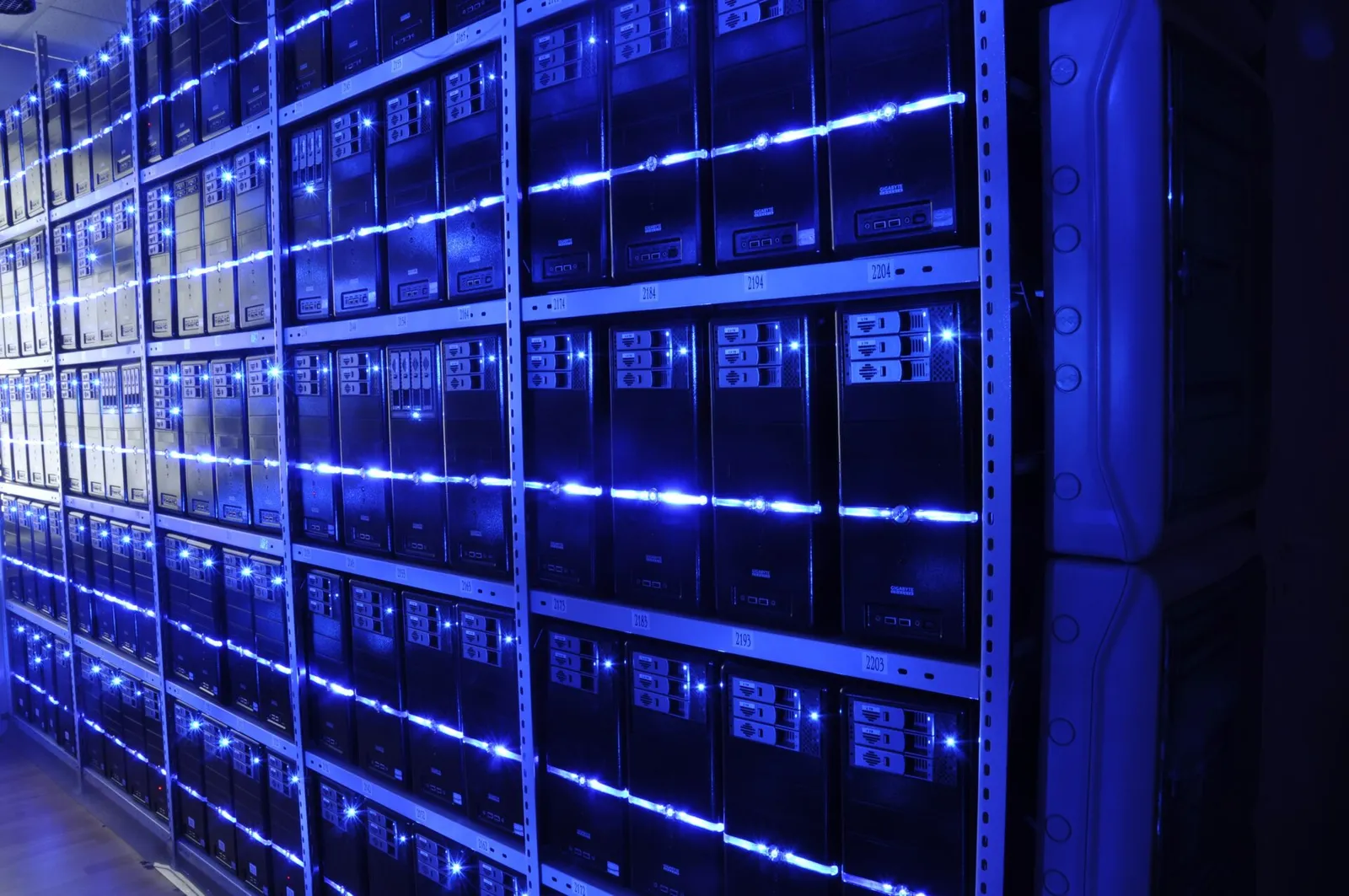
The machines that power artificial intelligence have to live somewhere, and increasingly that somewhere is India. As demand for computing explodes, the country has become one of the hottest markets on earth for data centers, the warehouse-sized buildings full of servers that train and run AI models. The investment is enormous. So, critics warn, is the strain it will put on places least able to bear it.
A boom with a map
India generates a large share of the world's data but has long hosted only a small slice of the capacity to process it. Global companies are racing to close that gap, drawn by cheap land, a vast workforce and government incentives. One of the largest bets is in Visakhapatnam, a port city on the Bay of Bengal in the state of Andhra Pradesh, where Google and India's Adani Group have announced a partnership to build what they call the country's largest data-center campus, anchored by a roughly $15 billion investment over several years.
The promise is transformation: high-skilled jobs, a wave of construction work, and a place for India near the center of the AI economy rather than dependent on computing owned abroad.
What a data center consumes
The worry is what those machines demand to run. Large data centers draw enormous amounts of electricity and, for cooling, large volumes of water, both in short supply in much of India. Environmental researchers have warned that the rush to build is outpacing scrutiny of its water and energy costs, and that regions already prone to shortages could see the new campuses compete with households and farms for scarce resources.
Visakhapatnam sits in exactly that bind. The surrounding district faces real water stress, and a project of this scale would need a steady, heavy supply to keep its servers from overheating. Companies say they intend to lean on seawater and efficient cooling, but residents and activists complain that the specifics, how much freshwater will be used, and at whose expense, have not been made clear.
Development versus disruption
The tension is not unique to India, but it is sharpened there by scale and speed. Supporters argue the campuses will bring investment and opportunity to a coastal region that wants both, and that the companies have pledged their costs will not fall on ordinary households. Critics counter that environmental review has lagged, that data centers are often treated in planning terms as ordinary buildings rather than heavy industrial users, and that the heaviest burdens, on water, land and power, tend to land first on fishing communities and the poor.
As the fallout in Visakhapatnam draws national attention, it has become a test case for a larger question facing the developing world: how to chase the jobs and prestige of the AI age without mortgaging the resources that local communities depend on to live. India has decided it wants to build. What it has not yet settled is who pays.