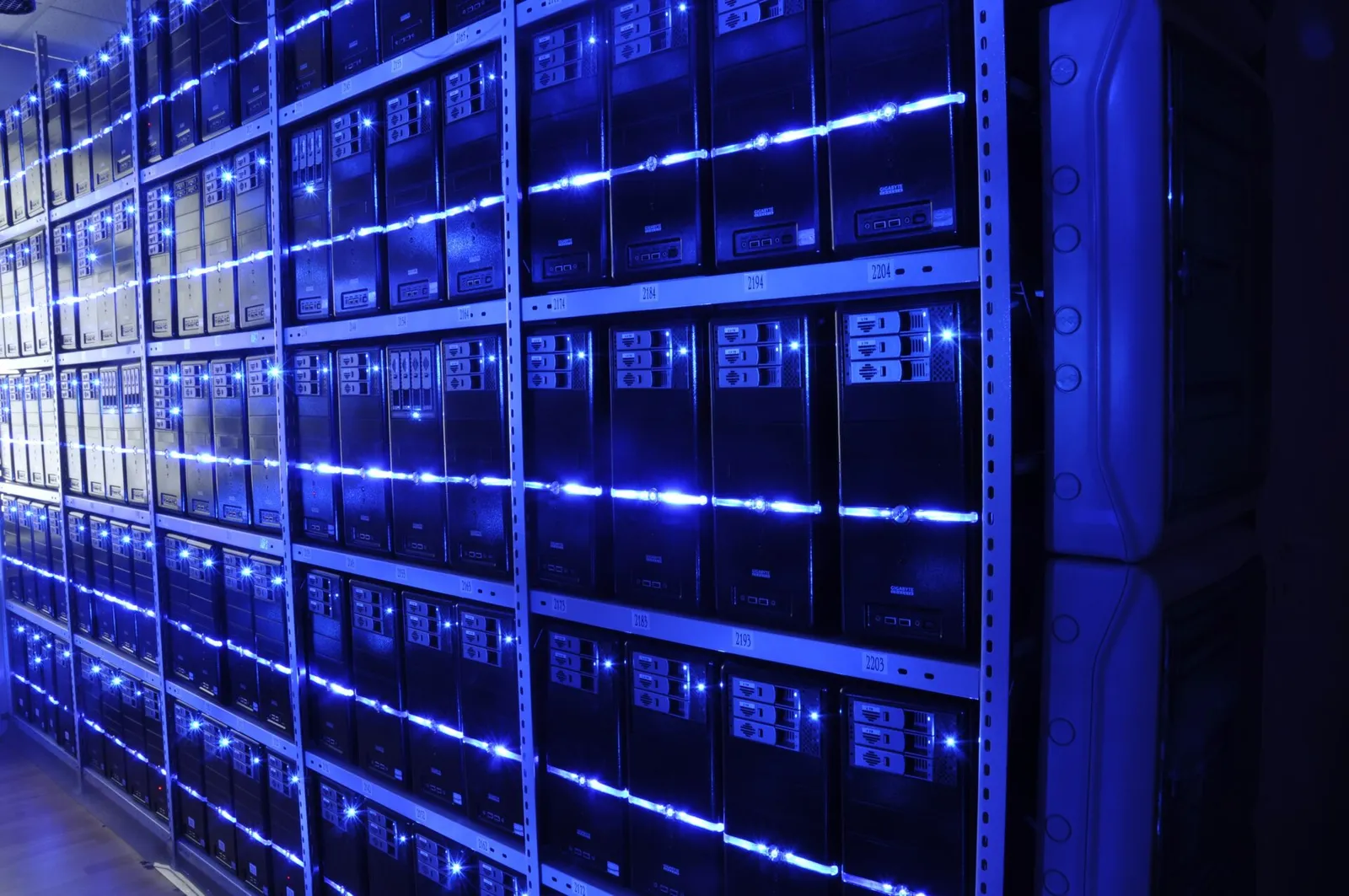


For all its regulatory muscle, Europe runs much of its digital life on machines it does not own. The cloud servers behind its businesses and governments belong largely to American companies; the most advanced artificial-intelligence models are built in the United States and China. A growing movement in Brussels wants to change that, arguing that dependence on foreign technology is now a strategic vulnerability. The harder question is whether Europe can actually build an alternative.
The case for "sovereignty"
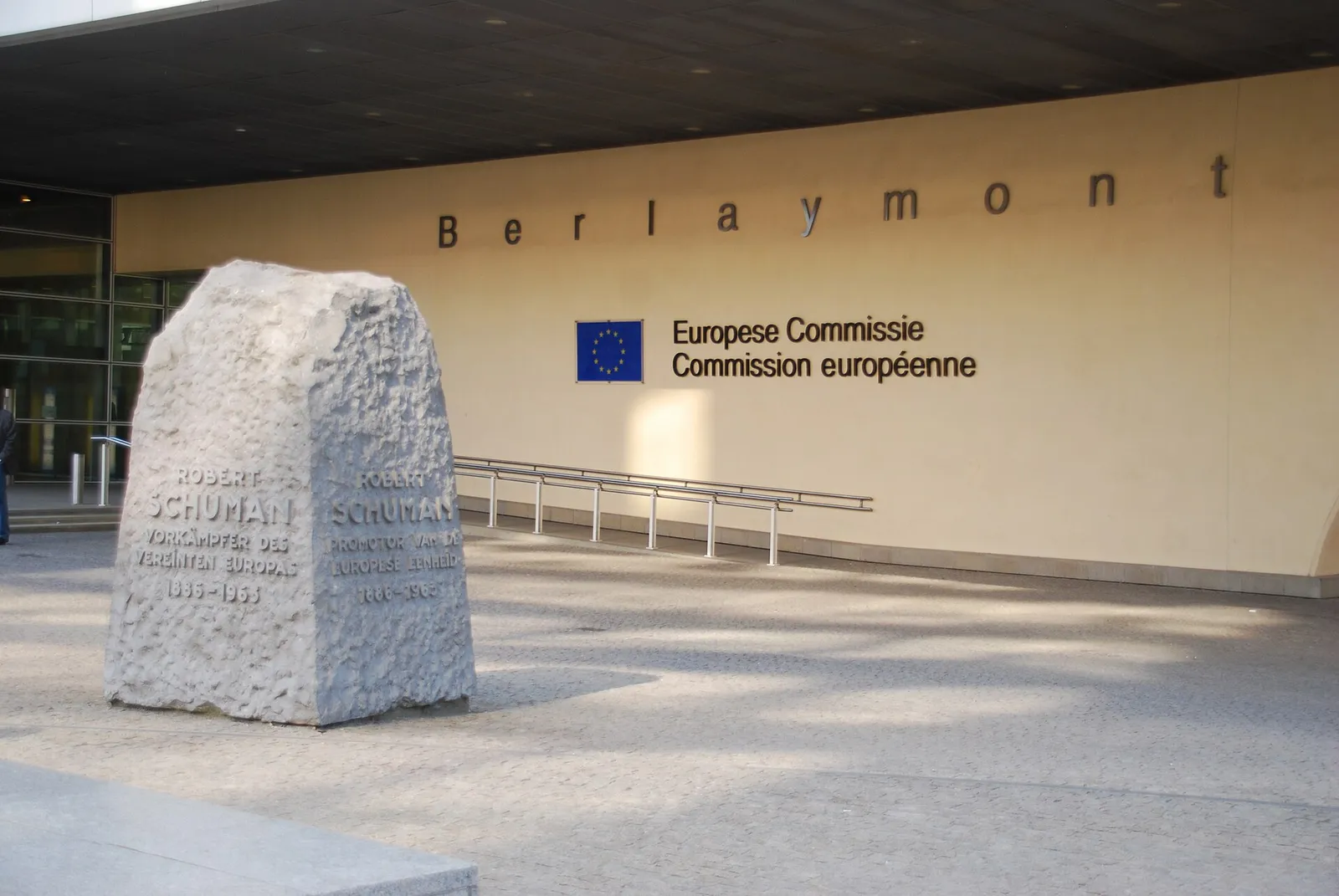
The worry driving the effort is straightforward. A handful of American "hyperscalers," Amazon Web Services, Microsoft Azure and Google Cloud, dominate European cloud computing, and Chinese suppliers raise their own security concerns. Officials fear that dependence could become leverage: that a foreign government or a foreign company could, in a crisis, restrict access to infrastructure Europe cannot do without. In June, the European Commission put forward a technology-sovereignty push meant to cut that reliance across cloud, AI and semiconductors.
The vocabulary matters. Advocates talk less about total self-sufficiency than about having credible European options, so that no single foreign supplier holds the whole continent's data and computing in its hands.
What Europe is building on
Europe is not starting from nothing. It has genuine strengths in parts of the technology stack. The Dutch firm ASML is the world's only maker of the extreme-ultraviolet lithography machines that produce the most advanced computer chips, a chokepoint that gives Europe rare leverage in the global chip race. In artificial intelligence, the French startup Mistral has emerged as a credible European model-builder, and struck a partnership with the German software giant SAP to offer "sovereign" AI to European customers.
There are also broader blueprints. An industry-backed initiative called EuroStack has proposed a sweeping, decade-long investment to build European alternatives across chips, cloud and software, and earlier efforts such as the Gaia-X project have tried to set common standards so European cloud providers can compete on trust and data protection.
The hard limits
The obstacles are formidable. European cloud providers are dwarfed, in scale, global reach and capital, by the American incumbents that big companies rely on to operate worldwide. Building competitive infrastructure would take years and enormous sums, with no guarantee of catching up to rivals that keep investing at a pace Europe has struggled to match.
Politics complicates it further. Europe's members do not always agree on what sovereignty requires. France, for instance, has been wary of joining U.S.-led coordination efforts it sees as compromising independence, while the bloc restricts Chinese technology without yet offering home-grown replacements. In practice, that can mean choosing which foreign dependency to accept rather than escaping dependency altogether.
A more modest goal
The likeliest outcome is not autonomy but leverage. If Europe can field enough credible options, it gains bargaining power over the American and Chinese firms it still relies on, on data, security and price, and some insurance against sudden geopolitical shocks. That is a narrower prize than "breaking free," and it fits Europe's real position: a bloc with world-class engineering and regulatory clout, but without the scale and speed that built the giants it now hopes to counter. Digital pluralism, more than digital independence, may be the most it can realistically win.