

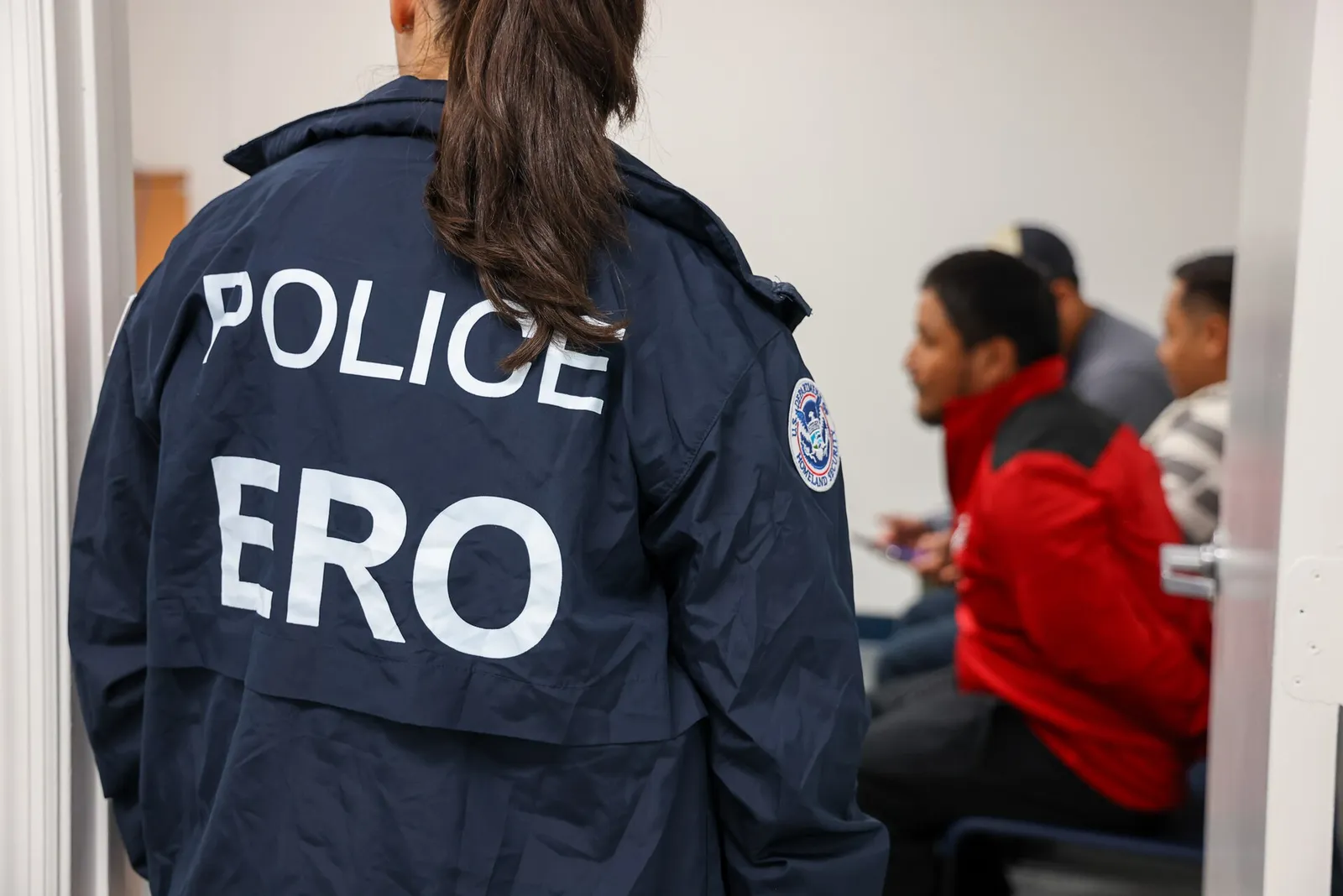
For barely a day, Immigration and Customs Enforcement stepped back from one of its most common tactics. Then the president told the agency to press on.
A pause, then a reversal
After two people were fatally shot by ICE officers during vehicle stops within a week, the agency moved to pause most such stops, a step officials framed as a chance to review procedures and give officers additional training. The pause did not last. On Wednesday, President Trump posted that the agency "CANNOT give up one of I.C.E.'s most important and effective Crime Fighting tools, THE TRAFFIC STOP," and the stops resumed, with the president saying officers should proceed "judicious, fair and smart."
The abrupt about-face caught parts of the agency off guard. Senior ICE leaders were surprised by the president's push to keep the stops going, NBC News reported, underscoring a gap between commanders weighing officer and public safety and a White House unwilling to be seen retreating on enforcement.
The two shootings
The pause followed two deaths. In Houston, Lorenzo Salgado Araujo, a 52-year-old Mexican national, was killed during a vehicle stop on July 7; relatives and advocates said he had lived in the United States for decades. Days later, in Biddeford, Maine, an ICE officer shot and killed a Colombian man during another stop. Local officials and advocates identified him as Johan Sebastián Durán Guerrero, described in various accounts as 25 or 26 years old, authorized to work in the country and headed to his job when he was stopped. Lawmakers briefed on the case said he was not the target of the operation, and officials have said the officers involved were not wearing body cameras, complicating any independent review.
A contested tactic
Traffic and vehicle stops have become a routine part of interior immigration enforcement, and the administration defends them as essential to locating people it is seeking. Critics, including immigrant-rights groups and some members of Congress, argue the stops too often ensnare bystanders and can turn deadly, and they have called for independent investigations and wider use of body cameras rather than a quick return to business as usual. The Department of Homeland Security has signaled it intends to expand camera use among officers even as the stops continue.
The view from Los Angeles
The dispute lands hard in Los Angeles, where immigration enforcement has been a persistent flashpoint. After the two shootings, activists held an "ICE Out" protest in downtown Los Angeles, part of a broader wave of demonstrations over the agency's tactics. For immigrant communities across Southern California, the president's message was unambiguous: the stops that many fear are not going away.