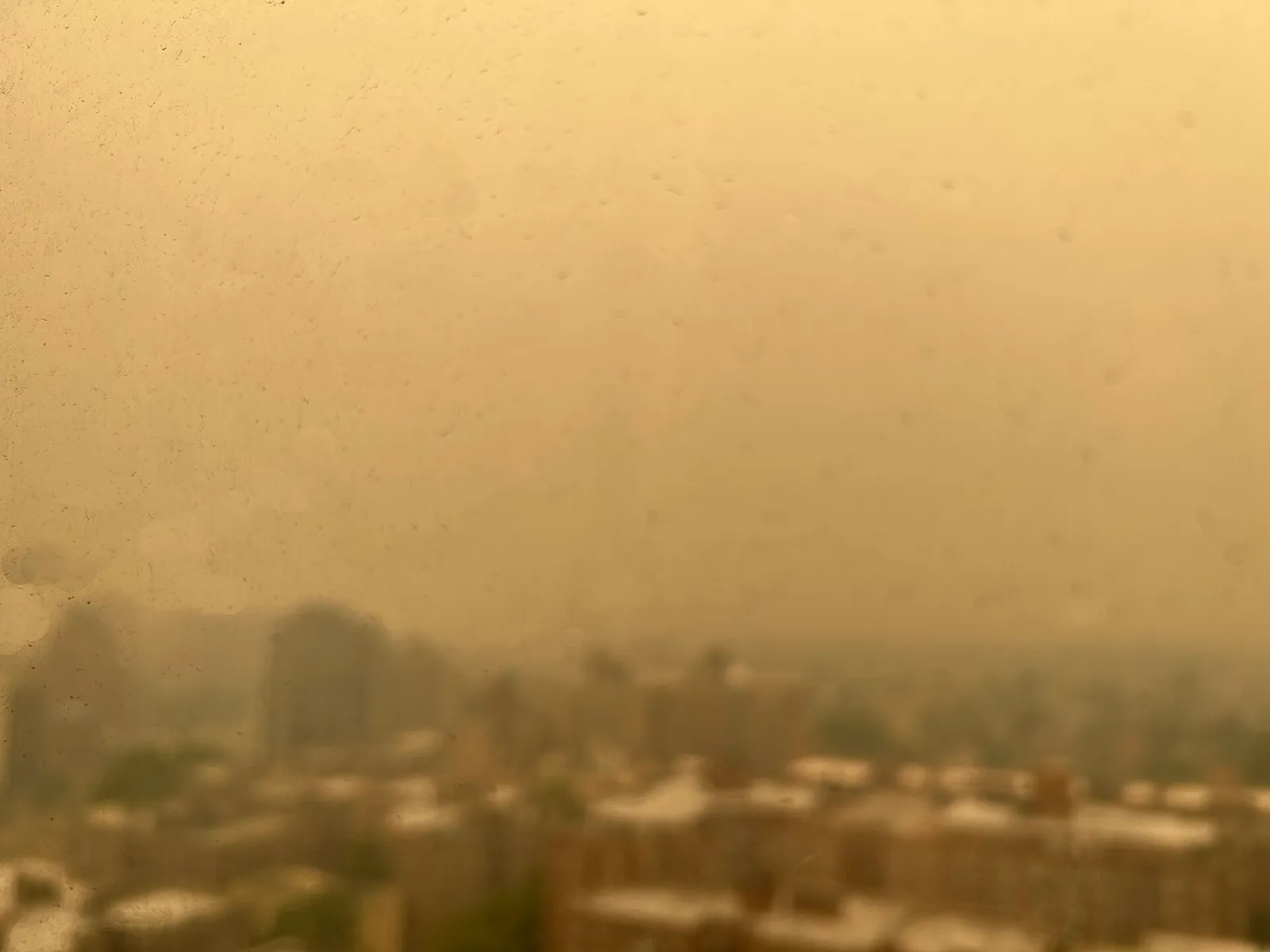
Torontonians woke to a sky that looked wrong: the sun a pale disc behind a wall of orange, the skyline blurred, the air heavy with the smell of distant fire. The cause lay hundreds of miles to the northwest, where Canada's forests are again ablaze.
The worst air among big cities
Wildfire smoke drifting from northwestern Ontario settled over Toronto, and for a stretch the city registered some of the worst air quality of any major city in the world, a grim ranking it shared this week with the likes of Delhi. Environment Canada issued an air quality warning for the region, urging residents to stay indoors, keep windows closed, and limit strenuous outdoor activity, with the sharpest cautions for seniors, young children, pregnant people, and anyone with heart or lung conditions.
The danger in the haze is fine particulate matter, the microscopic soot known as PM2.5 that lodges deep in the lungs and can pass into the bloodstream. Officials said the smoky conditions could linger for days before shifting winds carried the plume away.
A vast fire season
The smoke over Toronto is one symptom of a punishing summer. Environment Canada tied the warning to fires burning in the province's northwest, part of a nationwide season in which hundreds of blazes have been active at once and many remain uncontained, scorching a large area of forest and forcing evacuations in remote communities. Fire officials have warned that hot, dry stretches can let flames spread quickly, feeding the plumes that then travel across the continent.
Crossing the border
Smoke does not stop at national lines. Forecasters said the plume was moving into the U.S. Midwest, Northeast and Mid-Atlantic, dragging air quality into unhealthy ranges for tens of millions of people across states including New York, Michigan, Ohio and Pennsylvania. It is a pattern that has become grimly familiar since 2023, when Canadian wildfire smoke famously turned New York City's sky orange and forced schools and airports to adjust.
For now, the advice on both sides of the border is the same and unglamorous: check the local air quality index, stay inside when the numbers spike, and wait for the wind to change. The fires, and the smoke they throw off, are a reminder that a hotter, drier North is exporting its worst days far beyond the forests that burn.