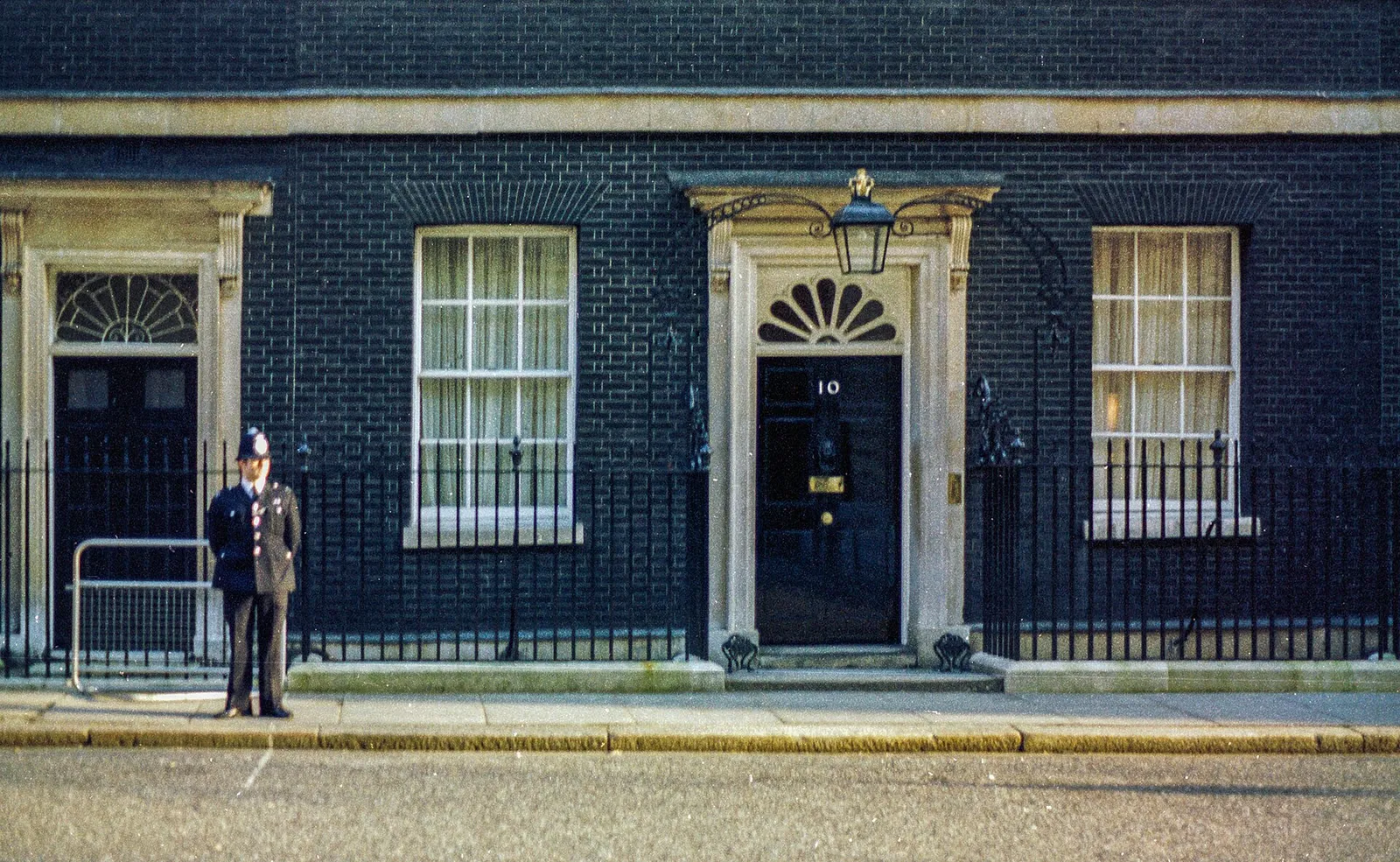
Keir Starmer took his leave of the House of Commons on Wednesday, appearing for the last time as prime minister at the weekly Prime Minister's Questions before handing over power. It was a subdued end to a premiership that began, only two years ago, with one of the biggest election victories in modern British history.
A short, turbulent tenure
Starmer led Labour to a landslide in July 2024, but his government struggled to convert that mandate into lasting support. Poor results in this spring's local elections, and the rapid rise of Nigel Farage's Reform UK, hardened doubts within his own party about his leadership. In June, under mounting pressure from Labour MPs, Starmer announced he would resign, triggering a contest to replace him while he stayed on as a caretaker.
On Wednesday he defended his record, telling MPs he was leaving the country "in better shape" than he found it, and struck a conciliatory note about the handover, pledging to back the next Labour leader, offering support "privately if asked for, not publicly when not asked for."
Burnham in line to succeed him
The contest to replace Starmer has effectively been decided. Andy Burnham, the mayor of Greater Manchester who returned to Parliament by winning a June by-election, secured the backing of 349 Labour MPs, the vast majority of the parliamentary party, leaving no rival able to mount a challenge. He is the only candidate nominated.
Labour is expected to confirm Burnham as leader at a special conference on July 17, after which he would go to King Charles III and formally become prime minister, in a transition expected around July 20. A longtime figure on Labour's left who previously served as health secretary, Burnham built his recent profile as a regional mayor and would take office promising a change of direction.
What it means
Britain has churned through prime ministers at a striking pace in recent years, and Starmer's exit adds another name to a list of leaders who arrived with high hopes and left early. Burnham inherits a party bruised by Reform's advance and a public weary of political instability. His central task will be to steady Labour and blunt the populist challenge, all while governing a country whose patience with its leaders has grown notably thin. For now, though, the story is Starmer's departure: a landslide winner leaving Downing Street after two years, seen off not by voters but by his own side.