

One of the longest-running fights over water in California has cleared a major hurdle. The federal Bureau of Land Management approved a right-of-way on July 10 allowing Cadiz Inc. to convert a former natural-gas pipeline to carry water, the key permit the company needs to start moving groundwater from beneath the Mojave Desert to communities across Southern California.
What was approved
Cadiz has long held rights to pump groundwater from an aquifer beneath its land in the eastern Mojave and sell it to water agencies. The newly approved conversion of the roughly 220-mile pipeline gives the project a way to deliver that water toward the High Desert and, ultimately, the Colorado River system. The company, which describes the effort as a "Mojave Groundwater Bank" developed in partnership with the Lytton Rancheria tribe, has cast the approval as a milestone that finally lets construction begin.
The case for it
Supporters frame the project as a badly needed new source of supply for a region that lurches from drought to drought. Cadiz argues its groundwater bank could provide large volumes of water and storage capacity over time, giving Southern California agencies a drought-resistant option beyond the strained Colorado River and the State Water Project.
The case against
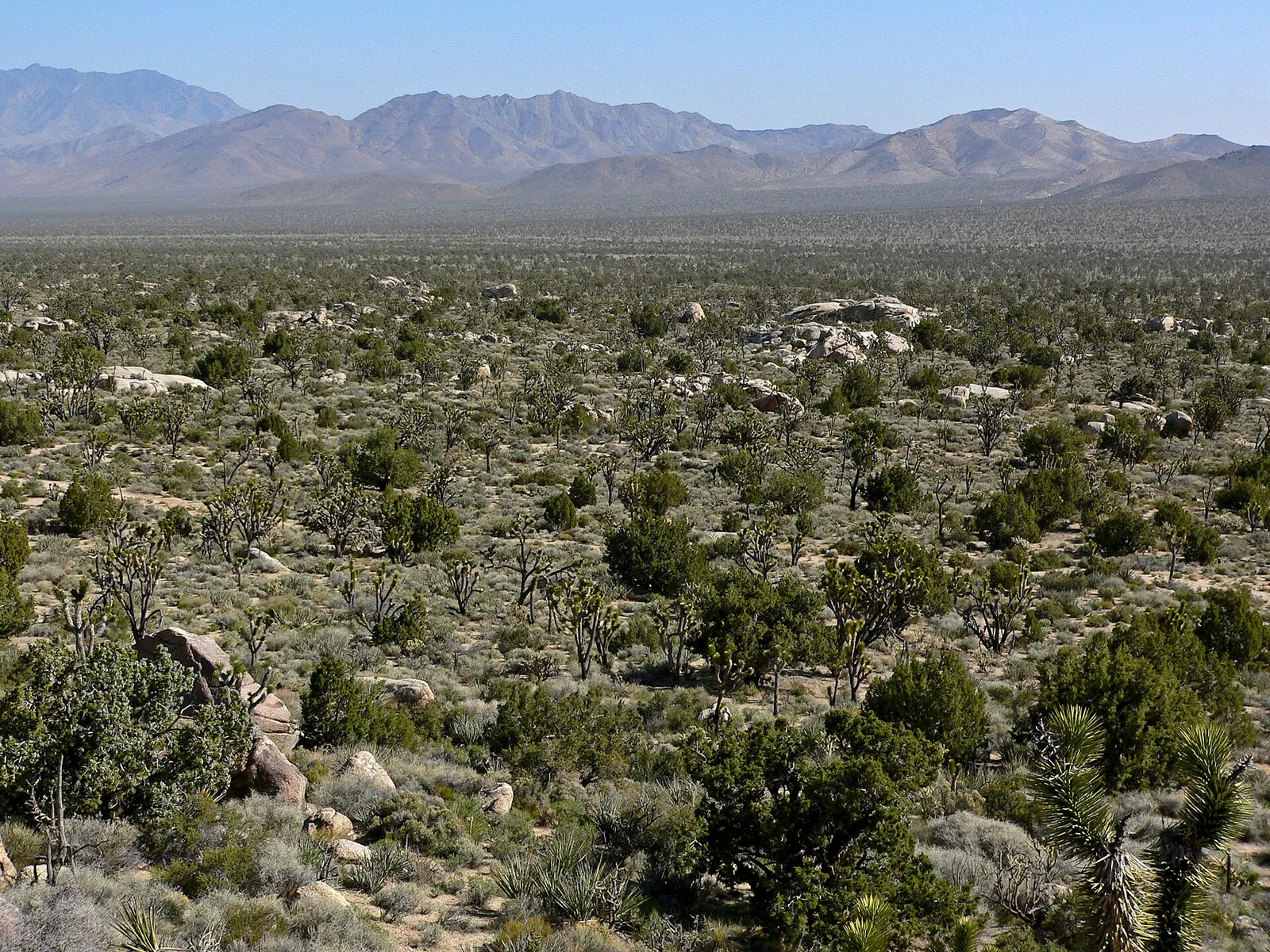
Opponents say the desert cannot spare the water. Critics, including scientists and conservation groups, contend that Cadiz would pump far more each year than the aquifer naturally recharges, drawing down a resource that took millennia to accumulate. The National Parks Conservation Association warns the project threatens rare desert springs and the wildlife that depends on them, including desert tortoises and bighorn sheep. Fort Mojave tribal leaders have said pumping and selling far more groundwater than the aquifer can replace would desecrate ancestral lands and leave the desert diminished.
Critics have also questioned the process behind the approval. The BLM declined to conduct a full environmental-impact review of the groundwater effects, and watchdog groups have pointed to the project's Washington connections, including David Bernhardt, a former Trump-era interior secretary who has worked for Cadiz's interests, as evidence the decision deserves closer scrutiny. California's U.S. senators have called for a fuller federal review.
What's next
With the federal right-of-way in hand, Cadiz can move toward construction on public land the pipeline crosses. But the approval is unlikely to be the last word: environmental groups have signaled that legal challenges may follow, continuing a battle over the Mojave's water that has already run for the better part of two decades. At its core is a question with no easy answer in a drying West, whether water stored beneath one of the state's driest landscapes should be pumped out to sustain the cities that keep growing around it.