

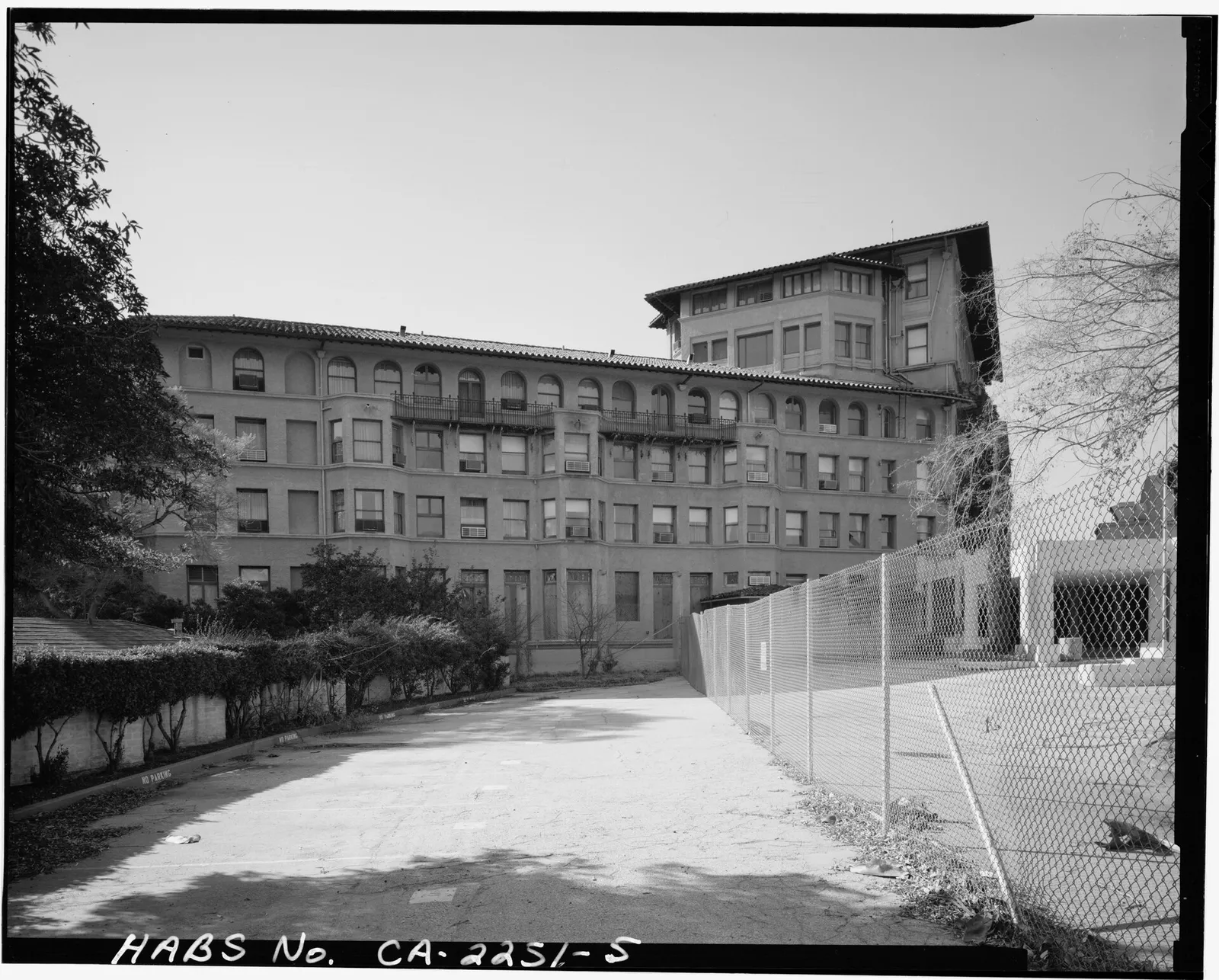
One of Pasadena's grandest hotels has agreed to settle a lawsuit accusing it of overcharging guests in the desperate days after the January 2025 wildfires. The owner of the Langham Huntington will pay $320,000 in civil penalties and costs and refund at least $216,795 to overcharged guests, resolving a case brought by Los Angeles County prosecutors.
What the county alleged
The Los Angeles County District Attorney's Office and County Counsel alleged that Langham Hotels Pacific Corporation raised room rates by more than 10% on Jan. 7, 2025, immediately before a state of emergency was declared for the Eaton and Palisades fires. Under California's anti-price-gouging law, prices for many goods and services, including hotel rooms, generally may not rise more than 10% above their pre-emergency levels once a state of emergency is in effect. The fires forced hundreds of thousands of people to evacuate, sending a surge of displaced residents in search of somewhere to stay.
The settlement
Of the total, $300,000 is in civil penalties and $20,000 covers the county's investigative costs, with the refunds paid separately to guests who were charged above the legal limit. The agreement also requires the hotel to change its automated pricing systems so they cannot push rates past the cap during a future emergency.
A settlement is not an admission of wrongdoing, and the hotel has attributed the overcharges to a pricing-system error, saying the affected rates were later corrected and guests refunded. The company has also said it donated more than 1,100 complimentary room nights to first responders and displaced residents during the crisis.
Part of a broader crackdown
The case is one of several that county and state authorities have pursued against businesses accused of exploiting the wildfire emergency. Price-gouging protections in Los Angeles County were extended well past the fires, and officials have repeatedly warned hotels, landlords and contractors that the 10% cap remains enforceable long after the flames are out. Violations of the law are misdemeanors, carrying potential fines and, in theory, jail time.
For the displaced Angelenos who scrambled for shelter in January 2025, the settlement is a modest measure of accountability. It also serves as a marker for the next emergency: in a region where wildfires and evacuations have become a recurring fact of life, the rules meant to prevent price gouging only work if they are enforced, and this case is one of the ways the county is trying to show that they will be.