The war between the United States and Iran ground into a fifth consecutive day on Wednesday, with no sign of the pause that briefly held the conflict in check last month. American forces struck again, Iran said it hit back at U.S. bases around the Gulf, and the U.S. naval blockade of the Strait of Hormuz, the artery for much of the world's oil, remained in place.
Wednesday's strikes
U.S. Central Command said its forces launched a fresh wave of strikes on Wednesday morning aimed at degrading the Iranian military capabilities used to threaten commercial shipping in the strait. The command said the roughly 90-minute operation hit coastal-defense systems and cruise-missile storage and launch sites, including on Greater Tunb Island, and it released video of one precision strike.
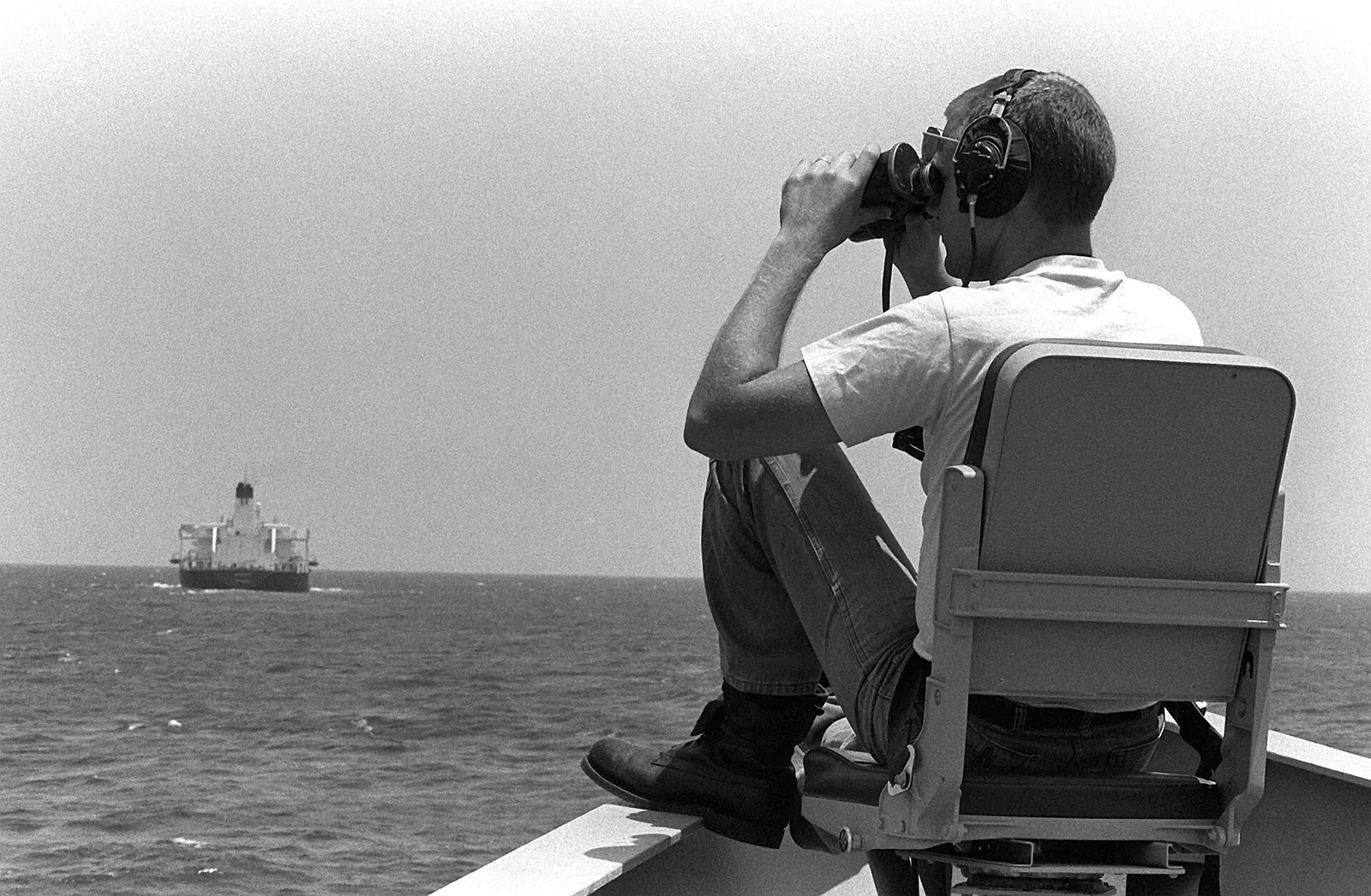
Since reinstating the blockade earlier in the week, U.S. forces have turned back two commercial vessels that tried to run it, while allowing other traffic through. President Trump has said the strait remains open to all shipping except Iran's.
Iran's response and casualty claims
Iran said it retaliated with strikes on U.S. military installations in Kuwait, Bahrain and Jordan, claims that could not be independently verified. Iranian officials also reported significant casualties from the American strikes: a government spokesperson said more than 30 civilians had been killed across southern Iran in recent days, and the health ministry said more than 260 people had been injured, most since discharged. Those figures come from the Iranian government and have not been confirmed by independent sources.
Separately, Iranian cruise missiles struck two oil tankers in the Strait of Hormuz, killing one crew member and injuring eight, according to reports on the attacks, underscoring the danger to the commercial vessels caught in the middle.
The economic squeeze
The fighting continues to reverberate through energy markets. Oil prices have stayed elevated amid the risk to Hormuz shipping, and the disruption has pushed U.S. gasoline prices higher, a burden felt acutely in California, where averages are near the top in the nation. The longer the strait remains a war zone, the greater the pressure on prices at the pump far from the Gulf, including at stations across Los Angeles.
No off-ramp yet
Mediators, among them Qatar and Pakistan, have continued trying to revive talks, but with Trump vowing to keep up the pressure and Iran saying it will not negotiate under bombardment, no breakthrough has emerged. Five days in, the conflict looks less like a flare-up than a grinding standoff, one that neither side appears ready to end. This is a developing story; casualty figures and other details reflect what officials and news organizations had reported as of Wednesday.