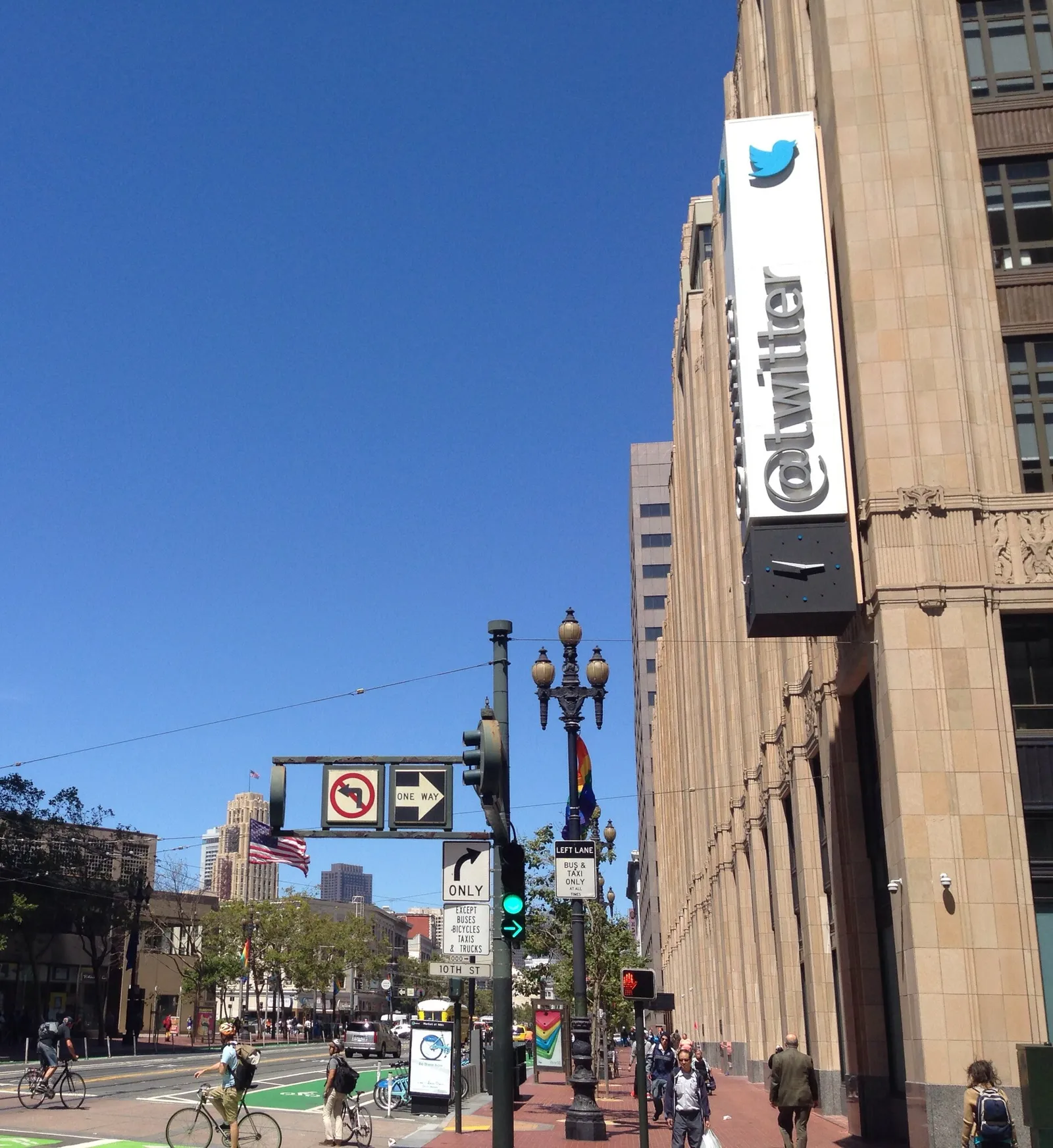
It began with a shrug of a sentence. In March 2006, the co-founder Jack Dorsey typed "just setting up my twttr," and a few months later, on July 15, the service opened to the public. Two decades on, the platform, renamed X but still Twitter to most of the people who lived on it, has become one of the most consequential, and most contested, communication tools of its era.
A megaphone for everyone
Twitter's core idea was almost trivially simple: short public messages, broadcast to anyone. Its power turned out to be anything but. The service compressed the distance between an event and the world's awareness of it, making breaking news a real-time, crowd-sourced affair. It gave social movements a way to organize and to route around official silence, from protest movements abroad to campaigns for justice at home. It nurtured distinct communities, including the cultural force known as Black Twitter, and it became the natural habitat of the meme, where a joke could circle the planet in an afternoon.
It also handed a direct line to the public to anyone with a phone, politicians and provocateurs included. For much of the past decade, no user demonstrated the platform's reach, or its capacity to inflame, more than a sitting American president governing in part through posts.
A business that never quite fit its influence
For all its cultural weight, Twitter struggled as a company. It went public in 2013 but never matched the growth or profits of larger rivals, and it wrestled endlessly with harassment and content moderation. Suitors circled and backed away.
Then, in 2022, Elon Musk did not. He agreed to buy the company for about $44 billion, closing the deal in October of that year and taking it private. What followed was upheaval: mass layoffs, a paid verification model, and, in 2023, a rebranding of the whole service to X that retired the familiar blue bird. Supporters cheered a loosening of moderation; critics saw a slide toward more misinformation and abuse, and a wave of advertisers grew wary.
The ledger at 20
Twenty years in, the balance sheet is genuinely mixed. Twitter democratized publishing and gave ordinary people the ability to reach millions instantly. It made possible forms of solidarity and accountability that did not exist before. It also helped normalize a culture of instant hot takes and enabled coordinated harassment at a scale earlier media never allowed. The same openness that made it powerful made it dangerous.
Today the platform faces competition it did not before, from newer services promising a calmer version of the same idea, and its long-term future under Mr. Musk is uncertain. But its influence is not in doubt. Whatever becomes of X, the way it taught the world to talk to itself, faster, flatter, more publicly, and more combatively, is likely to outlast the company that started it.