

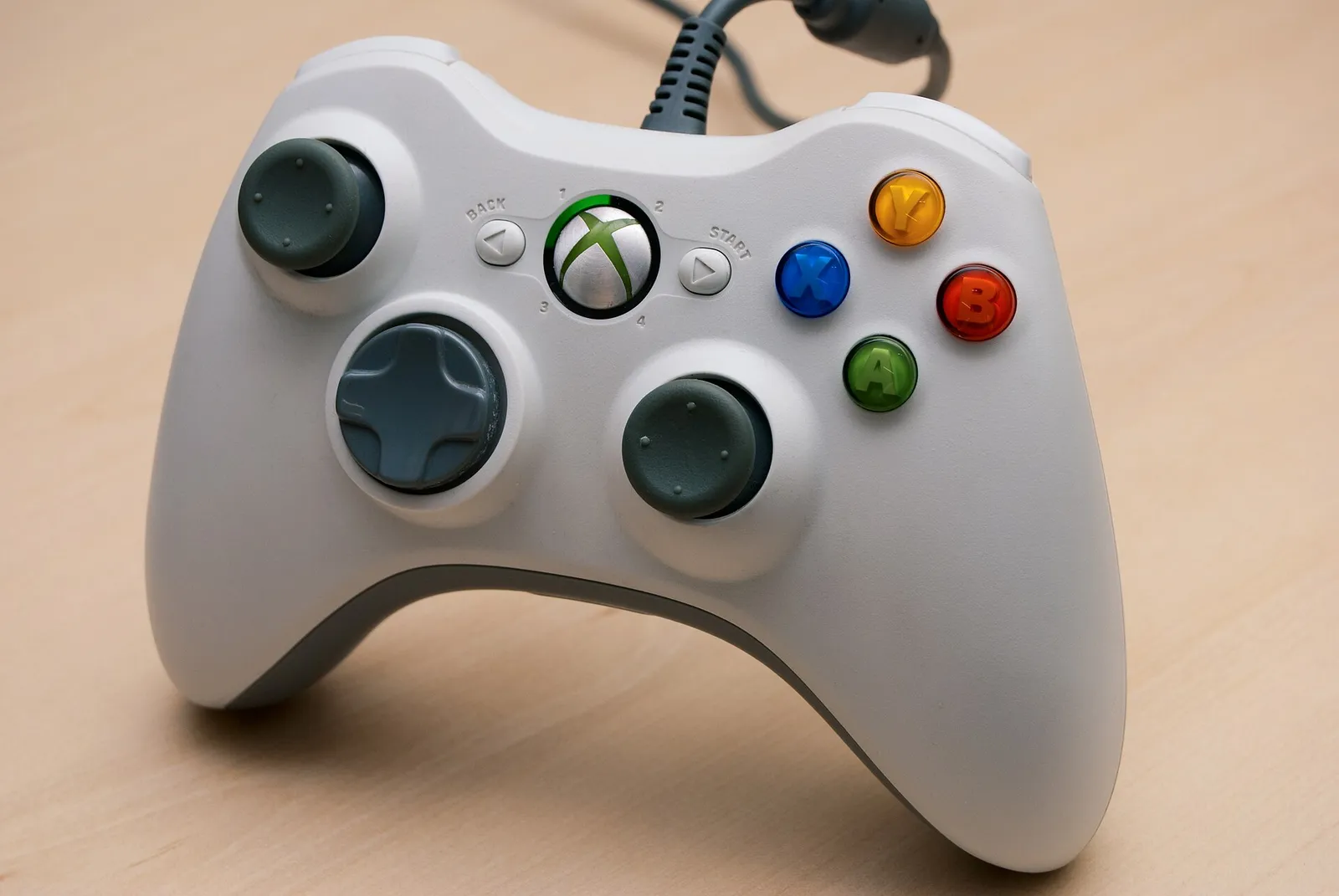
Microsoft's gaming ambitions, built up through years of studio buying and a $69 billion takeover of Activision Blizzard, are being sharply pared back. The company announced on July 6 that it would cut about 4,800 jobs, roughly 2.1% of its workforce, and that its Xbox division would bear the brunt.
The scale of the cuts
Xbox is shedding about 3,200 roles, around 20% of the division, with 1,600 eliminated immediately and another 1,600 to follow through the current fiscal year. Alongside the layoffs, the company said it would spin off four game studios to new owners, a notable reversal for a business that spent recent years absorbing studios rather than shedding them.
Asha Sharma, the new chief executive of Microsoft Gaming, laid out the move in a memo titled "Resetting Xbox." "Our business today is not healthy," she wrote, pointing to weak profitability relative to comparable gaming businesses.
Why now
Microsoft has framed the retrenchment as part of a broader reallocation toward artificial intelligence and its cloud business, where it is spending enormous sums on data centers. Company leaders have said the cuts are about focusing resources on priorities rather than replacing workers with AI outright, but the effect on the games unit is stark: after years of expansion, Xbox is being told to do more with far fewer people.
The layoffs are also the latest in a series. Microsoft has trimmed its gaming ranks repeatedly since the Activision deal closed in 2024, and the wider video-game industry has shed thousands of jobs over the past two years as budgets tightened and post-pandemic growth cooled.
What it means
For players, the immediate consequences are uncertain: spinning off studios can free talented teams to work independently, but it can also throw projects and jobs into limbo. For workers, the "reset" lands as another blow in an industry that has felt like a rolling series of them. And for Microsoft, the move signals that even the deepest pockets in gaming are now prioritizing margins and AI over the empire-building that defined the Xbox strategy just a couple of years ago.