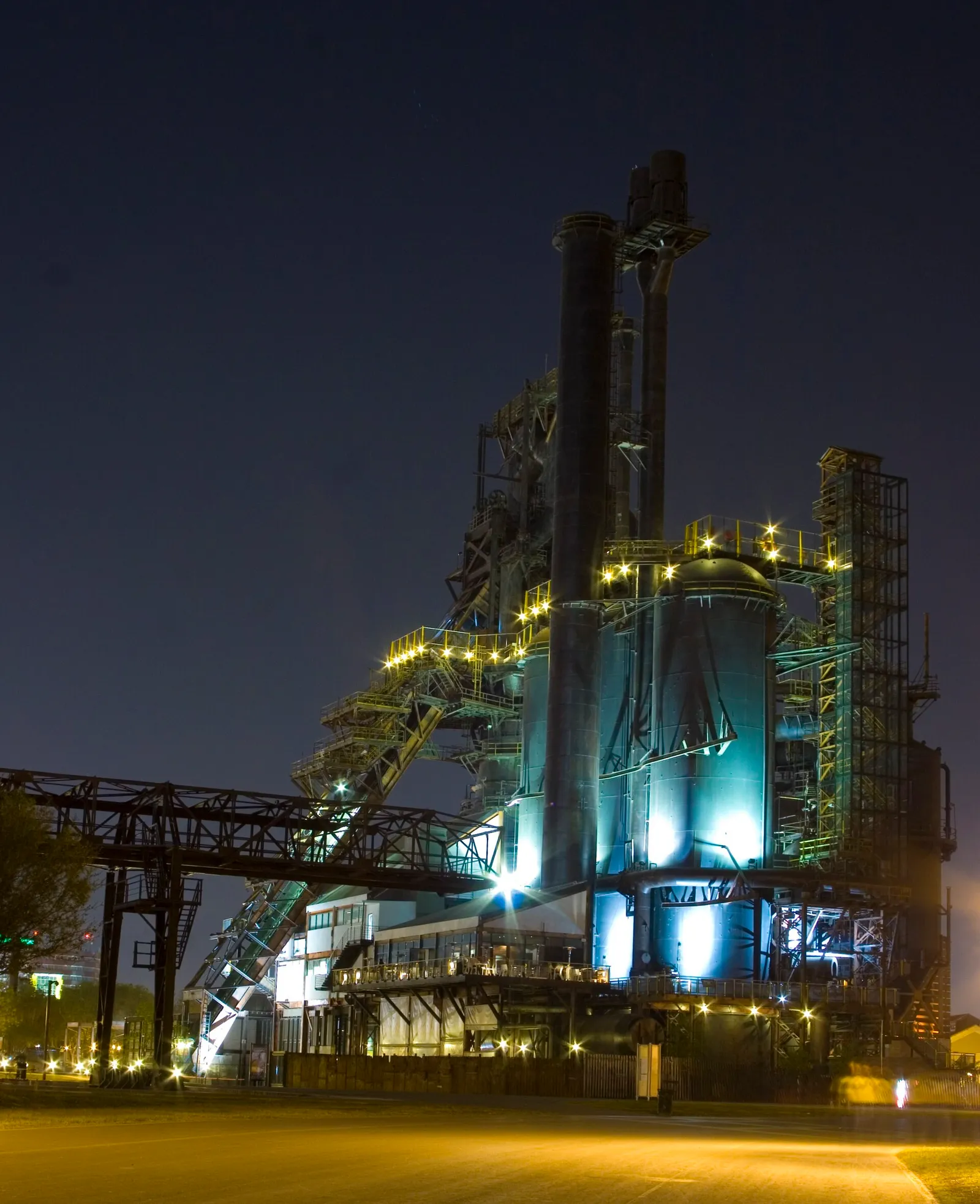
Britain has decided that making steel is too important to leave to the market. In a step almost unheard of in modern British industrial policy, the government has taken British Steel into public ownership, formalizing a rescue that began more than a year ago and cementing the state as the owner of the country's last virgin-steel plant.
From emergency to ownership
The crisis centers on Scunthorpe, in North Lincolnshire, home to the two blast furnaces that let Britain make steel from raw materials rather than only recycling scrap. Their Chinese owner, Jingye, which bought British Steel in 2020, moved in early 2025 to shut the furnaces, citing heavy losses. Losing them would have ended primary steelmaking in Britain and put thousands of jobs at risk.
To stop that, Parliament was recalled on a Saturday in April 2025 to pass emergency legislation giving ministers power to seize operational control of the plant, order raw materials and keep the furnaces lit. That was always a stopgap. This week the government completed the job: with the Steel Industry (Nationalisation) Act receiving royal assent, British Steel passed formally into public hands, and ministers said a new leadership team would try to turn it into a "commercially sustainable, low-carbon enterprise."
Why the government acted
The case for intervention rested on more than jobs, though those mattered: Scunthorpe employs thousands directly and underpins a wider supply chain. Officials argued that a country cannot call itself a serious industrial power, or supply its own defense, railways and construction, if it can no longer make its own steel. Once a blast furnace goes cold, restarting it is enormously costly, so letting the furnaces close would have been effectively irreversible.
Unions welcomed the move as the thing that saved steelmaking at Scunthorpe, while pressing for workers to have a real voice in the nationalized company. Industry groups, too, said state ownership at least brought certainty after months of uncertainty.
The cost, and the disputes
Nationalization does not make the underlying problem disappear. The plant was losing large sums, and keeping it running has already cost the taxpayer heavily, with more spending to come as the government tries to modernize it, most likely by shifting toward cleaner, electric-arc production over time. There is also unfinished business with Jingye, which has argued that its investment was effectively taken and has signaled it will seek compensation.
For Britain, the bet is that owning British Steel, at least for now, is cheaper than the alternative: becoming the only major economy in the world unable to make steel from scratch. It is a wager on industry, and on the idea that some capacities are worth keeping even when they do not pay.