Before there was a Chicano cinema, before "Zoot Suit" lit up a Los Angeles stage or "La Bamba" filled theaters, there was a boy in the fields of Delano. A new documentary, "American Pachuco: The Legend of Luis Valdez," tells the story of how that boy became the artist most responsible for putting Mexican American life at the center of the American stage and screen.
The making of a movement
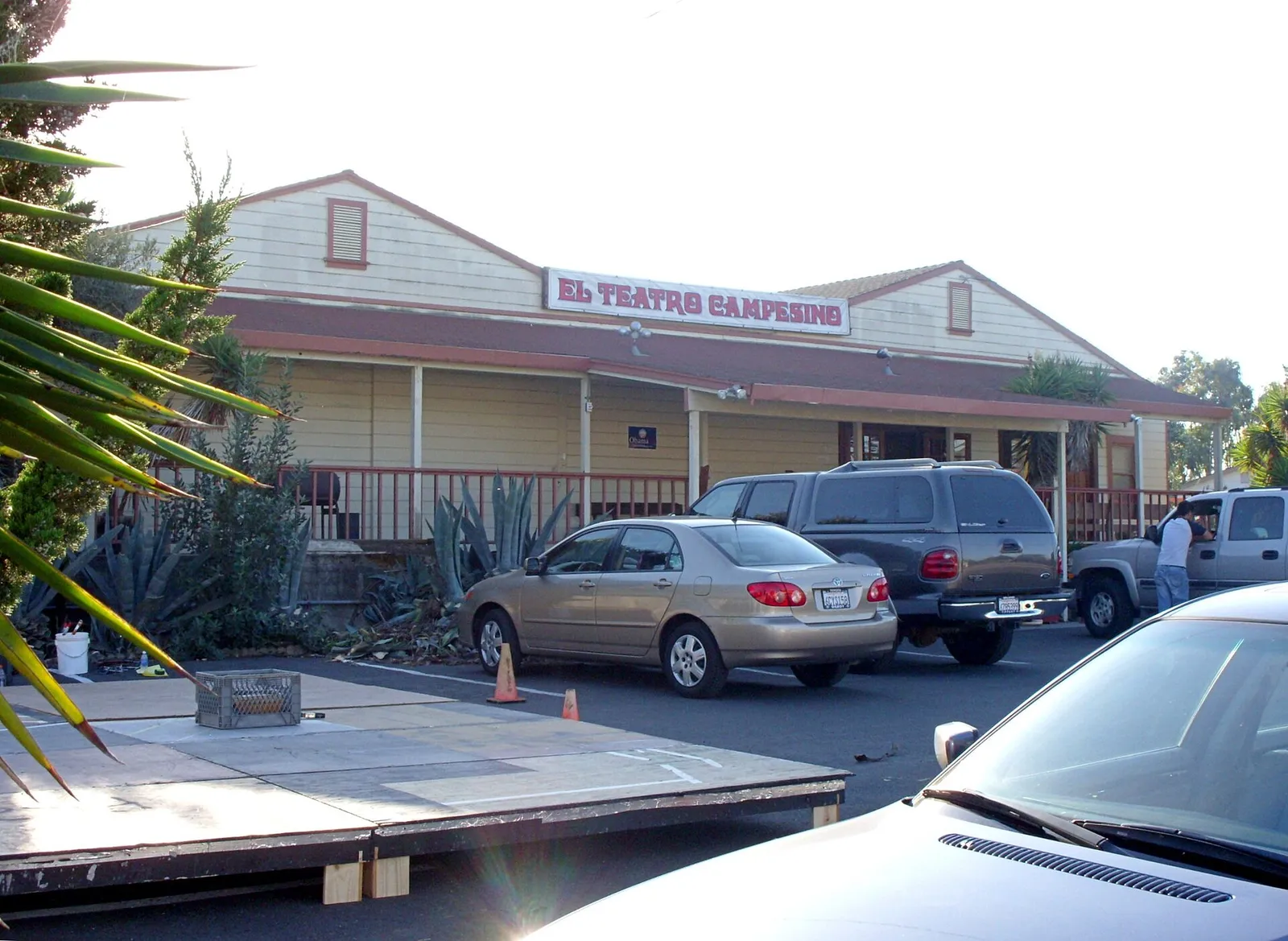
Luis Valdez was born in Delano, California, in 1940, to a family of migrant farmworkers, and grew up moving with the harvests. He found his purpose where his community's fight was. In 1965, as Cesar Chavez and the United Farm Workers launched the Delano grape strike, Valdez founded El Teatro Campesino, the Farm Workers' Theater, with the strikers themselves. Its earliest works were short, sharp sketches, called actos, performed on the backs of flatbed trucks and in union halls, using comedy to explain the strike and rally support.
That company grew into the most influential and longest-running Chicano theater in the country, and it carried Valdez far beyond the fields.
Zoot Suit and La Bamba
His breakthrough came with "Zoot Suit," drawn from a real 1940s Los Angeles murder case and the wartime riots that followed. It became, on its way to Broadway, a landmark of Chicano theater, and Valdez adapted it into a 1981 film starring Edward James Olmos. Six years later, Valdez wrote and directed "La Bamba," the 1987 biography of the Chicano rock-and-roll pioneer Ritchie Valens, a mainstream hit that opened doors in Hollywood for Latino stories and the people who tell them.
For decades, that body of work stood as some of the most visible representation of Mexican American experience in American popular culture, the product of one artist's refusal to wait for permission.
The film, and the honor
The documentary, directed by David Alvarado and built from some 24 hours of interviews with Valdez, now 85, is narrated by Olmos, in the guise of El Pachuco, the sardonic master of ceremonies he played in "Zoot Suit." It premiered at the 2026 Sundance Film Festival, where it won the U.S. Documentary Audience Award, and it is set to reach a national audience this fall as part of PBS's American Masters and VOCES series.
The timing carries its own message. Valdez spent a career pushing against institutions that overlooked artists like him; that his life is now the subject of an American Masters film is a kind of full circle. For Los Angeles and California, where his theater took root and his most famous work is set, the documentary is both a tribute and a reminder: that art made from struggle and community can outlast its moment, and that one stubborn voice can change what the country is willing to see.