The war between the United States and Iran is being fought in the Persian Gulf, but Americans are paying for it at the pump. The national average price of diesel has pushed back above $5 a gallon, a level that ripples far beyond the drivers who buy it.
How high, and where
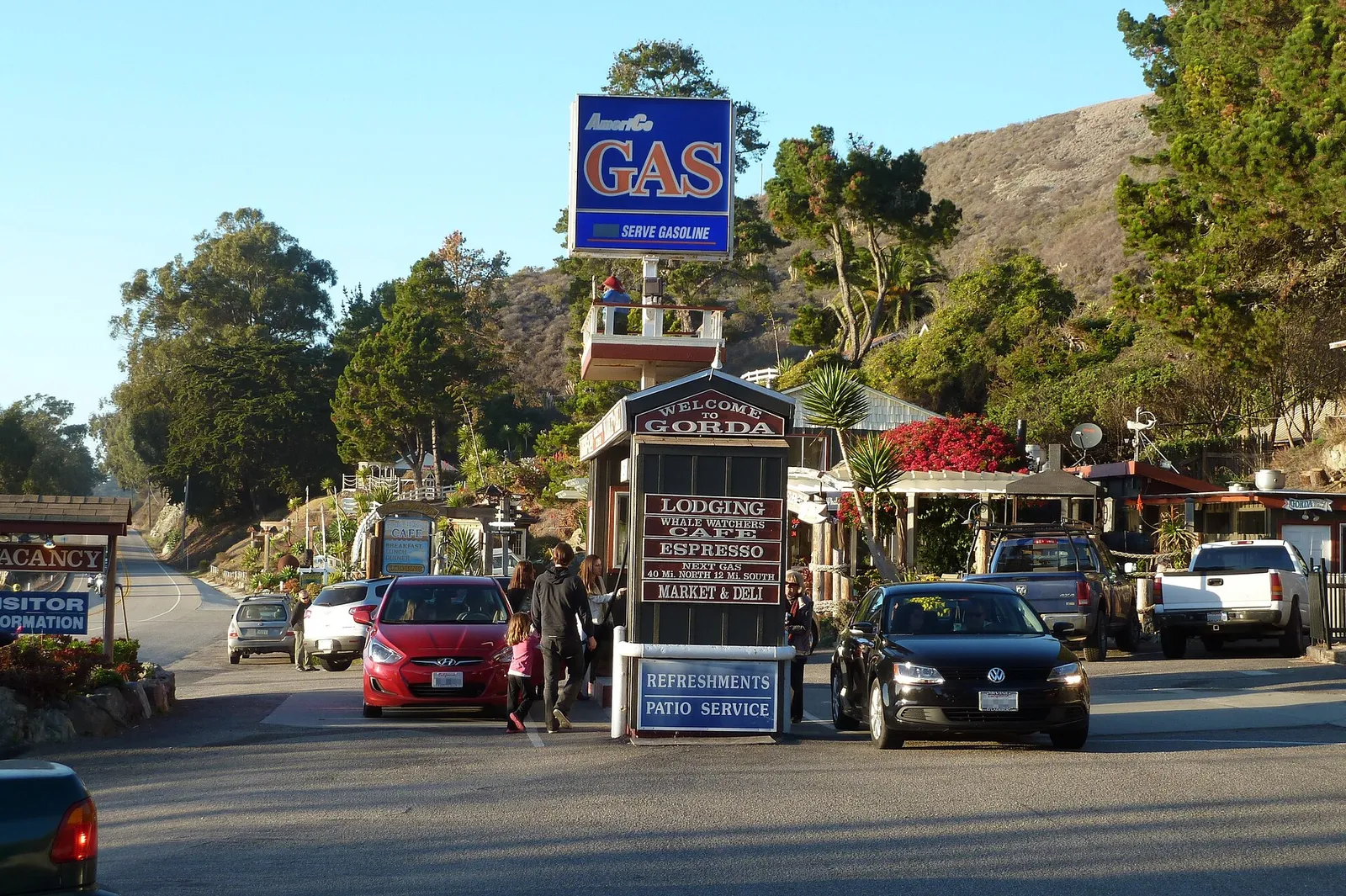
By recent measures diesel has crossed the $5 mark nationally, up roughly a third since the conflict with Iran began, with some trackers putting the average above $5.38. California, which routinely has the country's most expensive fuel, is well ahead of the pack, with diesel running into the $6-a-gallon range. The state's prices are structurally higher for reasons that predate the war, including its cleaner-burning fuel requirements, high fuel taxes and limited local refining capacity, all of which magnify any global shock.
Why the war moves the price
The mechanism runs through the Strait of Hormuz. The narrow waterway between Iran and Oman normally carries a large share of the world's seaborne oil, and the fighting, along with a U.S. naval blockade, has sharply reduced the traffic moving through it. When that much crude is suddenly harder to ship, oil prices rise, and refined products like diesel and gasoline follow. Analysts note the squeeze has been compounded by tight global supply, including a Russian move to curb its own diesel exports.
Why diesel matters more than it looks
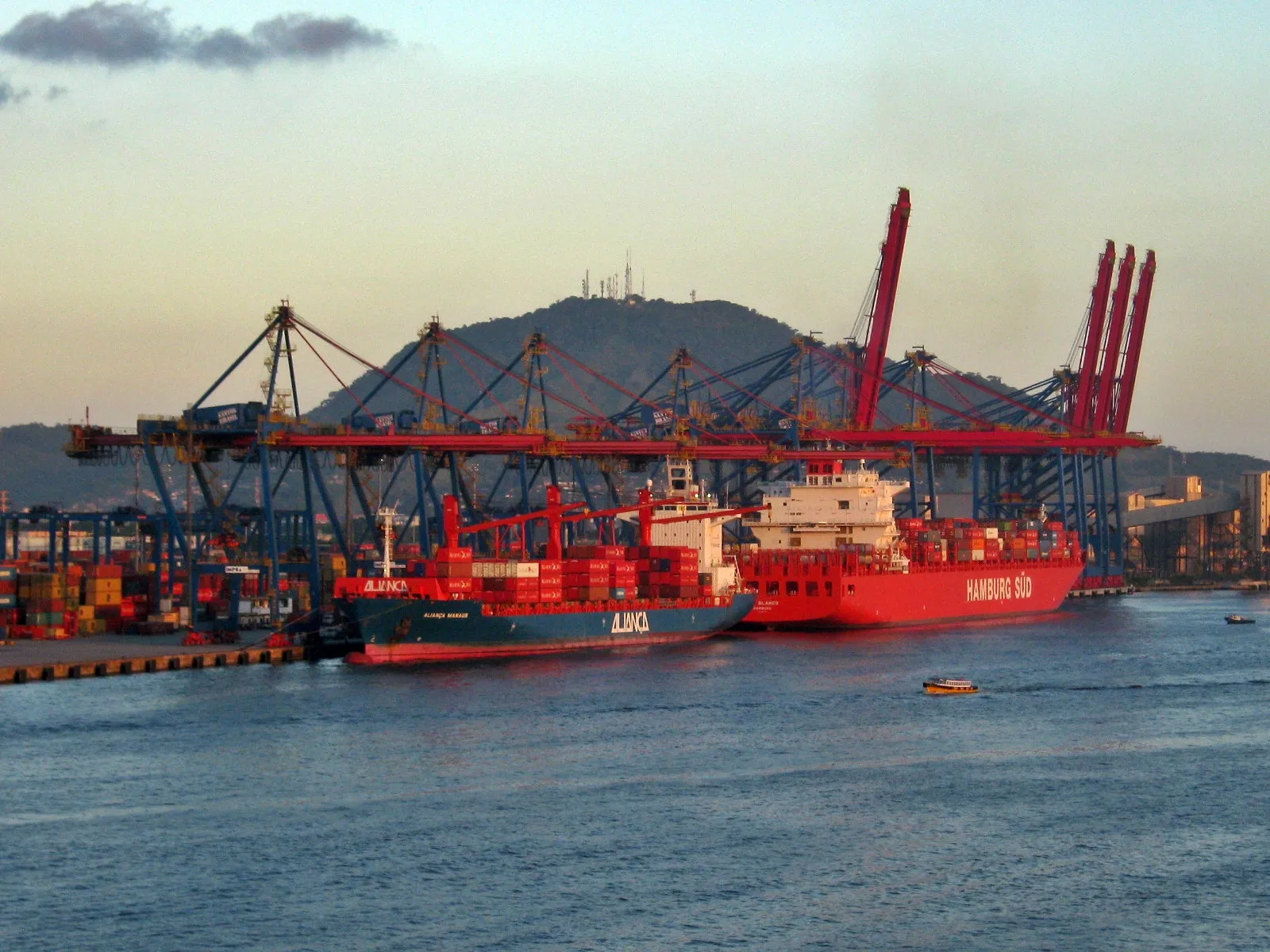
Diesel is the fuel of the economy's plumbing. It powers the trucks, trains and ships that move nearly everything Americans buy, as well as much of farming and construction. When diesel jumps, those higher costs work their way into freight rates and, eventually, into the price of groceries and other goods, a slow-moving tax on households that never buy a drop of it themselves. Trucking companies, especially small operators running on thin margins, feel it first, and some may park trucks or pull back if prices stay high.
What could bring it down
The fastest relief would come from the war itself easing and shipping through Hormuz returning to normal, which would let oil prices, and diesel with them, settle back. Until there is a clear path to that, forecasters expect fuel to stay elevated, keeping pressure on transportation costs and on the broader fight against inflation. For now, the clearest domestic scoreboard of a distant war is the number glowing on the sign at the corner gas station, and in California, it is climbing.