

It was one of the deadliest infrastructure failures in modern European history, and on Thursday it produced one of Italy's most closely watched verdicts. A court in Genoa convicted a group of former executives and officials over the 2018 collapse of the Morandi bridge, ruling that the disaster was not simply an accident but the product of failures that could, and should, have been prevented.
The verdict
The court handed down prison sentences to several defendants tied to the highway operator and to government oversight of it. According to Italian press accounts, the former chief executive of the motorway operator Autostrade per l'Italia, Giovanni Castellucci, received the heaviest sentence, reported at 12 years, with other company managers and transport-ministry officials given shorter terms. Some defendants were acquitted. The case had been enormous, described as one of the largest criminal trials in Italy's history, with dozens of defendants and years of hearings, and prosecutors had sought far longer sentences than the court ultimately imposed.
What happened in 2018
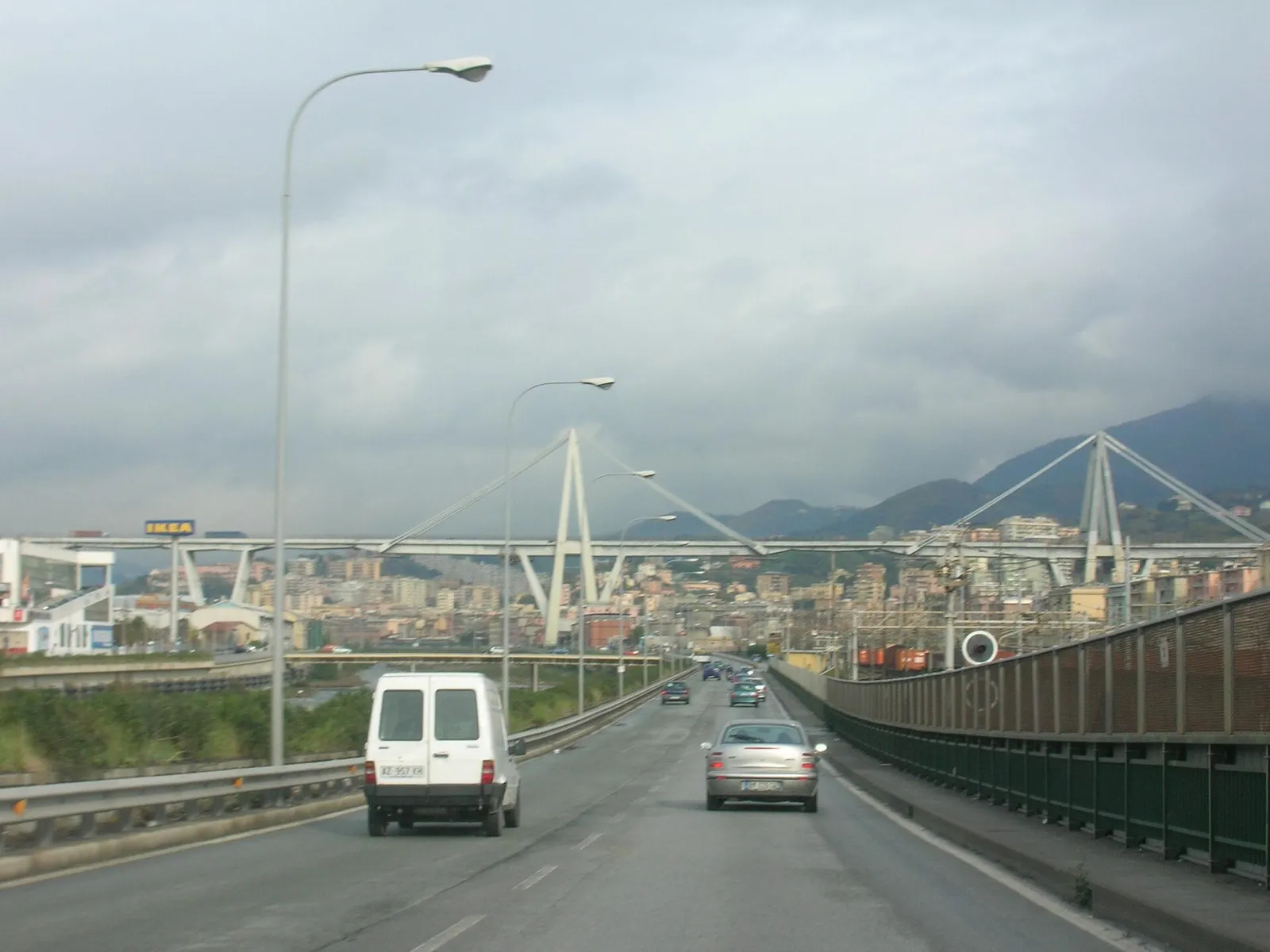
On August 14, 2018, a section of the Morandi bridge, part of the Polcevera viaduct carrying a busy motorway across Genoa, gave way during heavy rain, sending vehicles plunging in a collapse that killed 43 people. The bridge had stood since the 1960s, and investigators later pointed to corrosion of critical load-bearing elements as a central cause, deterioration that prosecutors argued had been inadequately monitored and addressed even as the aging structure carried tens of thousands of vehicles a day.
The families
For the relatives of the dead, the trial was never only about the engineering. Victims' groups have pressed for years to establish that the collapse resulted from decisions and omissions, not misfortune, and to see that recognized in a courtroom. Their response to the verdict was measured: relief that responsibility had been assigned, tempered by the acquittals and by sentences that, to some, fell short of the loss. Their central demand throughout has been simple, that the deaths be acknowledged as preventable, and that the failures behind them be named.
The wider lesson
The Genoa case has become a reference point in a debate that reaches well beyond Italy: who is accountable when critical public infrastructure, often aging and privately operated, fails with deadly results. The collapse forced Italy to confront the condition of bridges and viaducts across the country and reshaped the politics of its motorway concessions. Thursday's verdict, arriving nearly eight years on, offers a legal answer to part of that question, even as the broader challenge, keeping such structures safe, remains.