

For decades, international students in the United States have been admitted for the length of their studies, free to stay as long as they remained enrolled. A new federal rule would end that, replacing open-ended stays with a hard clock.
What changes
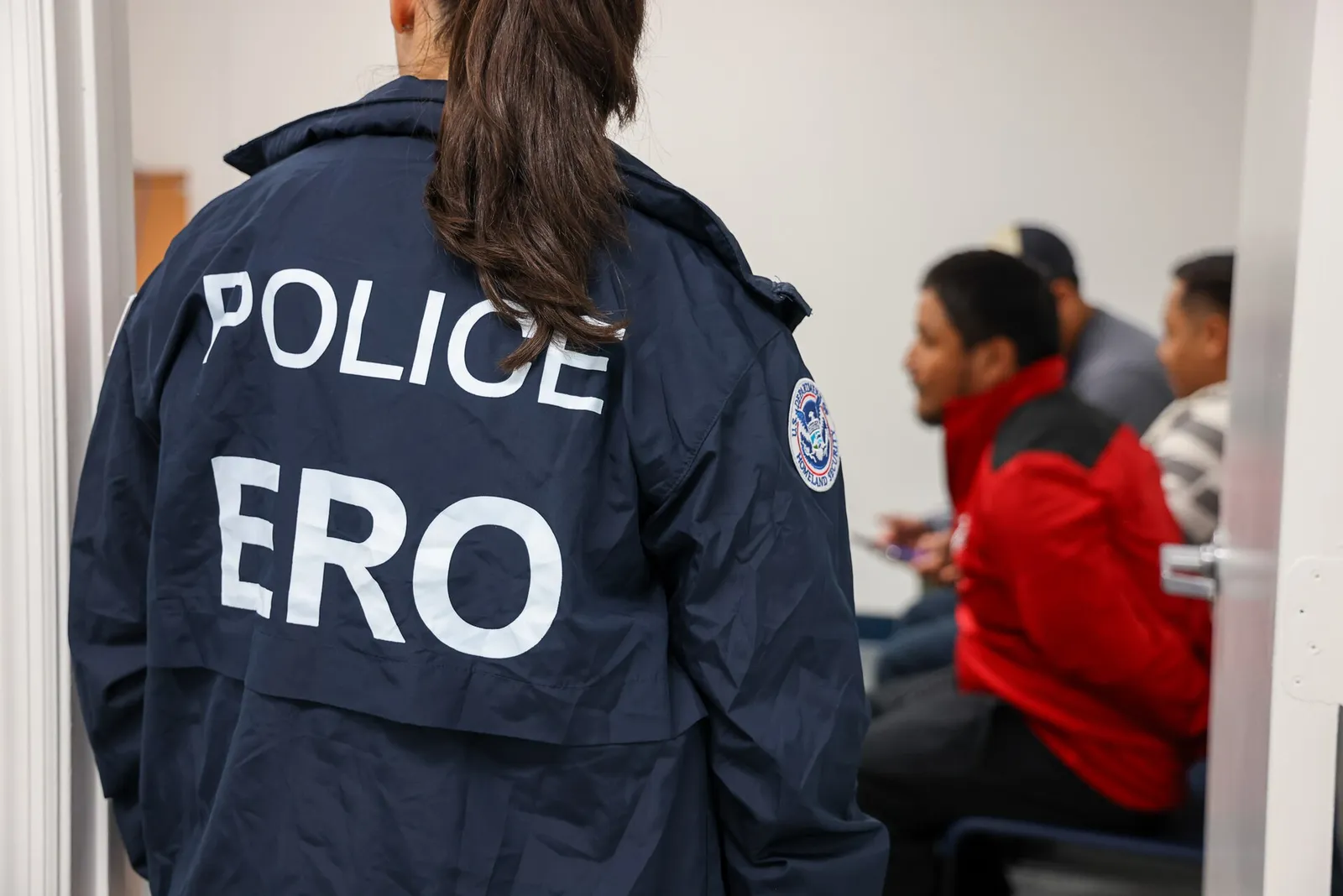
Under the Department of Homeland Security rule, students on F-1 visas and exchange visitors on J-1 visas would be admitted for a fixed term of no more than four years, instead of the longstanding "duration of status" that let them remain for as long as their program lasted. Foreign journalists on I visas, which can currently run for years, would be limited to up to 240 days, or 90 days for Chinese nationals. Visa holders who need more time could apply for extensions. DHS has justified the change as a matter of oversight, saying the growing number of long-term visitors strains its ability to monitor them. The rule is set to take effect 60 days after it is published.
Why universities object
For higher education, the four-year cap collides with how graduate study actually works. Doctoral programs commonly run longer than four years, meaning many students would have to seek at least one extension midway through a degree, adding cost, paperwork and the risk of a gap if approval is slow. University groups argue that international students are already among the most closely tracked people in the country, and that the rule solves a monitoring problem they say is not clearly there while introducing real uncertainty into recruitment and research.
The California stakes
No state has more riding on the outcome than California, which hosts more international students than any other. California Attorney General Rob Bonta, opposing the rule, said international students contributed about $6.4 billion to the state's economy and supported tens of thousands of jobs in a recent year, and warned that fewer of them would mean less tuition revenue, thinner course offerings and a hit to the global standing of California's universities. Beyond the economics, students and faculty worry the change would make the United States a less attractive place to study just as competitors court the same talent.
The press-freedom concern
The journalist limits have drawn a separate alarm. Press-freedom organizations warn that tying foreign correspondents to short, renewable terms hands the government leverage over coverage, since a visa up for frequent renewal could, in practice, become a lever to reward or punish reporting. Advocates say that risk, whether or not it is ever used, is itself corrosive to a free press.
What's next
The administration casts the rule as basic control over who is in the country and for how long. Its critics, from university associations to state attorneys general to press-freedom groups, argue it is a solution in search of a problem that will damage American research, journalism and the country's appeal to the world's students. With legal challenges expected, the fixed clock the rule imposes may not start ticking without a fight.