

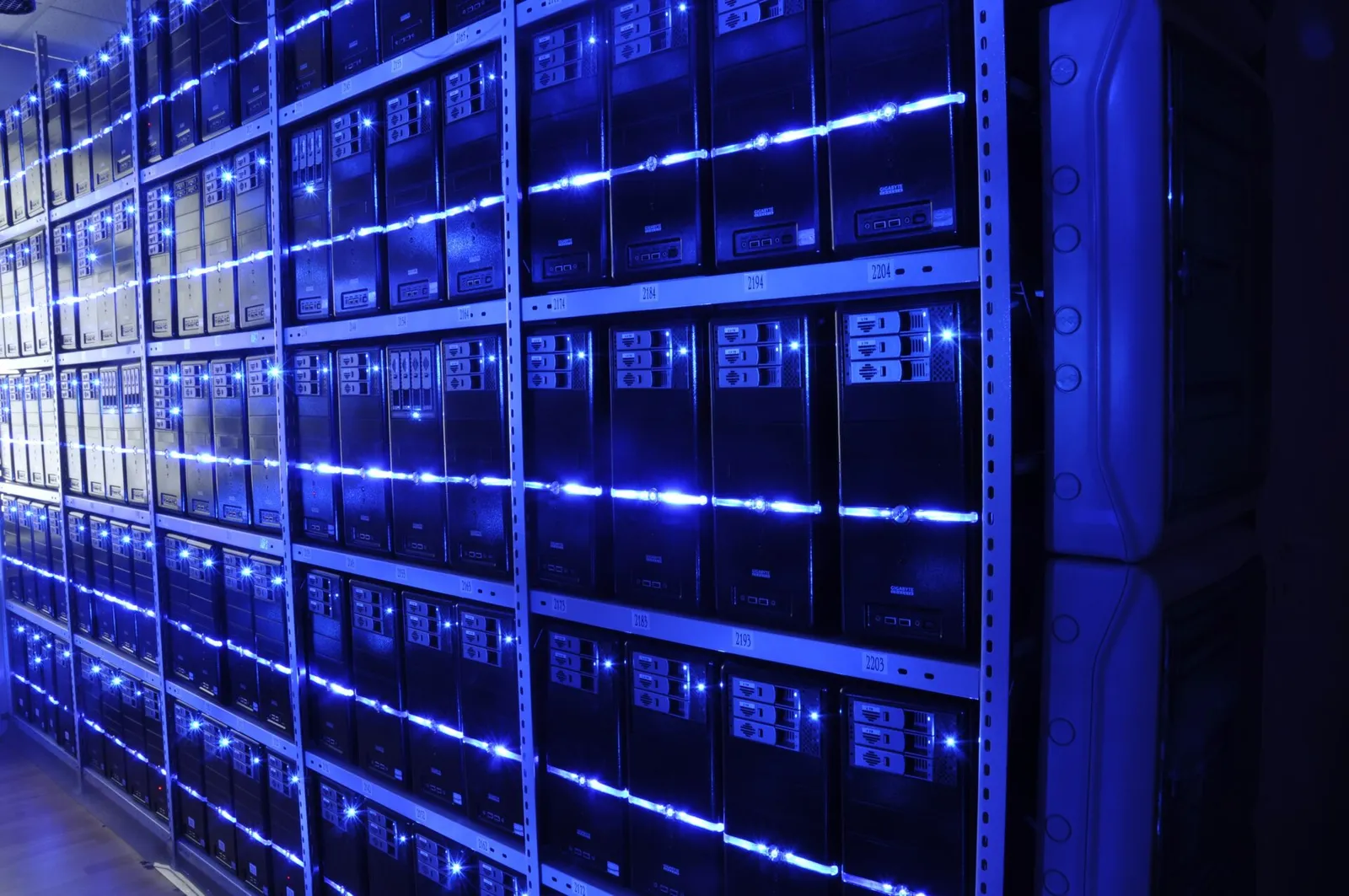
The computers that power artificial intelligence are enormously thirsty and hungry, drinking water to stay cool and drawing electricity by the gigawatt. Australia has decided to do something few governments have tried: make the companies that build them pay their own way.
The plan
Prime Minister Anthony Albanese's government said it would legislate environmental standards for large new data centers, with a framework to be introduced in early 2027. Under the proposal, operators of big AI data centers would have to secure their own new clean-energy supplies rather than draw down the existing grid, effectively requiring them to add as much power as they consume, and to cover the full cost of connecting to the network so that households and other businesses do not end up subsidizing them. The rules would also press operators to minimize water use and pay for any additional water infrastructure their facilities demand. Notably, data centers already under construction would be exempt, a carve-out that environmental groups criticized as leaving a large loophole.
Why Australia
The logic is rooted in geography. Australia is among the hottest and driest inhabited continents, and its cities face real limits on water and, at times, strained power grids. Officials have warned that the wave of data centers planned around Sydney could, over the coming decade, lay claim to a significant share of the city's water, and that the sector's share of national electricity demand could climb steeply as AI spreads. Mr. Albanese's government has cast getting ahead of that now, before the infrastructure is locked in, as both an environmental and an economic necessity.
A global backlash, with a California echo
Australia is not acting in a vacuum. Around the world, communities and lawmakers have grown wary of the data-center rush, alarmed by its appetite for water and electricity and by rising utility bills. In the United States, the concern is especially sharp in the West. California, chronically short of water and grappling with high power costs, has struggled to write rules of its own: the state has wrestled with a lack of transparency about how much water and electricity data centers actually use, and an effort last year to tighten oversight stalled. The parallels are hard to miss, a hot, dry, tech-heavy place trying to reconcile its ambitions in artificial intelligence with the physical limits of the land it sits on.
What's next
The proposal still has to become law, and the details, including how strictly the "net new power" requirement is defined and enforced, will shape how much it actually changes. Industry groups have warned that heavy-handed rules could deter investment in a fast-growing sector, while environmentalists argue the 2027 timeline and the exemption for projects already underway blunt the policy's force. Either way, Australia has staked out a clear position in a debate that is coming, one way or another, to every place the AI build-out reaches, including Los Angeles and the rest of California.