A familiar Los Angeles argument is playing out again on Pico Boulevard, where the city's effort to make a dangerous street safer for people on foot and on bikes is running into the worry that has stalled such projects before: what it might do to the businesses along the way.
The safety case
The city's transportation department is moving ahead with a redesign of a roughly 3.5-mile stretch of Pico that would add protected bike lanes and reconfigure the street, narrowing car lanes and adding a center turn lane. Officials point to a grim record on the corridor, dozens of severe crashes over the past decade, with pedestrians bearing the brunt of the deaths, and argue that slowing traffic and separating cyclists from cars is the proven way to bring those numbers down. The department says its outreach reached thousands of people and that a large majority of survey respondents backed the safer design.
The merchants' worry
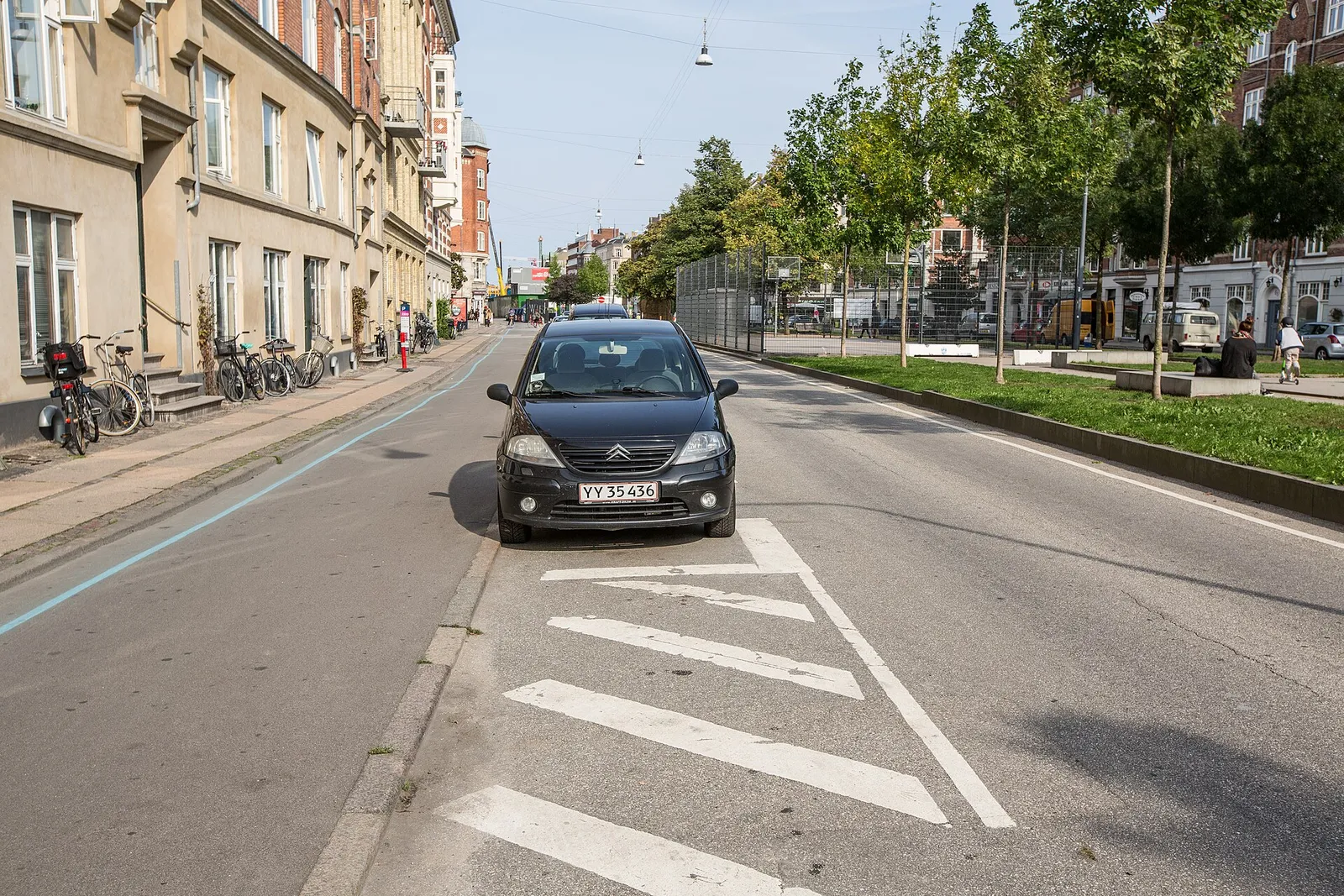
The friction comes from what the redesign takes away: street parking. Making room for the bike lanes would remove a large share of the parking along the route, and some business owners say that curbside access is a lifeline, especially for small shops still rebuilding their customer base. Their fear, echoed in many similar fights across the city, is that customers who cannot park out front will simply go elsewhere, to businesses with their own lots. The city says it will try to soften the blow with new loading zones, added parking on side streets, and the removal of some peak-hour parking restrictions, though those measures would not fully replace what is lost.
The bigger picture
The dispute is a local version of a citywide reckoning. Los Angeles adopted its "Vision Zero" goal of eliminating traffic deaths back in 2015, but the toll has gone up, not down, in the years since, and audits have faulted the city for slow, uneven follow-through. Advocates argue that projects exactly like the one on Pico, protected lanes, calmer traffic, safer crossings, are what the goal actually requires, and that repeatedly trading them away to preserve parking is why the deaths keep climbing. Merchants counter that safety plans should not come at the expense of the small businesses that give a boulevard its life.
Both things can be true, which is what makes these fights so hard. The Pico project now heads toward construction, and how the city balances the street's safety against its storefronts will be watched as a test of whether Los Angeles can finally deliver on a promise it made more than a decade ago.