


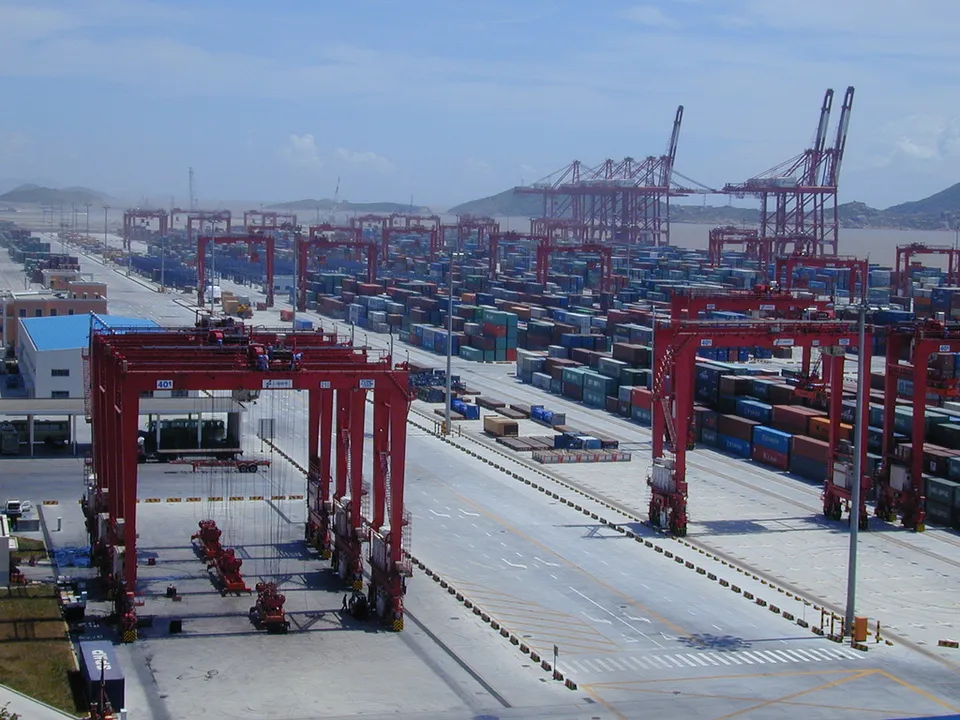
A modest uptick in China's factory gauge carried an outsized message: the world's workshop is leaning, again, on exports.
A pickup on the factory floor
China's official manufacturing purchasing managers' index rose to 50.3 in June from 50.0 in May, beating forecasts of about 50.1, CNBC reported, citing the National Bureau of Statistics. For readers new to the gauge: the PMI is a monthly survey of factory purchasing managers, and any reading above 50 signals expansion while below 50 means contraction. June's print suggests industry picked up speed after barely treading water a month earlier. The non-manufacturing index, covering services and construction, edged up to 50.2, and the composite measure rose to 50.6, per Reuters via Yahoo Finance.
Tech orders, and a rush to beat tariffs
The standout driver was external demand, especially for high-tech exports. A global buildout of artificial-intelligence infrastructure has fueled appetite for the servers, components and electronics Chinese factories supply in bulk; one major bank recently raised its forecast for China's export growth this year, citing AI investment, clean-energy gear and electric vehicles. A second tailwind was front-loading: a 90-day U.S.-China tariff truce reached in the spring prompted importers to rush orders before conditions could shift again, padding order books through June.
The catch
Analysts cautioned that the headline beat flatters a lopsided recovery. Economists at Capital Economics noted the improvement was "particularly pronounced for export orders," Investing.com reported, while domestic demand stayed soft. Beneath the surface, factory-gate prices have been falling for more than two years, squeezing margins, and the property slump that long underpinned Chinese household spending grinds on, leaving consumers cautious. Strong overseas sales are filling the gap — but they are not the rebalancing toward domestic consumption that Beijing has sought.
What comes after the truce
The tariff truce expires in coming weeks. If talks stall and U.S. levies snap back toward their earlier highs, the front-loading that boosted June could reverse just as quickly, economists warned — a risk with real consequences far from China. For Los Angeles importers and the logistics firms that move trans-Pacific cargo through the region's ports, the next round of trade negotiations may matter as much as any single month's factory survey.