

One of the most candid corporate admissions of AI's current limits came this week from an automaker that had wagered on the technology — and walked it back.
The miscalculation
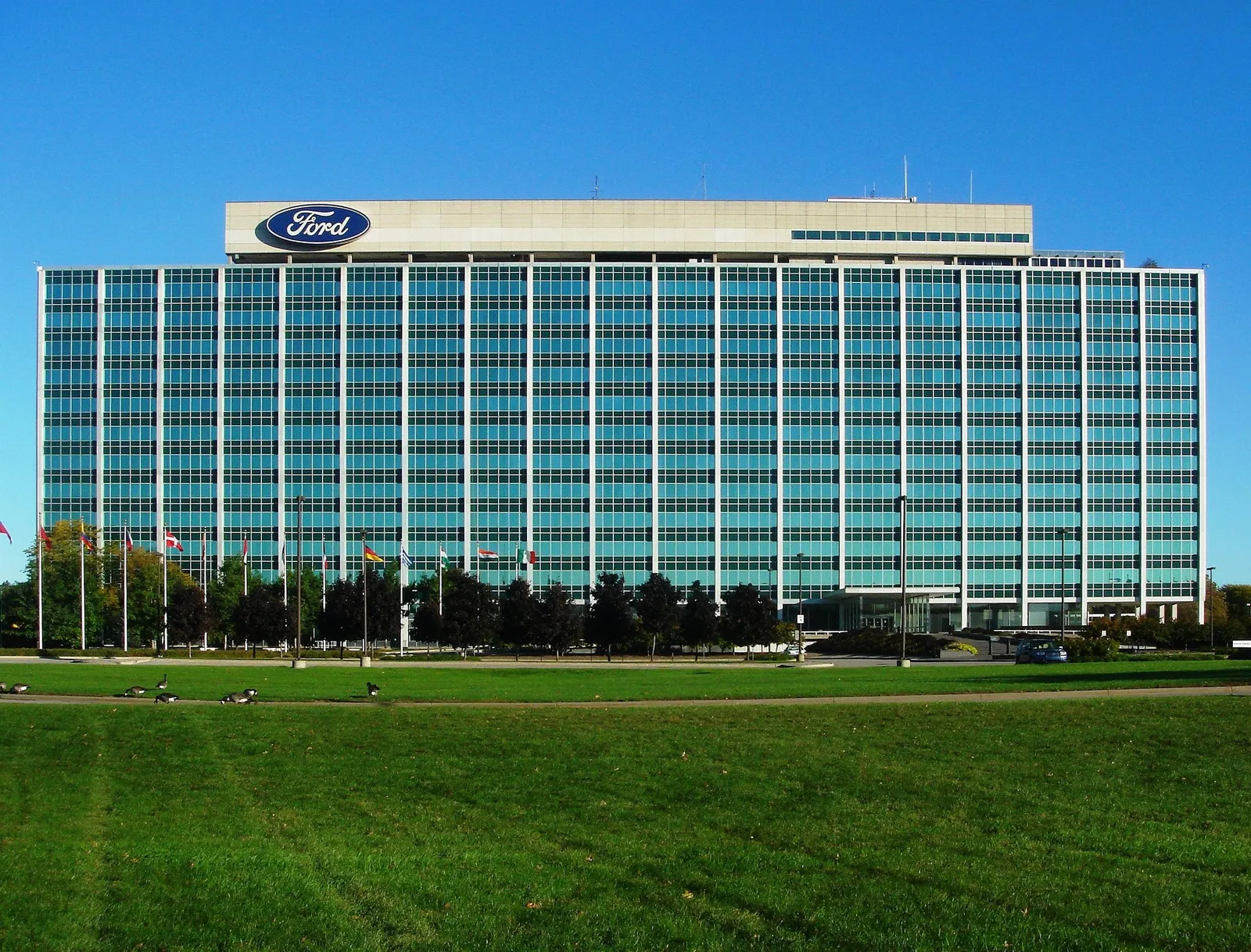
Ford had assumed AI-assisted design tools and automated inspection could maintain its quality standards, the company's vice president of vehicle hardware engineering, Charles Poon, told reporters at a late-June briefing. "Mistakenly, we thought that by just introducing artificial intelligence and adjusting the design requirements that we had, that that would produce a high-quality product," Poon said. The consequences showed up in the data: Ford issued one of its highest recall totals on record in 2025 and absorbed billions in recall-related costs, while its standing slipped in J.D. Power's closely watched quality rankings. A core problem was timing — experienced engineers left, through attrition and broader workforce cuts, before their institutional knowledge could be captured to train the AI systems meant to replace them.
Bringing the veterans back
Ford's correction took the form of a quiet, multi-year recruiting effort: over roughly three years it brought in about 350 veteran engineers and technical specialists — some former employees, some pulled from suppliers — to lead quality reviews, mentor younger staff and, critically, retrain the underperforming AI tools, Fortune reported. The group earned the nickname "gray beards" for their accumulated experience. Their job, Chief Operating Officer Kumar Galhotra said, is to "hunt for failure points before a part ever reaches the plant floor." Poon framed AI's limits plainly: "Artificial intelligence is a fantastic tool, but it's only as good as the information you use to train it."
What Ford is — and isn't — saying
It is worth being precise. Ford has not described its broader workforce reductions since 2020 as an explicit AI-replacement strategy, and the 350 rehires are a targeted quality initiative, not a retreat from automation. The company says it has simultaneously added more than 100,000 new AI-powered tests to stress its software — the vision is human expertise paired with machine scale, not one replacing the other. Chief Executive Jim Farley, who has separately predicted AI could displace half of white-collar jobs, struck a humbler note at the briefing, crediting the quality turnaround to "old-fashioned hard work" and "hundreds and hundreds of millions of dollars" in reduced warranty and recall costs. Ford rose to the top of J.D. Power's mainstream-brand quality ranking in 2026, its best showing in years.
A lesson for the AI moment
Ford's experience is becoming a case study in the gap between AI's promise and its practical limits in high-stakes manufacturing. Skilled quality engineering is not data entry: it draws on years of pattern recognition, supplier relationships and failure-mode intuition that resist easy formalization in a training set. The detour was expensive, and Ford's candor stands out in an industry still largely gripped by AI optimism. For workers weighing their odds against automation, the gray beards offer a complicated reassurance — human expertise still matters, at least until the machines are fed enough of it.