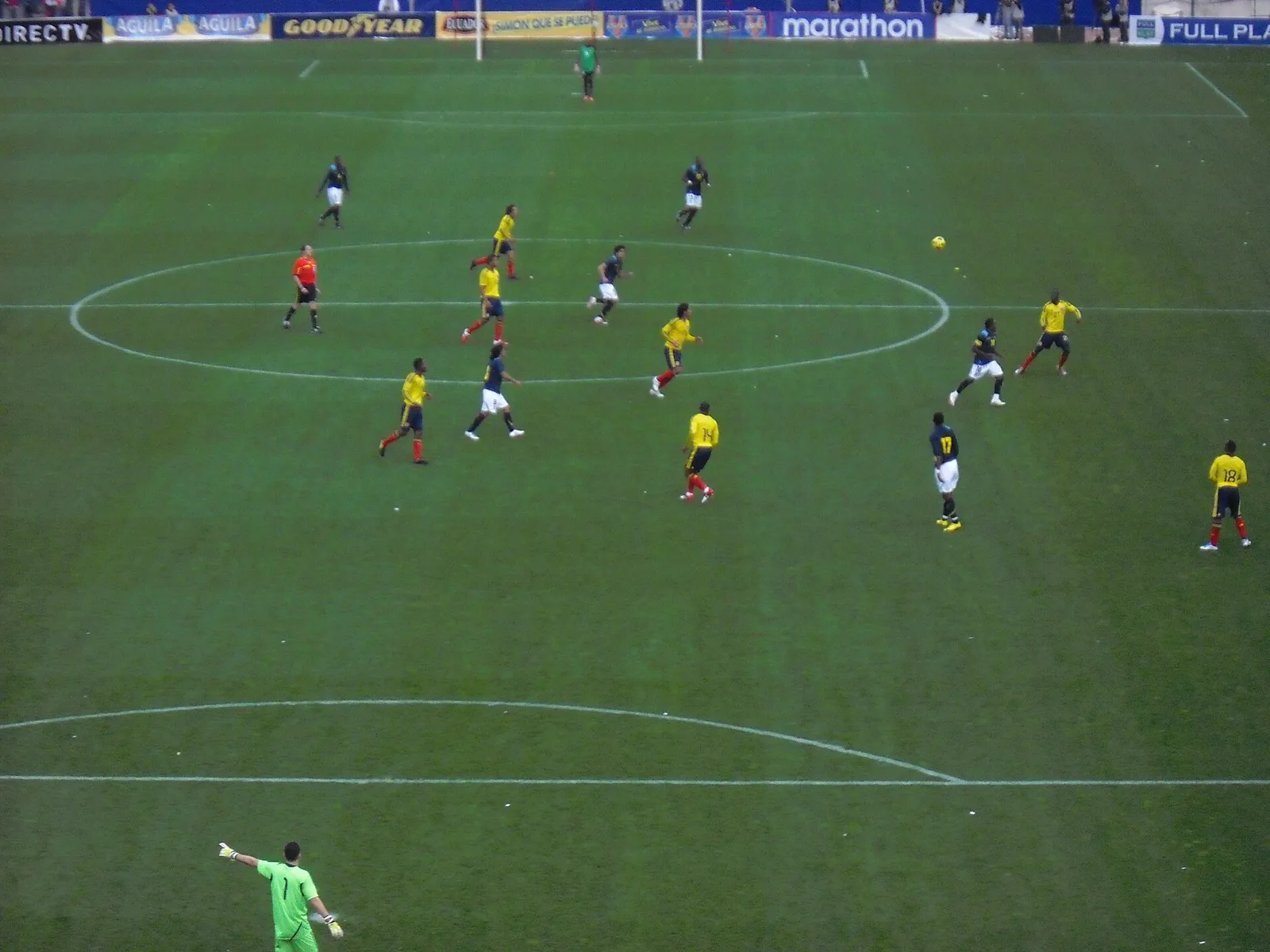
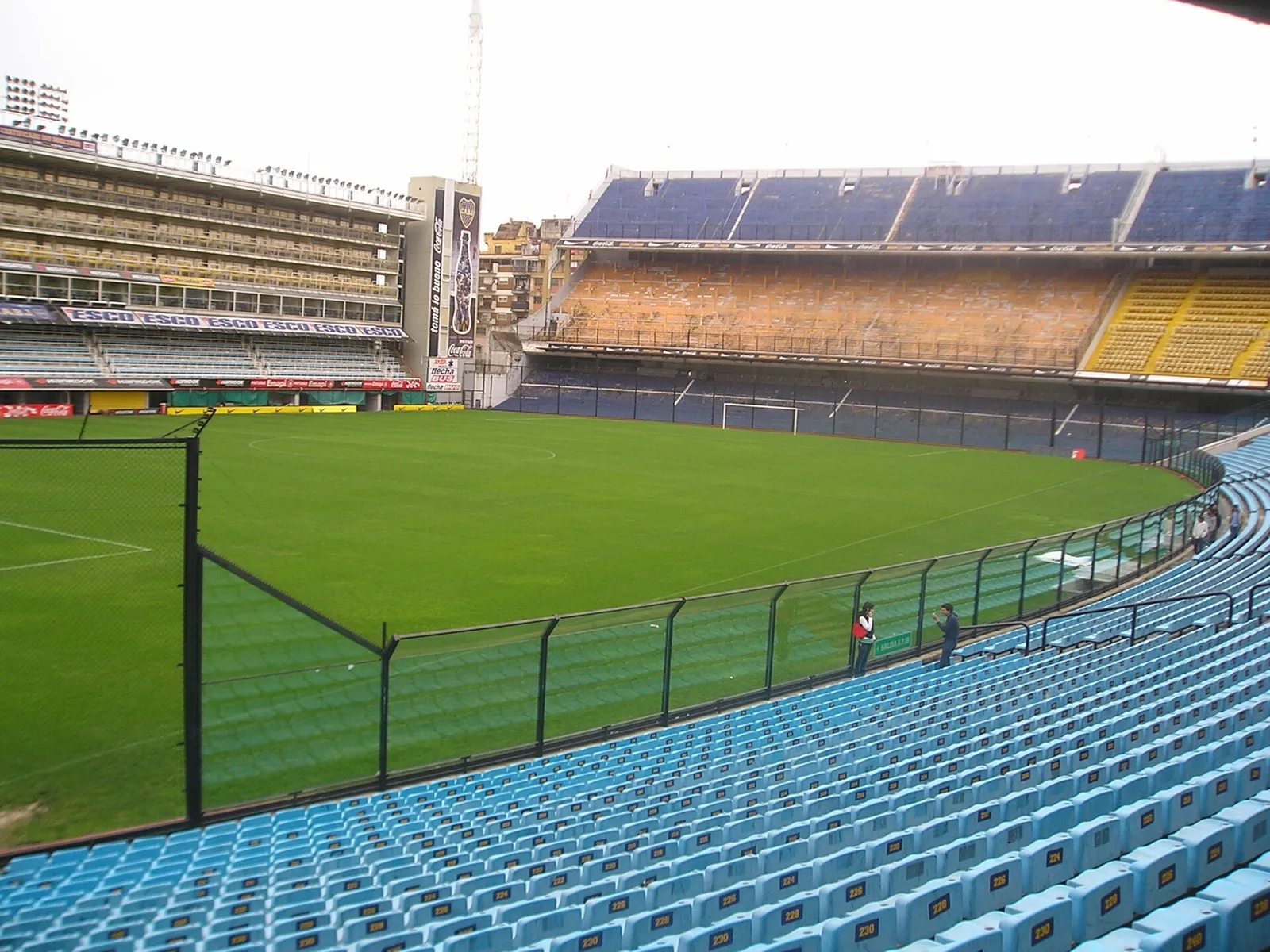
Before there are coaches, contracts or scouts, there is the potrero — the dirt lot, the cracked alley, the scrap of park wedged between apartment blocks. For more than a century, Argentina's footballers have learned the game in these unstructured spaces, where the only rule is that the ball keeps moving. It is, in a sense, the country's true national academy.
"La nuestra" and the street
Argentine football has long prized a style its supporters call la nuestra — "our way" — built on dribbling, improvisation and individual flair within a team. The ideal took root in the early twentieth century and has been handed down through generations of street players who never waited for an adult to tell them what to do. The romance of the potrero is not pure myth: unstructured, creative play really is woven into the country's footballing identity.
Lionel Messi is the clearest product of that culture. He began playing as a small child in his native Rosario and joined the youth ranks of Newell's Old Boys at age seven, where he became part of a celebrated junior team. When Barcelona signed him at 13 — and paid for treatment of a diagnosed growth-hormone deficiency — they were importing a talent first shaped on Argentine ground.
The academy machine
Beyond the street, Argentina's professional clubs run the institutional half of the pipeline. The biggest names — River Plate, Boca Juniors, Independiente, Racing — operate residential youth academies, known as pensiones, where promising boys from the provinces live and train, often far from their families. The scale is striking: a review by the country's professional league counted more than 1,000 boys, some as young as 10, living in club-run academies, with more in privately run facilities around Buenos Aires.
The odds inside that system are steep. Former Argentina international Pablo Zabaleta has recalled that only a handful of the roughly 300 boys in his academy cohort went on to professional careers. For every Messi, thousands arrive chasing the same dream and leave without it.
A culture under scrutiny
That human arithmetic is now drawing harder questions. An ESPN investigation into Argentina's development system reported that many young players, especially in privately run academies outside the clubs, live with little oversight and pay steep monthly fees while earning nothing until they reach a professional roster. The reporting described a system that has historically operated with scant regulation of the welfare of the children inside it, and detailed cases that prompted criminal investigations and calls for reform.
Officials quoted in that investigation acknowledged how difficult change has been in a country where, as one prosecutor put it, "fútbol is sacred." Reform has been incremental: Buenos Aires moved in late 2025 to set basic standards for academies within city limits, though the rules do not reach the surrounding province where many facilities sit. The Herald could not independently verify the current status of national reform efforts.
The unresolved question
None of this erases the genuine brilliance Argentine football culture has produced, nor the real role that creative, unstructured play has had in shaping it. Those features are documented and durable, validated by coaches, by the country's record on the field, and by the steady supply of talent that reaches Europe each year.
But the pipeline that carries a child from a dirt lot to a World Cup squad runs through a system with almost no safety net for the many who never make it. As Argentina's stars again light up a World Cup, the question its football is only beginning to confront is not how the country keeps producing champions — but what it owes the boys who do everything right and still go home.