

Some football grudges are about a single goal, a red card, a penalty. The one that hangs over Algeria and Austria at the 2026 World Cup is about something stranger: a match in which, for eighty minutes, almost nobody tried to score at all.
What happened at Gijon
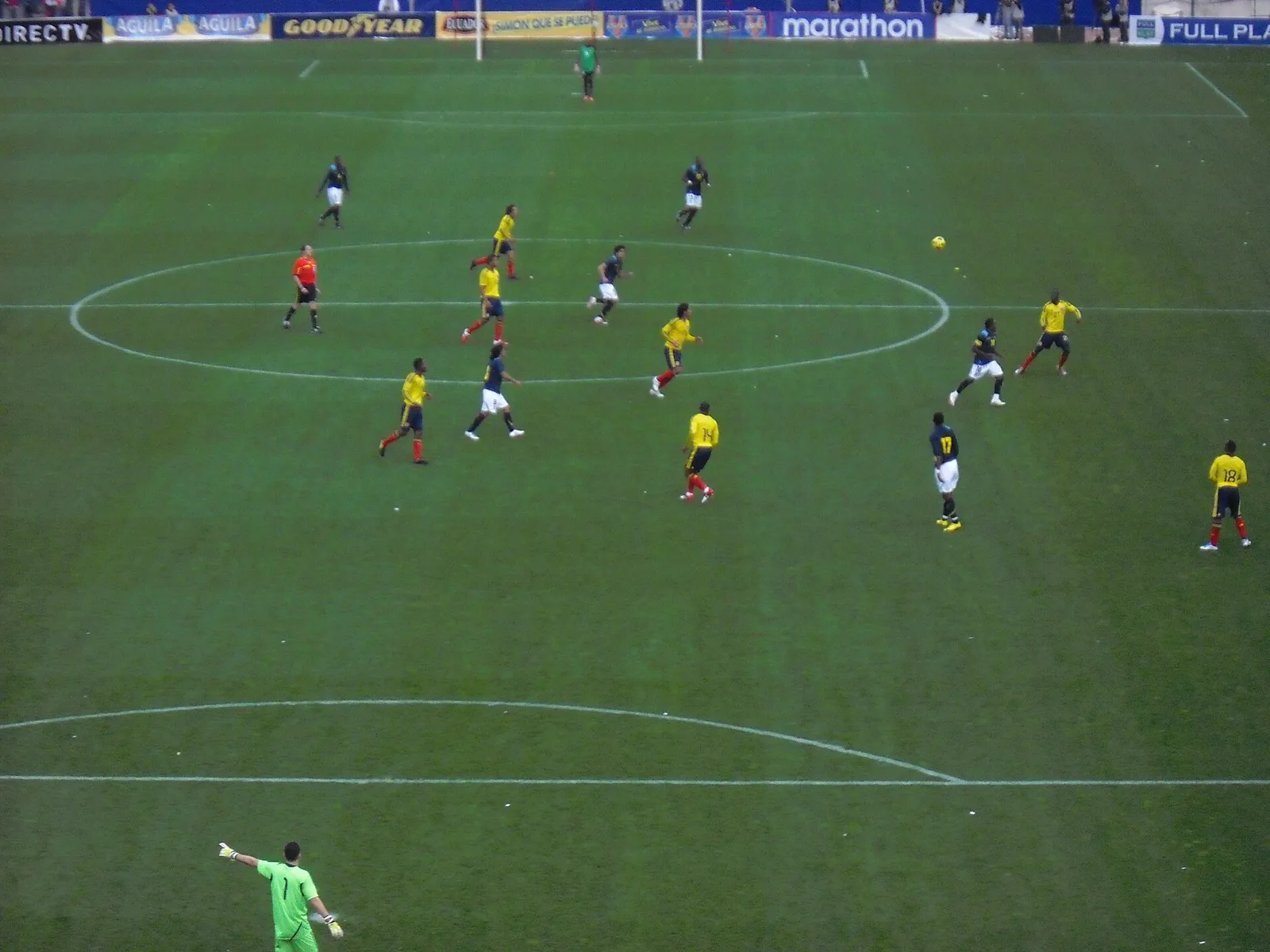
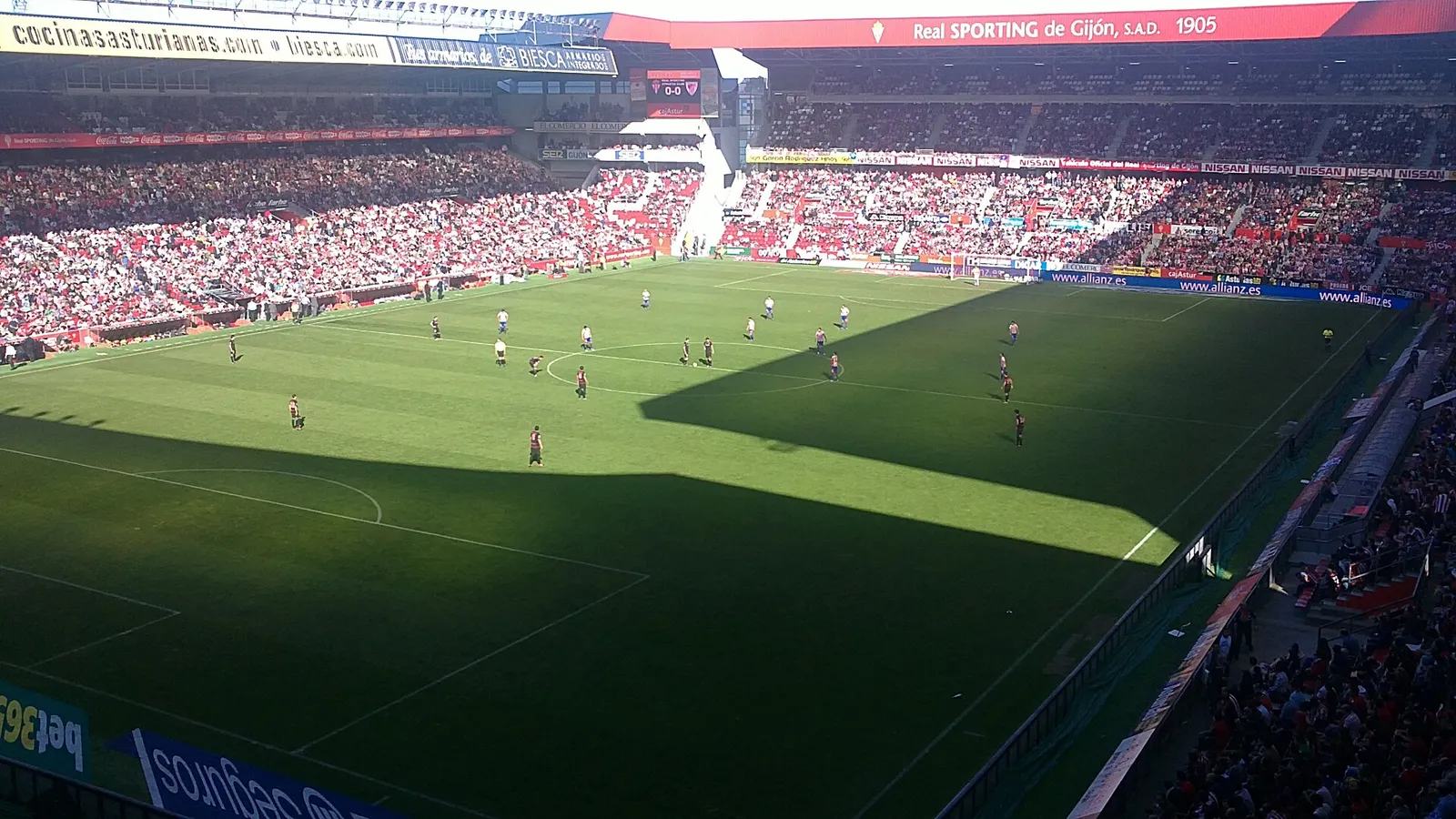
On June 25, 1982, at El Molinon stadium in the Spanish port city of Gijon, West Germany and Austria met on the final day of their group. West Germany scored early, through Horst Hrubesch in the 10th minute — and then the game effectively stopped, as the Wikipedia record of the match details. Players knocked the ball sideways and backward. Few challenges were made. The result, 1-0 to West Germany, was exactly what both European sides needed to advance — and it eliminated Algeria.
The crowd understood immediately. Spanish spectators jeered and chanted "Que se besen" — "let them kiss" — while Algerian fans, who had watched their team's tournament end from the stands, waved banknotes at the players in disgust. The episode was quickly dubbed the "Disgrace of Gijon."
The arithmetic of the con
The outrage was sharpened by what Algeria had achieved. Days earlier, on June 16, Algeria had stunned West Germany 2-1, one of the first times an African nation beat a major European side at a World Cup. By the final matchday, Algeria had completed its three group games, and West Germany and Austria — playing last, and knowing the math — held the outcome in their hands.
As the group standings show, a West Germany win by one or two goals would send both European teams through at Algeria's expense. A heavier West Germany win would have eliminated Austria instead; an Austria victory would have knocked out West Germany. The 1-0 scoreline sat squarely in the safe zone for both. After Hrubesch's goal, neither side had any reason to push — and neither did. Algeria finished level on points with both but was edged out on goal difference.
A rule rewritten
The fallout reshaped the tournament itself. Algeria protested to FIFA, to no avail in 1982. But starting with the 1986 World Cup, FIFA required the final two matches in every group to kick off simultaneously, a change ESPN traces directly to Gijon. It is now a standard feature of every major international tournament. Every time two final group games are shown side by side, that split screen is part of Algeria's legacy.
Why 2026 stirs it up
There is a wrinkle worth noting: the villains of 1982 were West Germany and Austria together, and it was West Germany — a state that ceased to exist as a separate entity after German reunification in 1990 — that actually scored. Austria was the willing partner, not the protagonist. Modern Austria's players were not born when it happened.
Yet football memory does not depend on lived experience; it runs on identity. For Algeria, which returned to the World Cup after a turbulent stretch for its national program, being drawn against Austria again revives a story its supporters have carried for more than four decades. The two are set to meet in the 2026 group stage, and the framing needs no embellishment.
When the match kicks off, the scoreboard will read 0-0 and the result will be undecided. But the history in the stands will be settled — and, for a generation of Algerian fans, deeply familiar.