Faced with shoppers who are counting every dollar, General Mills is making a bet that they will still pay for one thing: protein.
A hard year, a hopeful quarter
The company closed its fiscal 2026 with a mixed report. Fourth-quarter adjusted earnings of 95 cents a share on revenue of $4.61 billion came in ahead of Wall Street's expectations, according to its results. For the full year, though, net sales fell 5 percent to $18.4 billion, organic sales slipped 2 percent, and the company posted a net loss after taking about $1.8 billion in non-cash charges to write down the value of brands and goodwill, plus a roughly $1 billion hit tied to the sale of its Brazil business.
Investors looked past the charges. Shares of General Mills rose about 5 percent in premarket trading, Investing.com reported, lifted by signs that demand pressure was easing and by a sweeping plan to cut costs.
Protein, from the cereal bowl to the pet bowl
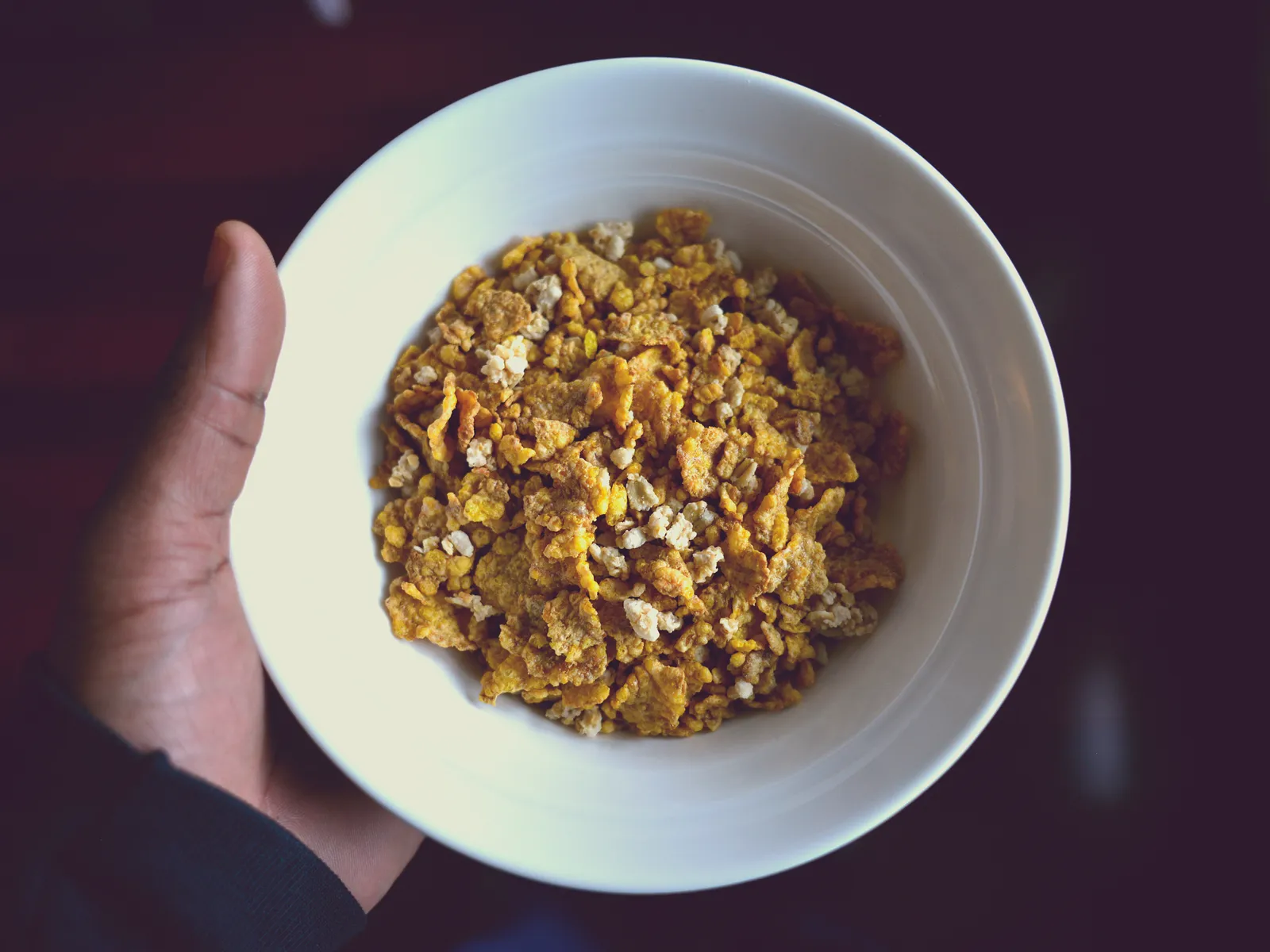
Management's growth strategy leans less on discounting and more on nutrition. The centerpiece is Cheerios Protein — sold in cinnamon and strawberry, with 8 grams of protein per serving — whose retail sales are approaching $100 million, the company said, with a Honey Nut version planned for next year. Nature Valley is adding higher-protein bars, Annie's has a protein-heavy mac-and-cheese that the company said grew retail sales more than 80 percent, and Old El Paso is rolling out taco shells with added protein.
The push extends into the pet aisle, where General Mills is reformulating parts of its Blue Buffalo line to emphasize protein. The thesis is the same across both: consumers trading down on discretionary purchases will still pay for a clear health benefit. "Rather than wait for a change in the environment, we've built plans to meet consumers where they are," Chief Operating Officer Dana McNabb said on the company's earnings call.
The emphasis rides a broader consumer shift toward protein, though General Mills executives did not attribute the strategy to the rise of GLP-1 weight-loss drugs — a connection often drawn in coverage of the food industry, but one the company itself did not make on its call.
The spending backdrop
The bet is being placed in a difficult market. Chief Executive Jeff Harmening said "cost of living and housing pressures are reshaping spending patterns" and that value has become "a core expectation," Food Dive reported. The company has cut prices on roughly two-thirds of its North American grocery products to defend sales volumes, squeezing margins in the process. Its largest segment, North America Retail, saw quarterly sales fall 4 percent — an improvement, the company noted, from a steeper drop a year earlier.
Cutting to grow
Alongside the product push, General Mills laid out a plan to reach $3 billion in cumulative cost savings by fiscal 2030, with at least $750 million targeted next year. It guided to roughly flat organic sales and adjusted earnings of $3.00 to $3.20 a share for the coming year, about in line with analyst forecasts. Quarterly gross margin improved, giving executives a data point to argue the efficiency drive is already taking hold.
Whether protein can carry enough of the load to restore steady growth is the open question. The write-downs are a reminder that the value of some of the company's brands has eroded. But in a market where shoppers scrutinize every purchase, offering more nutrition at a familiar price may be one of the more durable levers General Mills has left to pull.