


The planet's oceans are running hot again, and forecasters say the Pacific is about to add fuel to the fire.
Oceans at or near record heat
Sea-surface temperatures across much of the globe have climbed back to near-record levels this year. The European Union's Copernicus Climate Change Service reported that the ocean between 60°S and 60°N averaged 20.90°C in May 2026 — the second-warmest May on record, just shy of May 2024, according to its monthly bulletin. Copernicus noted record warmth for the month across a broad band "from the central equatorial Pacific to the western coast of Mexico," along with unusually hot conditions in the North Pacific, the western Atlantic, the Mediterranean and the Nordic seas.
The heat is not a surprise so much as an accumulation. More than 90 percent of the extra heat trapped by greenhouse gases over the past half-century has been absorbed by the oceans, NOAA notes — energy that is now surfacing.
A strong El Niño taking shape
On top of that baseline, the tropical Pacific is shifting into El Niño — a periodic natural warming that reorders weather worldwide. The World Meteorological Organization issued a "Prepare for El Niño" advisory, putting the odds of an event at about 80 percent for June through August and higher in the months after, and noting that subsurface Pacific waters were already running well above average, in its assessment. Most models, the WMO said, project a moderate-to-strong event. "Prepare for a potentially strong El Niño event," WMO Secretary-General Celeste Saulo urged governments.
What scientists expect
The WMO warns that El Niño tends to "exacerbate drought and heavy rainfall and increase the risk of heatwaves both on land and in the ocean." It typically brings wetter conditions to the southern United States and parts of South America and East Africa, and drier weather to Australia, Indonesia and southern Asia. This is settled science on the direction of the effects, even as the precise magnitude is a forecast, not a certainty.
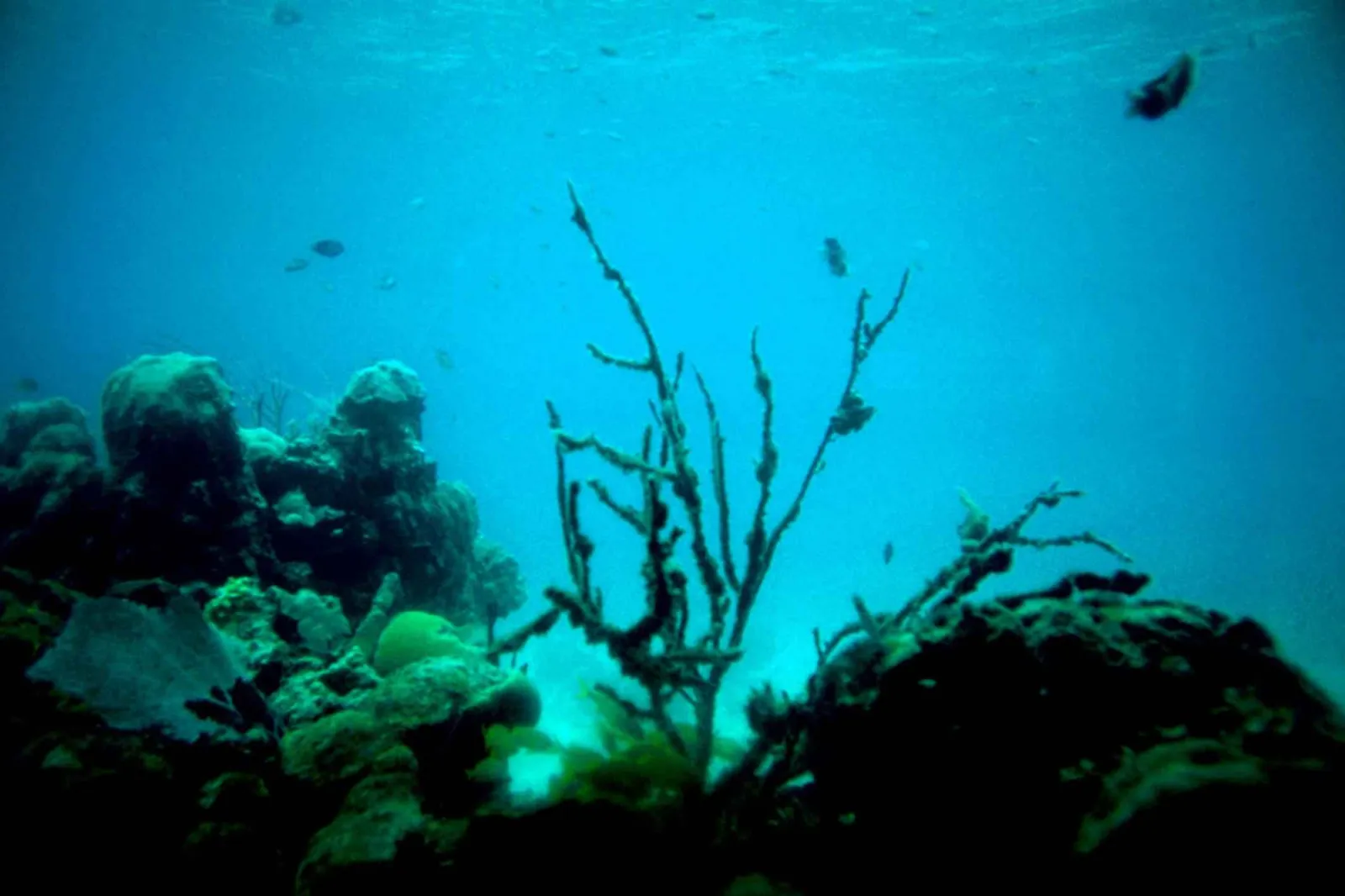
The toll on the oceans is already visible. NOAA's Coral Reef Watch reported that the world's fourth global mass coral-bleaching event — which ran from 2023 into 2025 and battered reefs across the planet — had likely ended, but only after the most severe marine heat on record forced the agency to add new, higher bleaching-alert levels.
The California angle
For California, the warming Pacific carries direct stakes. The WMO expects El Niño to push more rainfall toward the southern U.S., a pattern that in past events has steered atmospheric-river storms into the state. Copernicus also flagged the North Pacific — waters adjacent to the California Current — as significantly warmer than average in May.
That matters beyond the weather. Persistently warm water off the coast can suppress the upwelling of cold, nutrient-rich water that sustains California's fisheries. During the 2014–2016 marine heat wave known as "the Blob," fisheries were disrupted and harmful algal blooms spread; scientists have cautioned that an El Niño stacked on today's elevated baseline could rival or exceed that episode.
A system under strain
Globally, May 2026 ranked as the second-warmest May on record at about 1.42°C above pre-industrial levels, Copernicus said, with the 12-month average near 1.43°C — close to the 1.5°C mark scientists have long flagged as a threshold for cascading impacts. The WMO has projected that 2027 could set a new annual record, since El Niño's warming influence usually peaks six months to a year after it begins. For now, the measurements are unambiguous: the oceans are the hottest they have been recorded, and a new El Niño is on the way.