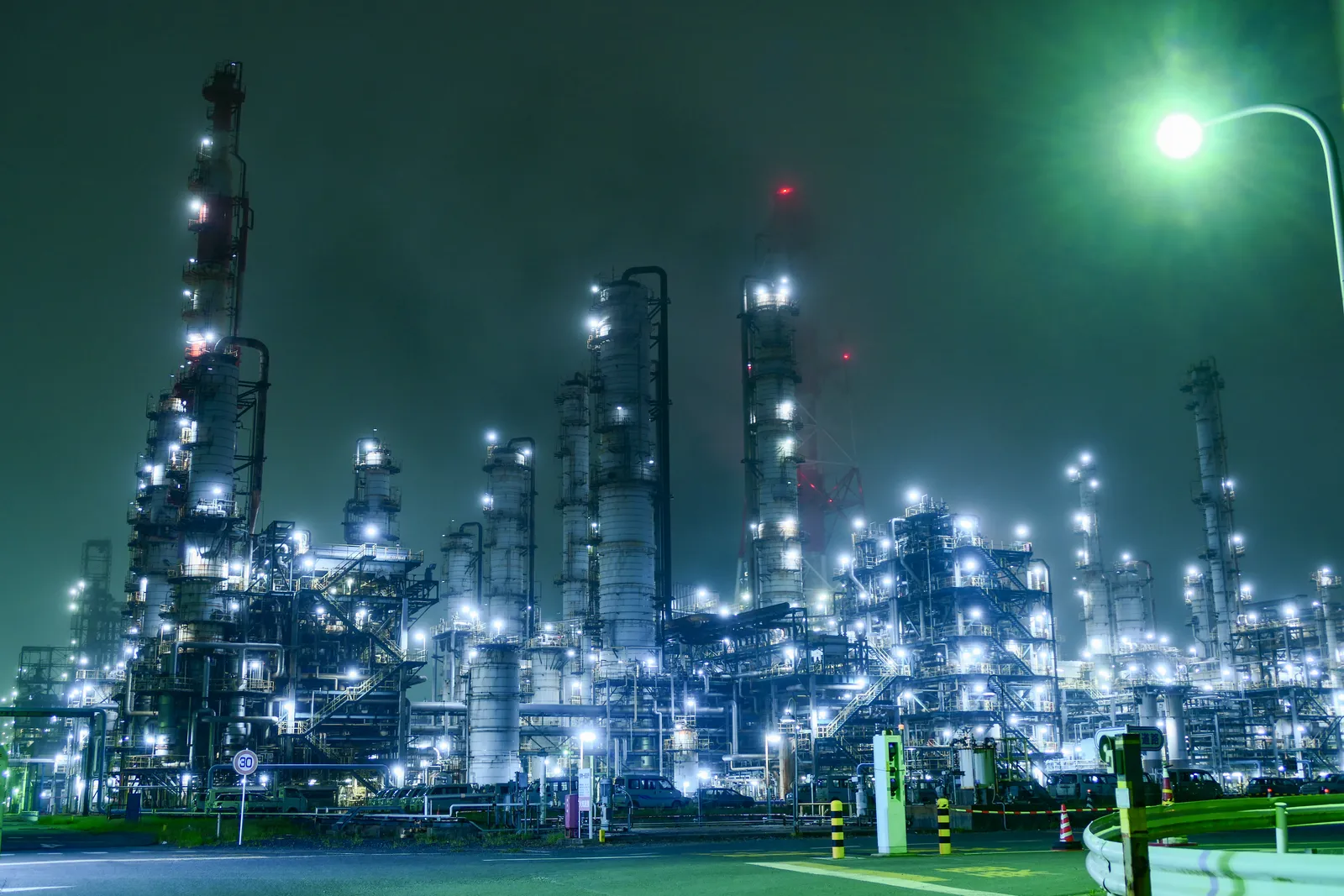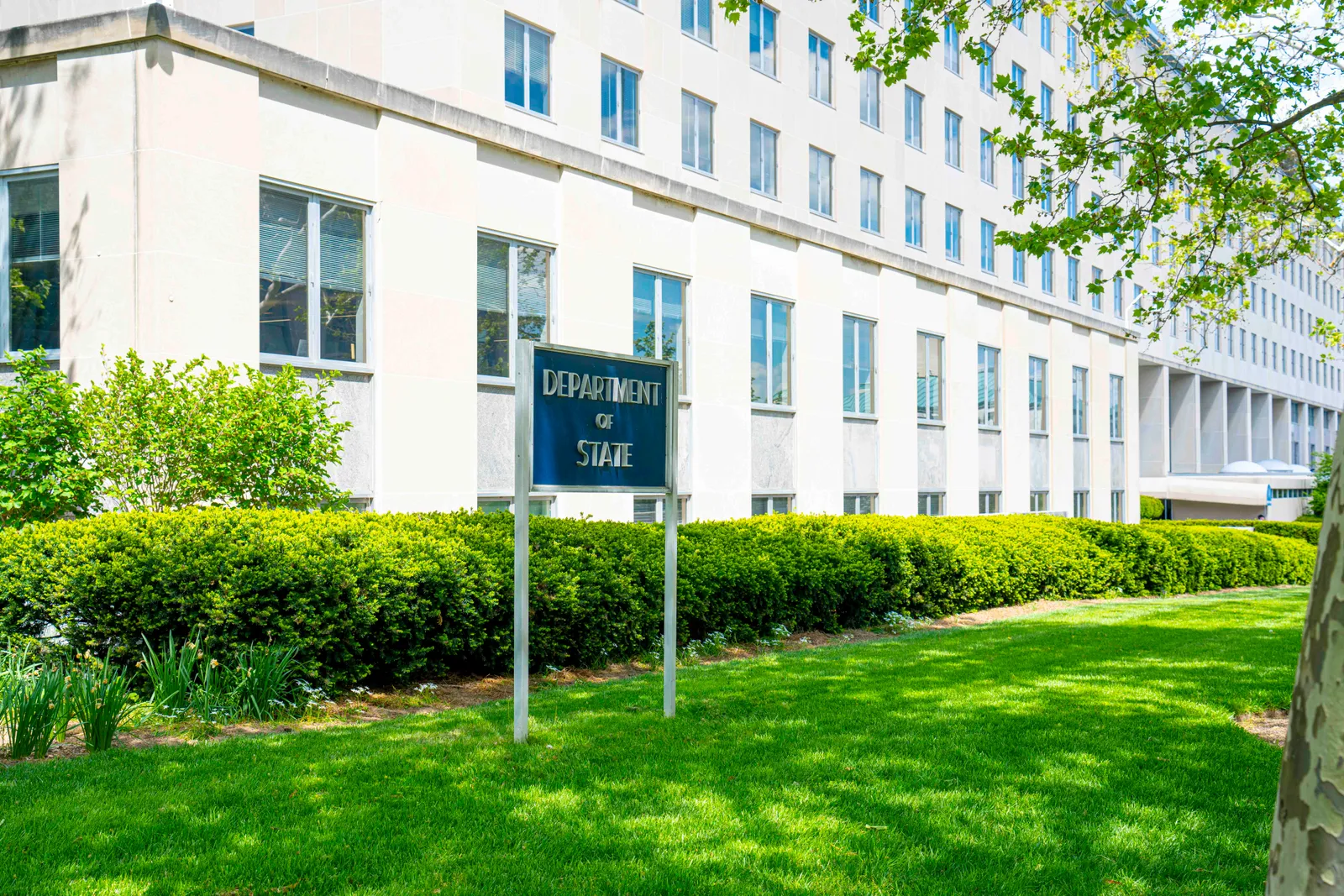


Nearly four years after explosions tore open the Nord Stream pipelines, Germany has brought its first charges in the case.
The charges
Federal prosecutors charged a 50-year-old Ukrainian man — identified in keeping with German privacy rules only as Serhii K. — with attacking civilian energy infrastructure, causing an explosion and destroying structures, Al Jazeera reported. He is charged, not convicted, and is presumed innocent unless a court finds otherwise.
What prosecutors allege
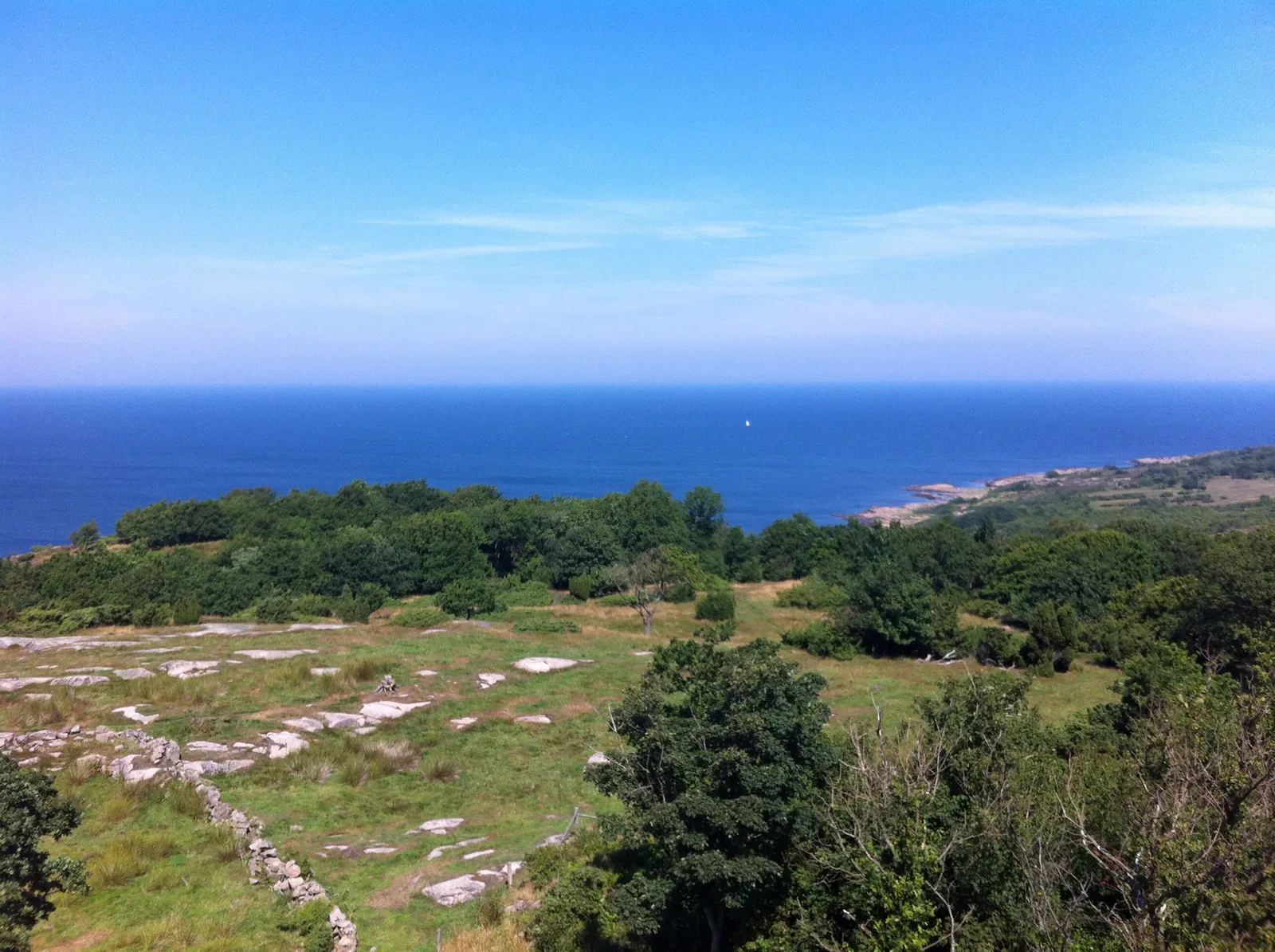
According to the prosecutors' account, the man was not a diver or explosives specialist but the on-board coordinator of the operation. The team is alleged to have set out from the German port of Rostock aboard a sailing yacht, the Andromeda — chartered, prosecutors say, using forged identity documents — before divers placed explosive charges on the Nord Stream 1 and Nord Stream 2 pipelines on the Baltic seabed near the Danish island of Bornholm. The blasts in late September 2022 were detected by seismologists across the region and disabled long stretches of both pipelines. The identities and whereabouts of other alleged participants have not been publicly confirmed.
Arrest, extradition and a defense
The suspect was arrested in Italy in August 2025 and extradited to Germany in November 2025, according to Al Jazeera, and has been held since. His lawyers deny his involvement and argue that he was a serving member of Ukraine's armed forces at the time, a status they contend would grant him a form of immunity under international law — an argument that has not been tested in court. No trial date has been announced.
Kyiv's position
Ukraine's government has consistently denied orchestrating the sabotage. Asked about the charges, President Volodymyr Zelensky said his government had not yet formally received the indictment details and that it was "too early to say," Al Jazeera reported. The charges against one individual do not, in themselves, establish direction by the Ukrainian state, and prosecutors' broader conclusions on that question were not detailed in the available account.
Background
The Nord Stream pipelines were built to carry Russian natural gas beneath the Baltic to Germany. Nord Stream 1 had operated for about a decade; Nord Stream 2 was finished in 2021 but never received German approval to begin commercial deliveries, and Berlin halted its certification after Russia's February 2022 invasion of Ukraine. The September 2022 explosions came amid sweeping Western sanctions on Moscow and set off criminal inquiries in Germany, Sweden and Denmark; the Swedish and Danish investigations were later discontinued, leaving Germany's the most active. Russia blamed Western governments for the sabotage, which they denied, and competing theories circulated for years without a conclusive public finding — making this week's charge the most concrete step yet toward accountability, even as major questions remain for the courts to resolve.