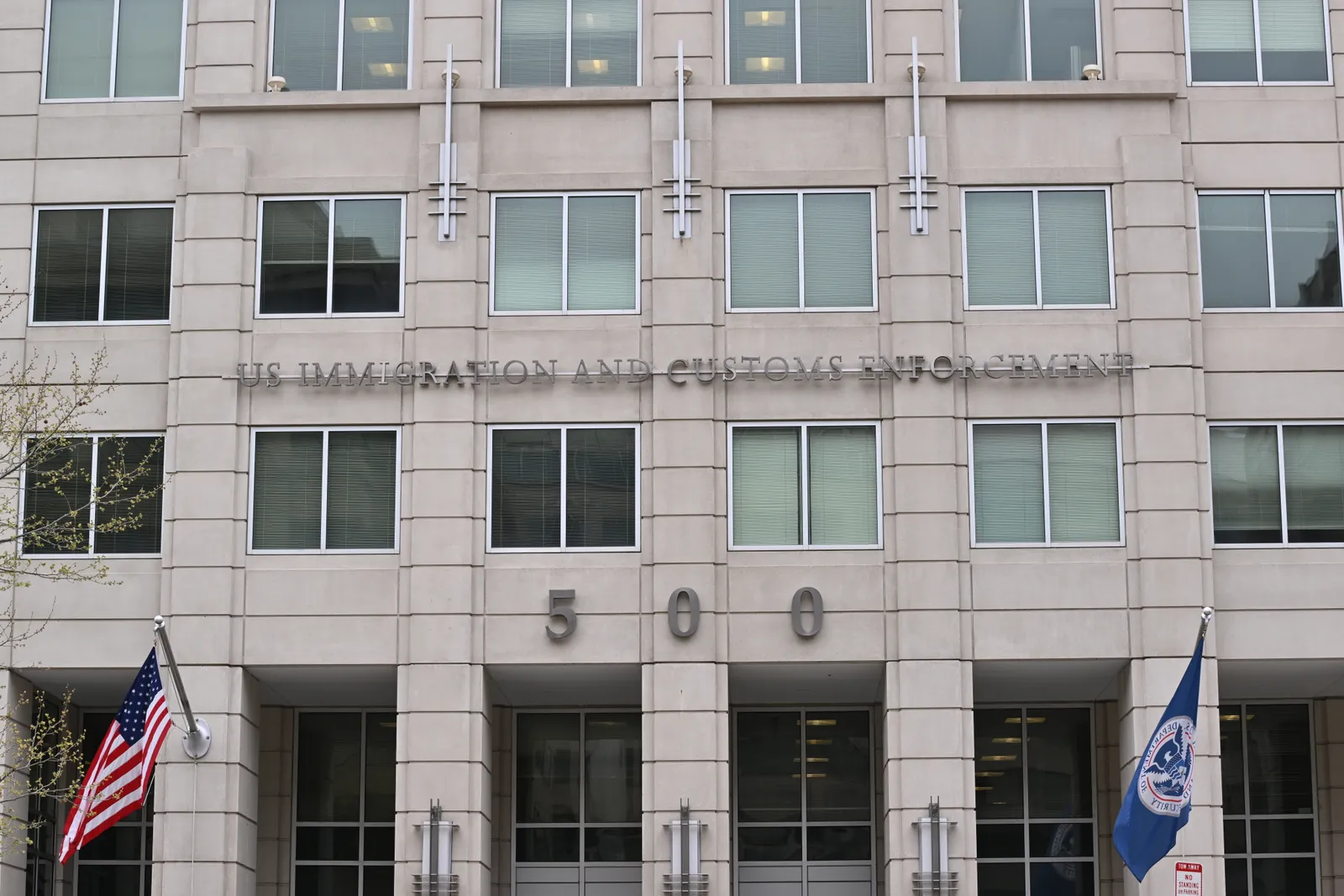


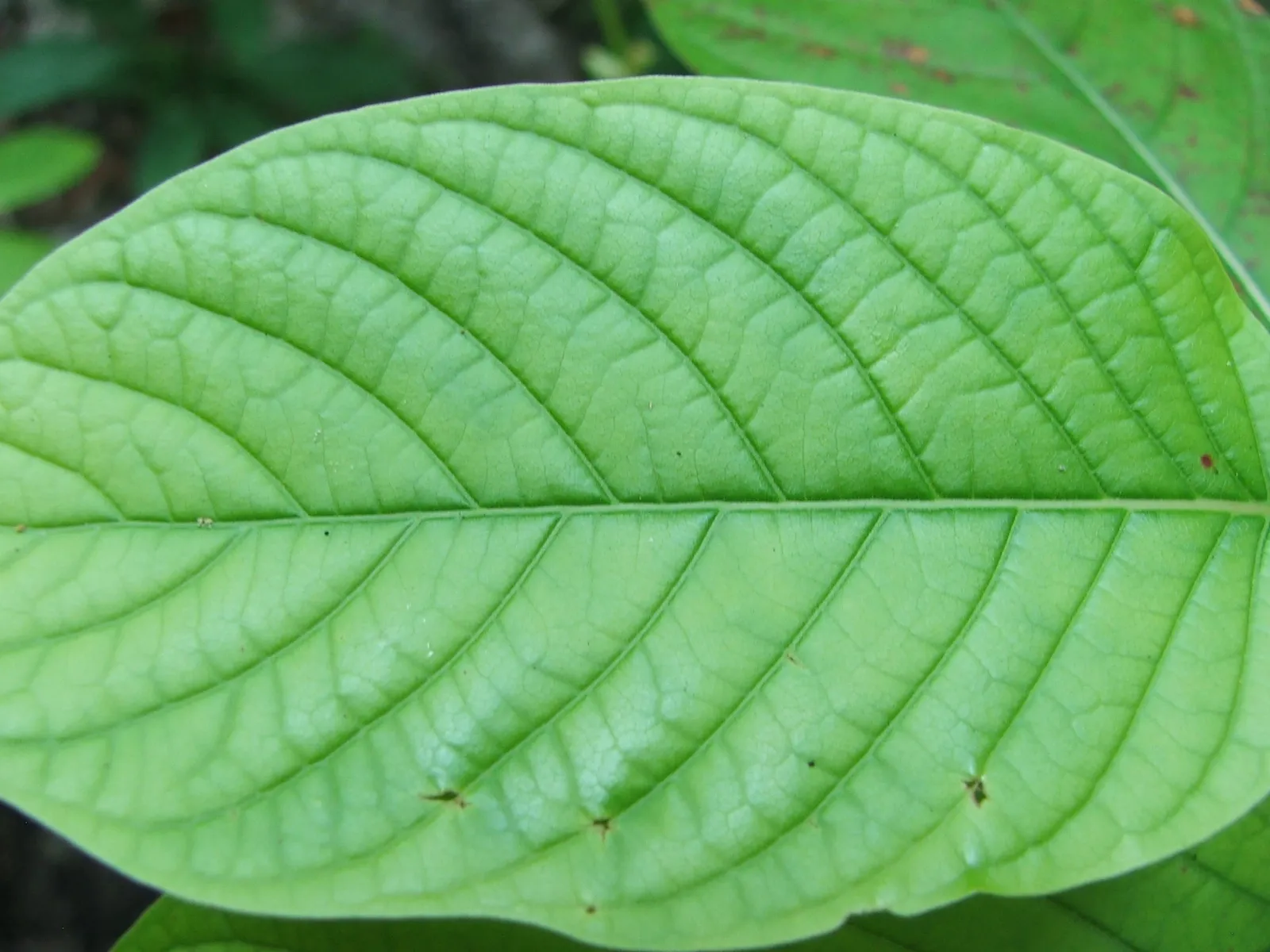
The Drug Enforcement Administration moved Tuesday to temporarily ban 7-hydroxymitragynine — the concentrated opioid-like compound extracted or synthesized from the kratom plant — along with three chemically related substances, drawing a sharp line between the engineered products spreading through convenience stores and the natural kratom leaf.
The action
The DEA said it filed notices of intent on July 1 to temporarily place 7-OH, above a specified concentration threshold, into Schedule I of the Controlled Substances Act, along with three synthetic derivatives. Schedule I — the same category as heroin — reflects an official finding of no accepted medical use and a high potential for abuse. The agency described the move as targeting "highly concentrated, synthetic 7-OH products."
The step follows a recommendation from the Department of Health and Human Services and the Food and Drug Administration that the DEA act against concentrated 7-OH. The temporary scheduling mechanism lets the agency act quickly, ahead of a full rulemaking, which is followed by a public comment period before any order takes effect.
What 7-OH is — and how it differs from the leaf
Kratom, from the Southeast Asian tree Mitragyna speciosa, has been used for generations as a stimulant and folk pain remedy, and in recent years has drawn a following among Americans managing chronic pain or easing opioid withdrawal. The raw leaf contains only trace amounts of 7-OH. But manufacturers began isolating and concentrating the compound — or synthesizing derivatives in the lab — to produce gummies, tablets, shots and nasal sprays that can deliver effects comparable to prescription opioids.
The DEA's action specifically exempts botanical kratom products whose 7-OH content falls below the threshold. That distinction is not incidental. The American Kratom Association, the industry's main trade group, endorsed the move, arguing that "chemically manipulated 7-OH opioid products are not kratom" and that some manufacturers had traded on kratom's reputation to sell far more potent products.
The health stakes
Addiction specialists and public-health advocates have warned about 7-OH's potency and the lack of federal oversight. The FDA issued warning letters in 2025 to companies marketing the compound as a dietary supplement or pain treatment — categories it does not qualify for — and federal agents seized quantities of 7-OH products under adulteration authority. Concentrated 7-OH has been linked to opioid-like dependence and withdrawal.
The conflict-of-interest question
The line the administration has drawn — restricting engineered 7-OH while sparing the natural leaf — arrives against a backdrop of financial ties between kratom-industry figures and senior officials, as detailed in a June investigation by The Philadelphia Inquirer.
According to the Inquirer, senior officials have faced scrutiny over industry connections; the paper reported that a cabinet official disclosed a large investment in a company that sells natural kratom, and that a political committee tied to Health Secretary Robert F. Kennedy Jr. received a substantial donation from the same firm. The officials' departments told the Inquirer they follow applicable ethics rules and focus on public health rather than industry interests. The Herald could not independently verify the specific dollar figures, which the Inquirer attributes to disclosure filings; they are reported here as that paper's findings, not as confirmed fact.
The picture is muddied further, the Inquirer noted, by President Trump's own remarks earlier this year suggesting the administration was looking at "getting approved" a form of 7-OH — comments that appeared to blur the line between the natural leaf and the concentrated products the DEA has now moved against.
What comes next
The notices trigger a public comment period before any temporary order takes effect, after which retailers would be expected to pull affected products. The broader question of whether natural kratom leaf should face federal regulation remains open: the American Kratom Association has long pressed for a federal consumer-protection law setting age limits, contaminant testing and labeling standards, but no such bill has advanced in Congress.