

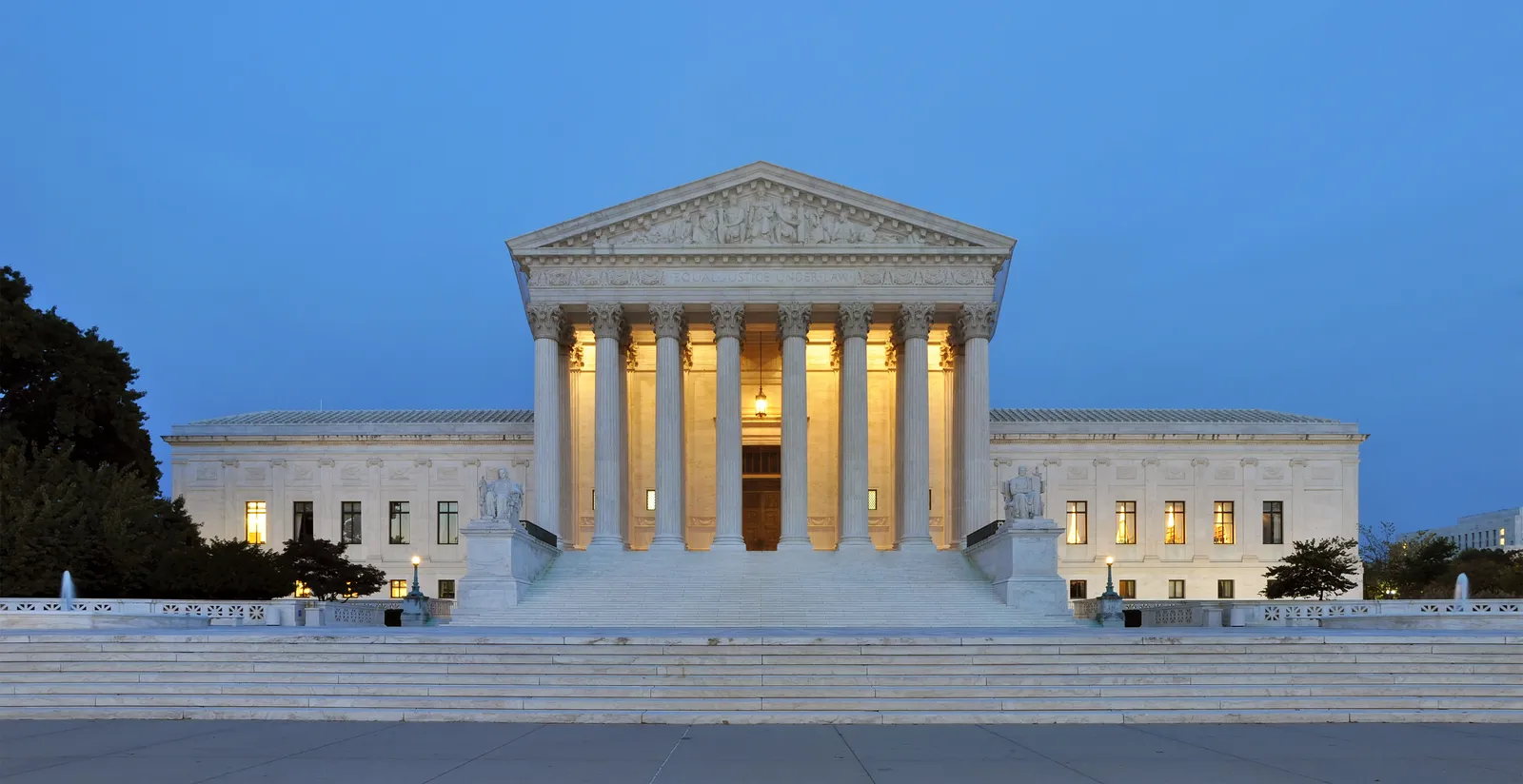
The Supreme Court will weigh how aggressively states may clean their voter rolls in the weeks before an election, taking up a case that could narrow one of the most important guardrails in federal election law.
The rule at issue
Under the National Voter Registration Act of 1993, states must stop any systematic, program-based removal of voters from the rolls 90 days before a federal election — a window often called the "quiet period." The idea, backers say, is to leave enough time for anyone wrongly flagged to fix the error before Election Day. The rule does not freeze the rolls entirely: officials can still remove individual voters who die, move, ask to be taken off, or lose eligibility, for example through a felony conviction.
What the Court agreed to hear
The justices agreed on June 29 to hear Republican National Committee v. Mi Familia Vota, according to SCOTUSblog, with argument expected in the term beginning in October and a decision likely by mid-2027. The case grows out of two Arizona laws passed in 2022 — one requiring documentary proof of citizenship to register using the state form, the other directing county officials to cancel registrations of people identified as noncitizens. Lower courts, including the Ninth Circuit, blocked key parts of those laws.
The argument for narrowing the rule
The Republican National Committee argues that the quiet period was never meant to shield noncitizens, the Washington Examiner reported. In its reading, the federal law restricts systematic removal of eligible voters, and states should be free to strike noncitizens — who are barred from voting in federal elections in all 50 states — from the rolls at any time, as a matter of list accuracy and election integrity. Officials in Arizona have described their efforts as individualized cancellations rather than the kind of blanket program the law addresses.
The argument for keeping it
Voting-rights groups and Democratic Party organizations counter that carving out a noncitizen exception would gut the quiet period in practice. Their central worry is error: large-scale checks — often database matches — can wrongly flag eligible citizens, and doing so close to an election leaves little time to set the record straight. The voting-rights litigation group Democracy Docket, which opposes the Arizona laws, notes that the Ninth Circuit described them as measures of voter suppression; supporters of the laws reject that characterization. Critics also argue naturalized citizens and voters with common names are especially likely to be caught up by mistake.
Why it matters
The dispute turns on a granular question of statutory interpretation, but the stakes are broad: the ruling could determine how states manage their rolls in the final, high-turnout weeks of an election. The U.S. Justice Department and the Democratic National Committee had urged the Court not to take the case; other states and Republican officials backed Arizona. With argument months away, both sides agree on little except that the outcome could meaningfully change the rules of the road heading into future elections.