


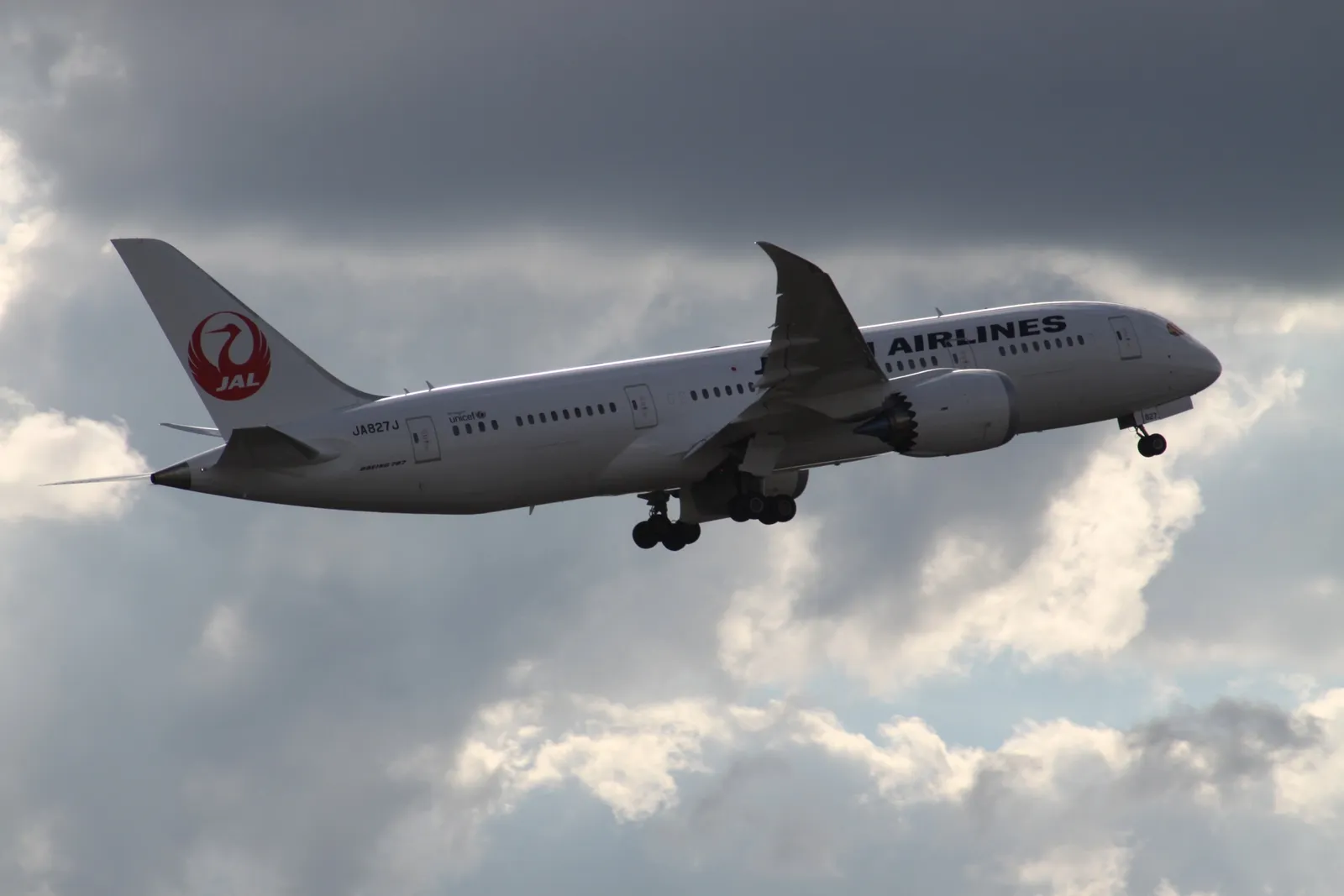
If a trip to Japan is on your summer list, check the fine print on the fare: the fuel surcharge alone can run to about $400 each way — near the highest levels the country's airlines have ever charged — even though the price of jet fuel has been falling.
What's changing
Japan Airlines and All Nippon Airways set fuel surcharges on international tickets according to schedules they publish and update regularly, as detailed on ANA's and Japan Airlines' own surcharge pages. For summer travel, the surcharge on flights between Japan and North America sits around ¥65,000 (roughly $400) each way — a level the trade outlet Travel Voice reported followed steep increases the carriers announced earlier in the year on U.S. and European routes. Because the charge is added per direction, a round trip carries it twice.
Why it's rising when fuel is falling
The counterintuitive part is that global jet-fuel prices have eased in recent months, yet the surcharge stayed high. Two things explain the gap.
First, timing. Japanese carriers calculate their surcharges off an average fuel price from an earlier window — a lag of several weeks — so the charge you pay this summer reflects fuel costs from the spring, when prices were higher. When fuel falls, in other words, the savings reach passengers only after a delay; the airlines revise the figure on a set schedule rather than in real time.
Second, the yen. Oil is priced in U.S. dollars, and the yen has been trading near multi-decade lows against the dollar. That means each barrel of fuel costs a Japanese airline far more in yen than the dollar price alone suggests, keeping surcharges elevated even as the dollar price of fuel comes down. The carriers cite both fuel costs and the currency in explaining the charges.
What it means for Southern California travelers
Los Angeles is one of the busiest U.S. gateways to Japan, so the surcharges land squarely on Angelenos planning summer trips. Other airlines flying the route add fuel surcharges of their own, though the amounts and formulas vary by carrier. The practical upshot: when comparing fares to Tokyo, look at the all-in price, not just the base fare, because the surcharge can add hundreds of dollars per traveler that a headline fare may not make obvious.
The outlook
There is some relief on the horizon. Because the surcharges are revised on a fixed cycle, later-summer and autumn bookings should begin to reflect the cheaper fuel of recent months — provided prices stay down and the yen doesn't weaken further. For now, though, travelers booking in the peak season are paying for the market as it looked in the spring. The specific yen figures cited here come from the airlines' published surcharge schedules and travel-industry reporting; exact amounts depend on route and booking date, so confirm the current surcharge when you buy.