

Apple is exploring a supply-chain shift that would have been hard to imagine a few years ago: buying memory chips from Chinese manufacturers that Washington has flagged over national-security concerns. The company is in talks with the Chinese chipmakers CXMT and YMTC, according to reports, and has not confirmed any deal.
Why now: a memory squeeze
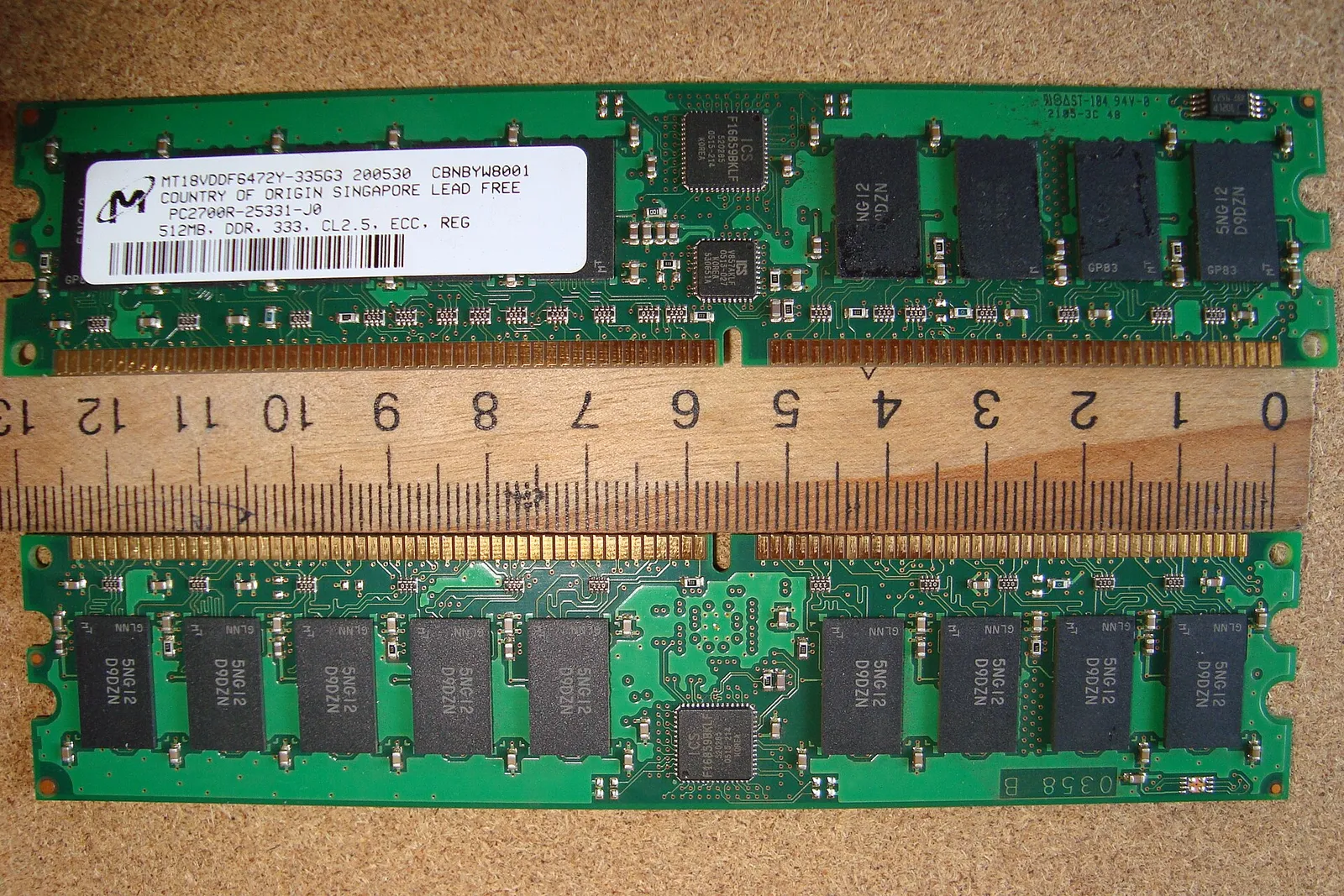
The driver is a global shortage of the memory chips that go into phones, laptops and other devices. Reports attribute it to the artificial-intelligence boom: the big memory makers — Samsung, SK Hynix and Micron — have shifted production toward the high-bandwidth memory that AI data centers crave, tightening supply of the standard chips consumer electronics rely on and pushing prices sharply higher, CNBC reported. Apple has already raised prices on some products to offset higher component costs, Bloomberg reported.
Against that backdrop, Apple is said to be looking to CXMT for DRAM and YMTC for flash memory — two of China's leading memory producers — to help secure supply, according to TechRadar and other outlets.
The political catch
The complication is that both companies appear on a U.S. Defense Department list of firms it associates with China's military — a designation that does not itself ban commercial deals but carries reputational and political weight. Apple has been here before: in 2022 it explored using YMTC flash memory in iPhones sold in China but shelved the plan amid tightened U.S. export controls and objections from lawmakers, Bloomberg noted. Any new arrangement would likely draw similar scrutiny in Washington, where officials remain wary of deepening reliance on Chinese chipmakers.
The bigger picture
The talks come as Apple is also reported to be preparing a broader refresh of its iPhone line in the next couple of years, including its long-rumored first foldable model — though the timing of that device has been reported variously as 2026 or 2027, and Apple has not confirmed it. Whatever the product roadmap, the memory crunch underscores a wider reality for the electronics industry: the same AI demand reshaping data centers is now rippling into the price and availability of everyday devices, and it is pushing even a company as large as Apple toward suppliers it once kept at arm's length.